Title: Introduction to Anti-Human CAV1 Monoclonal Antibody (1A514)
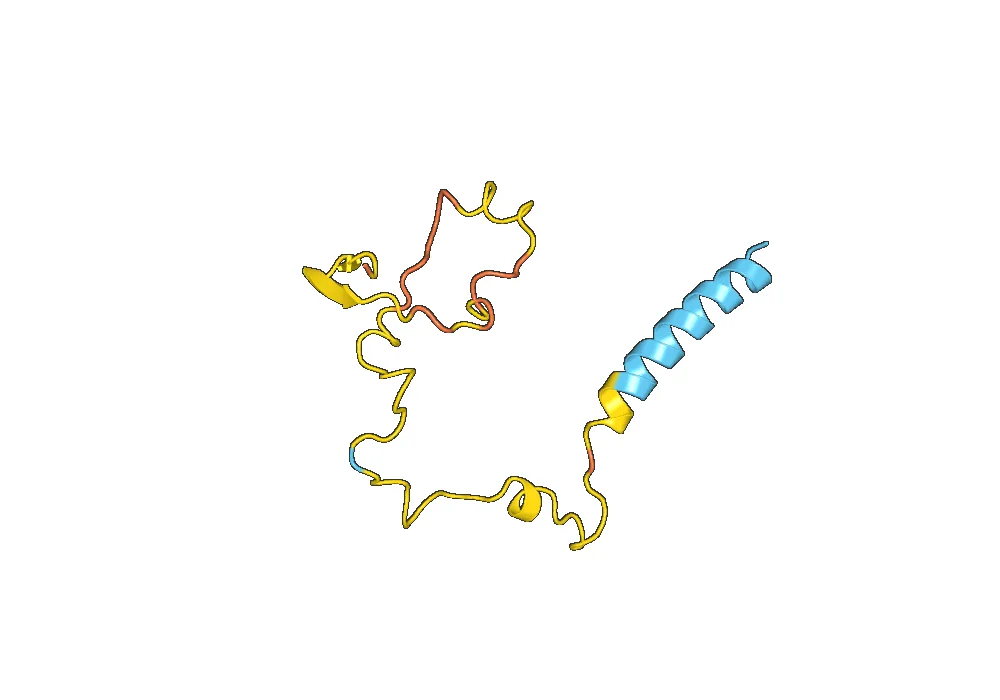
Anti-Human CAV1 Monoclonal Antibody (1A514) is a highly specific and potent antibody that targets the human CAV1 protein. CAV1, also known as caveolin-1, is a key structural protein found in the cell membrane and is involved in various cellular processes such as signal transduction, endocytosis, and lipid transport. This antibody has been extensively studied and has shown promising results in both research and clinical applications.
Structure of Anti-Human CAV1 Monoclonal Antibody (1A514)
Anti-Human CAV1 Monoclonal Antibody (1A514) is a monoclonal antibody, meaning it is produced by a single clone of immune cells and is highly specific to its target protein. It is composed of two heavy chains and two light chains, each containing variable and constant regions. The variable regions are responsible for binding to the target protein, while the constant regions provide stability and effector functions.
Activity of Anti-Human CAV1 Monoclonal Antibody (1A514)
The primary activity of Anti-Human CAV1 Monoclonal Antibody (1A514) is its ability to bind specifically to CAV1 protein. This binding can occur on the cell surface or within the cell, depending on the location of the target protein. Once bound, the antibody can modulate the activity of CAV1 through various mechanisms.
One of the main functions of CAV1 is its role in endocytosis, the process by which cells take in substances from the external environment. Anti-Human CAV1 Monoclonal Antibody (1A514) has been shown to inhibit endocytosis of CAV1, thus affecting the uptake of various molecules and signaling pathways within the cell.
Additionally, CAV1 is involved in the regulation of lipid transport and cholesterol homeostasis. Anti-Human CAV1 Monoclonal Antibody (1A514) has been shown to disrupt the interaction between CAV1 and cholesterol, leading to altered lipid metabolism and potential therapeutic implications.
Application of Anti-Human CAV1 Monoclonal Antibody (1A514)
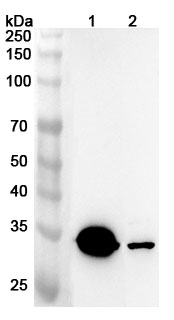
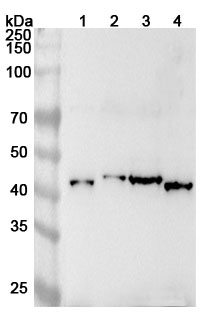
The unique structure and activity of Anti-Human CAV1 Monoclonal Antibody (1A514) make it a valuable tool in both research and clinical applications. In research, this antibody can be used to study the role of CAV1 in various cellular processes. It can also be used in immunoprecipitation and Western blotting techniques to detect and quantify CAV1 levels in different samples.
In clinical settings, Anti-Human CAV1 Monoclonal Antibody (1A514) has potential therapeutic applications. As mentioned, it can modulate the activity of CAV1, making it a potential treatment for diseases related to endocytosis and lipid metabolism, such as atherosclerosis and cancer. Additionally, the antibody can be used in diagnostic tests to detect CAV1 levels in patient samples, providing valuable information for disease diagnosis and management.
Conclusion
In summary, Anti-Human CAV1 Monoclonal Antibody (1A514) is a highly specific and potent antibody that targets the human CAV1 protein. Its unique structure and activity make it a valuable tool in research and potential therapeutic applications. Further studies on this antibody and its target protein will provide a better understanding of its role in various cellular processes and its potential as a therapeutic agent.


There are no reviews yet.