Introduction to Anti-Human CD1b Antibody (SAA2712)
Anti-Human CD1b Antibody (SAA2712) is a monoclonal antibody that specifically targets the CD1b protein, which is a member of the CD1 family of glycoproteins. CD1b is a non-polymorphic, non-classical major histocompatibility complex (MHC) class I-like molecule that is expressed on the surface of antigen-presenting cells (APCs) such as dendritic cells, macrophages, and B cells. This antibody has been extensively studied and has shown promising results in various research areas, making it a valuable tool for scientists.
Structure of Anti-Human CD1b Antibody (SAA2712)
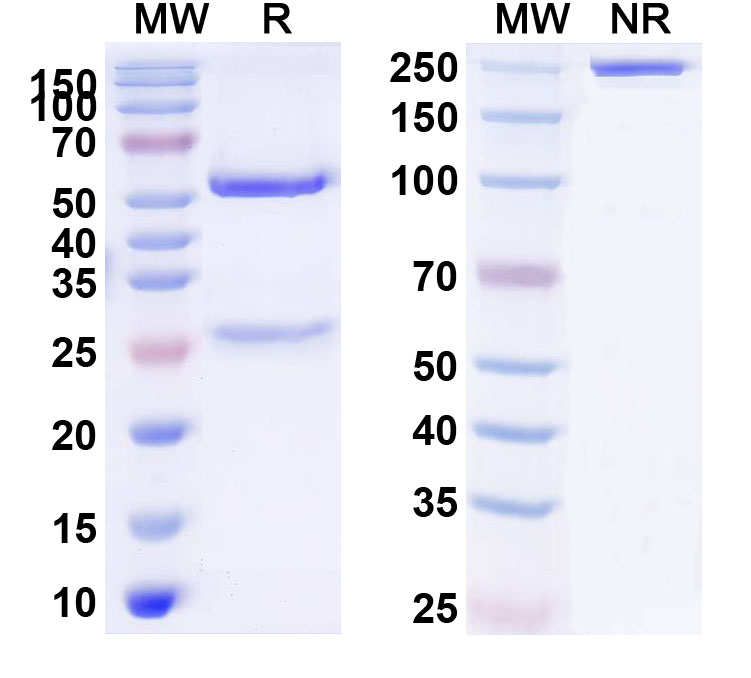
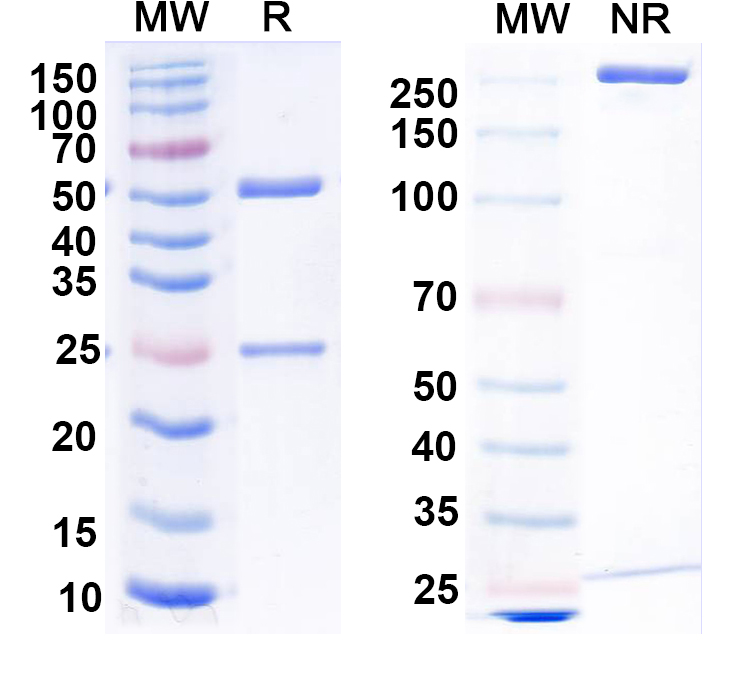
Anti-Human CD1b Antibody (SAA2712) is a mouse monoclonal antibody that binds specifically to the CD1b protein. The antibody has a molecular weight of approximately 150 kDa and is composed of two heavy chains and two light chains. The heavy chains are further divided into variable (VH) and constant (CH) regions, while the light chains consist of variable (VL) and constant (CL) regions. The variable regions are responsible for binding to the CD1b protein, while the constant regions determine the antibody’s effector functions.
Activity of Anti-Human CD1b Antibody (SAA2712)
Anti-Human CD1b Antibody (SAA2712) has been shown to have a high affinity and specificity for the CD1b protein. It binds to the CD1b protein on APCs and can effectively block the interaction between CD1b and its ligands. This antibody has also been shown to induce the activation of T cells and the production of cytokines, such as interferon-gamma (IFN-γ) and tumor necrosis factor-alpha (TNF-α), which are essential for immune responses.
Applications of Anti-Human CD1b Antibody (SAA2712)
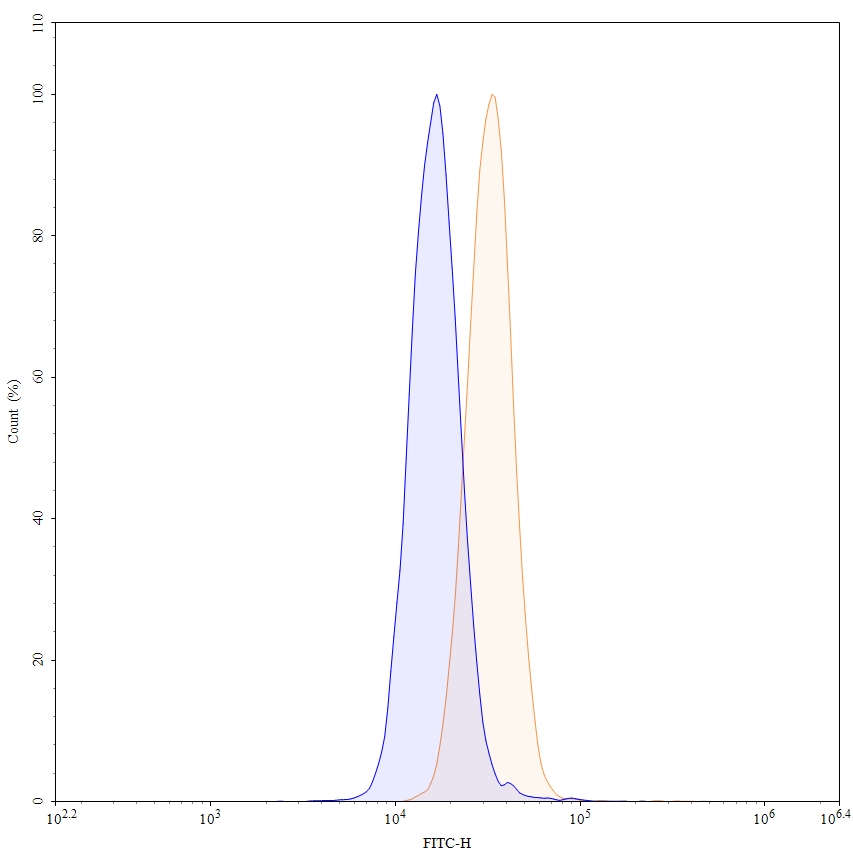
1. Research on CD1b function and expression: Anti-Human CD1b Antibody (SAA2712) has been widely used in research to study the function and expression of CD1b. It can be used in various techniques such as flow cytometry, immunofluorescence, and Western blotting to detect and quantify the levels of CD1b on different cell types. This antibody has also been used in studies to investigate the role of CD1b in various diseases, including autoimmune disorders and cancer.
2. Antigen presentation studies: CD1b plays a crucial role in antigen presentation to T cells, and Anti-Human CD1b Antibody (SAA2712) has been used to study this process. By blocking the interaction between CD1b and its ligands, this antibody can inhibit the presentation of specific antigens to T cells, allowing researchers to study the effects of CD1b on T cell activation and cytokine production.
3. Therapeutic applications: Due to its ability to activate T cells, Anti-Human CD1b Antibody (SAA2712) has potential therapeutic applications. It has been used in studies to develop novel immunotherapies for cancer and infectious diseases. This antibody has also been investigated as a potential treatment for autoimmune disorders, where it can modulate the immune response and reduce inflammation.
4. Diagnostic tool: CD1b is often overexpressed on the surface of tumor cells, making it a potential diagnostic marker for cancer. Anti-Human CD1b Antibody (SAA2712) has been used in studies to develop diagnostic tests for various types of cancer, including lung, breast, and colon cancer.
Conclusion
In summary, Anti-Human CD1b Antibody (SAA2712) is a valuable tool for researchers studying the CD1b protein. Its high specificity and affinity for CD1b make it an ideal antibody for various research applications, including studying CD1b function and expression, antigen presentation, and potential therapeutic and diagnostic applications. With its promising results in multiple areas of research, this antibody continues to be a valuable asset in advancing our understanding of the immune


There are no reviews yet.