Introduction
The Anti-Human CD3 Antibody (SP34) is a monoclonal antibody that specifically binds to the CD3 antigen found on the surface of T cells. This antibody has been extensively studied and has shown promising results in both research and therapeutic applications. In this article, we will discuss the structure, activity, and potential applications of this antibody.
Structure
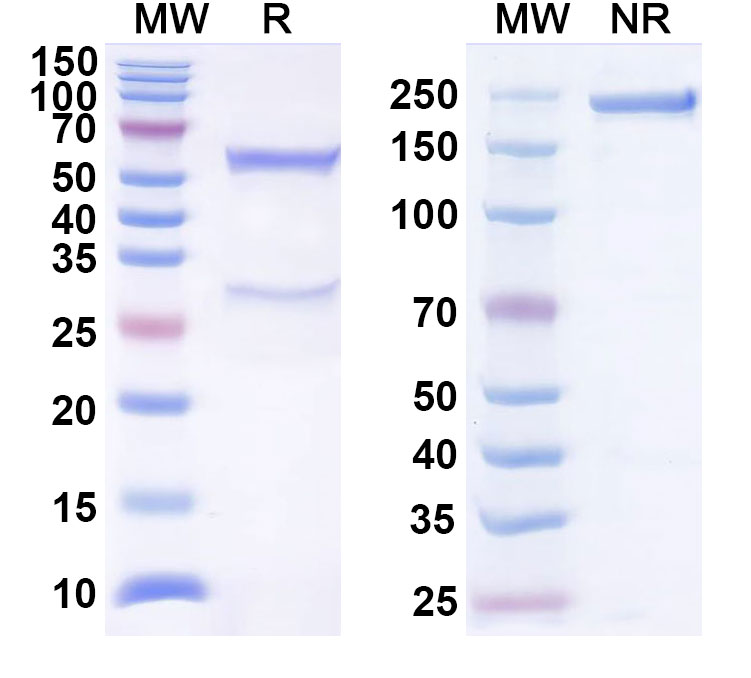
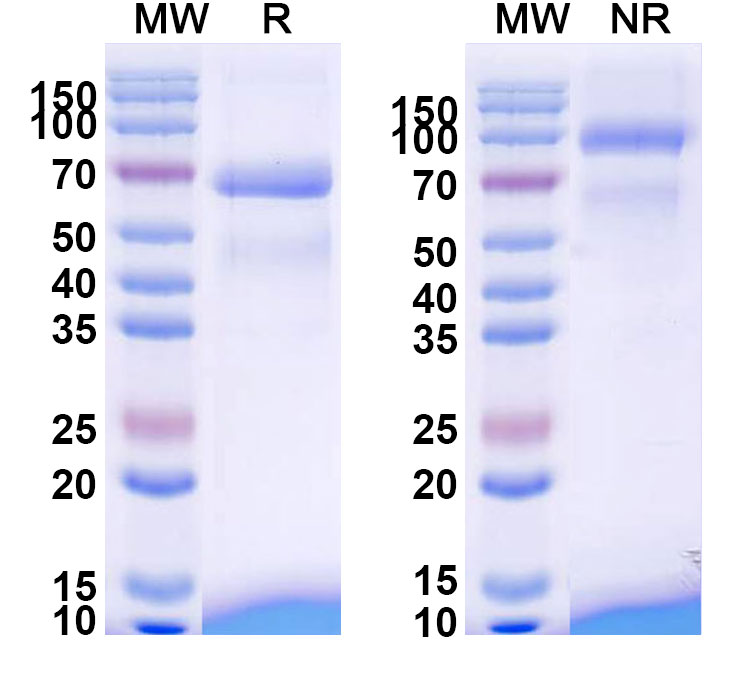
The Anti-Human CD3 Antibody (SP34) is a member of the immunoglobulin superfamily and is composed of two heavy chains and two light chains. The heavy chains consist of a constant region and a variable region, while the light chains only have a variable region. The variable regions are responsible for binding to the CD3 antigen on T cells.
The antibody is produced through hybridoma technology, where a mouse B cell is fused with a myeloma cell to create a hybrid cell line that can continuously produce the antibody. The resulting antibody is then purified and used for various applications.
Activity
The main function of the Anti-Human CD3 Antibody (SP34) is to bind to the CD3 antigen on T cells. This binding leads to the activation of T cells and the initiation of an immune response. The antibody can also induce the proliferation of T cells and the production of cytokines, which are important signaling molecules in the immune system.
Additionally, the Anti-Human CD3 Antibody (SP34) can also trigger the death of T cells through a process called antibody-dependent cell-mediated cytotoxicity (ADCC). This activity has been shown to be effective in eliminating cancer cells that express the CD3 antigen on their surface.
Therapeutic Target
The CD3 antigen is an important therapeutic target for a variety of diseases, including autoimmune disorders and cancer. The Anti-Human CD3 Antibody (SP34) has been studied as a potential treatment for these conditions due to its ability to modulate the immune response.
In autoimmune disorders, such as rheumatoid arthritis and multiple sclerosis, the immune system mistakenly attacks the body’s own tissues. The Anti-Human CD3 Antibody (SP34) can target and deactivate the T cells responsible for this attack, reducing inflammation and providing relief for patients.
In cancer, the Anti-Human CD3 Antibody (SP34) has shown promise in treating certain types of leukemia and lymphoma. By binding to the CD3 antigen on cancer cells, the antibody can activate T cells to attack and kill these cells, leading to tumor regression and improved patient outcomes.
Research Use
Aside from its therapeutic potential, the Anti-Human CD3 Antibody (SP34) is also widely used in research. It has been used in studies to better understand the role of T cells in various diseases and to develop new treatments and therapies.
The antibody is also commonly used in flow cytometry, a technique that allows for the identification and analysis of different cell types. By labeling T cells with the Anti-Human CD3 Antibody (SP34), researchers can accurately measure the number and activity of these cells in a sample.
Conclusion
The Anti-Human CD3 Antibody (SP34) is a powerful tool in both research and therapeutic settings. Its ability to specifically target and activate T cells makes it a valuable asset in the fight against autoimmune disorders and cancer. With ongoing research and development, this antibody holds great potential for improving human health.


There are no reviews yet.