Introduction
Otelixizumab biosimilar, also known as Anti-CD3E mAb, is a monoclonal antibody that specifically targets the CD3E subunit of the T-cell receptor complex. It is a research grade antibody that has shown promising results in preclinical studies and is being investigated for its potential therapeutic applications in various diseases.
Structure
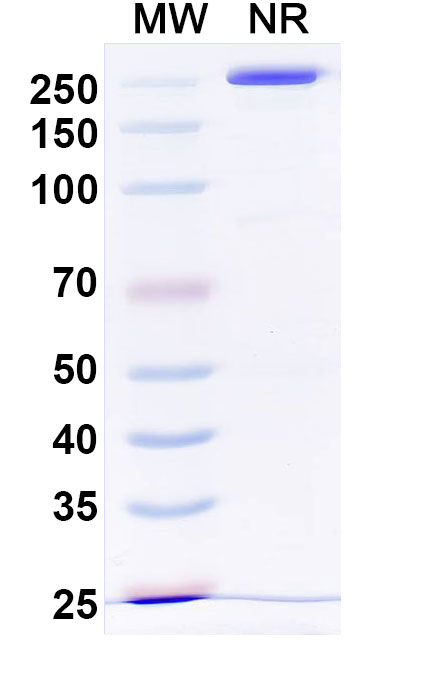
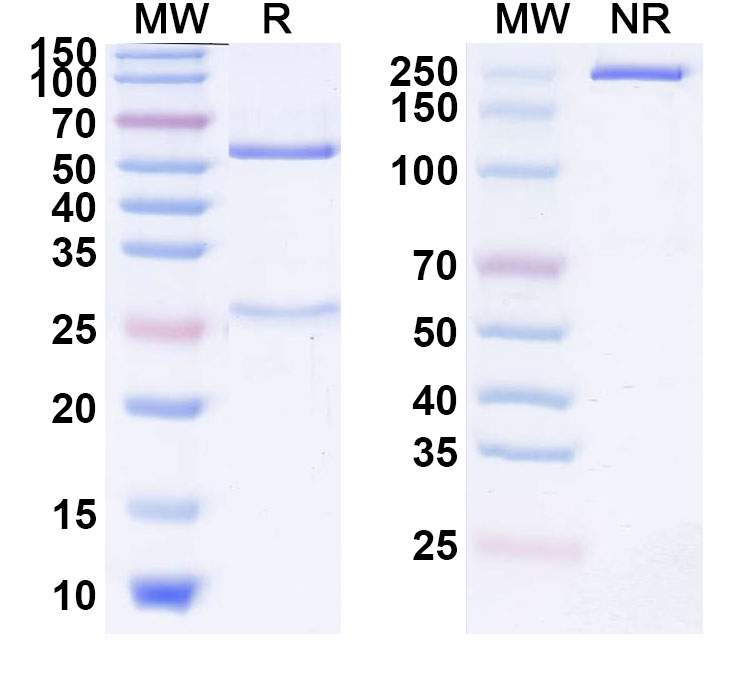
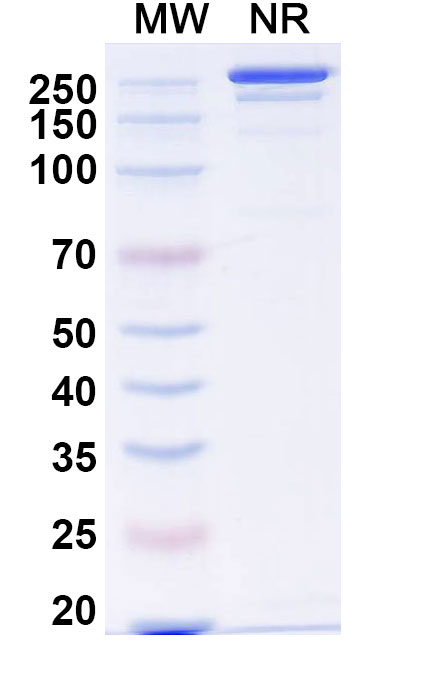
Otelixizumab biosimilar is a humanized IgG1 monoclonal antibody, meaning it contains both human and mouse components. It is composed of two heavy chains and two light chains, each with a variable region that binds to the CD3E subunit and a constant region that mediates effector functions. The antibody has a molecular weight of approximately 150 kDa and a half-life of 21 days.
Activity
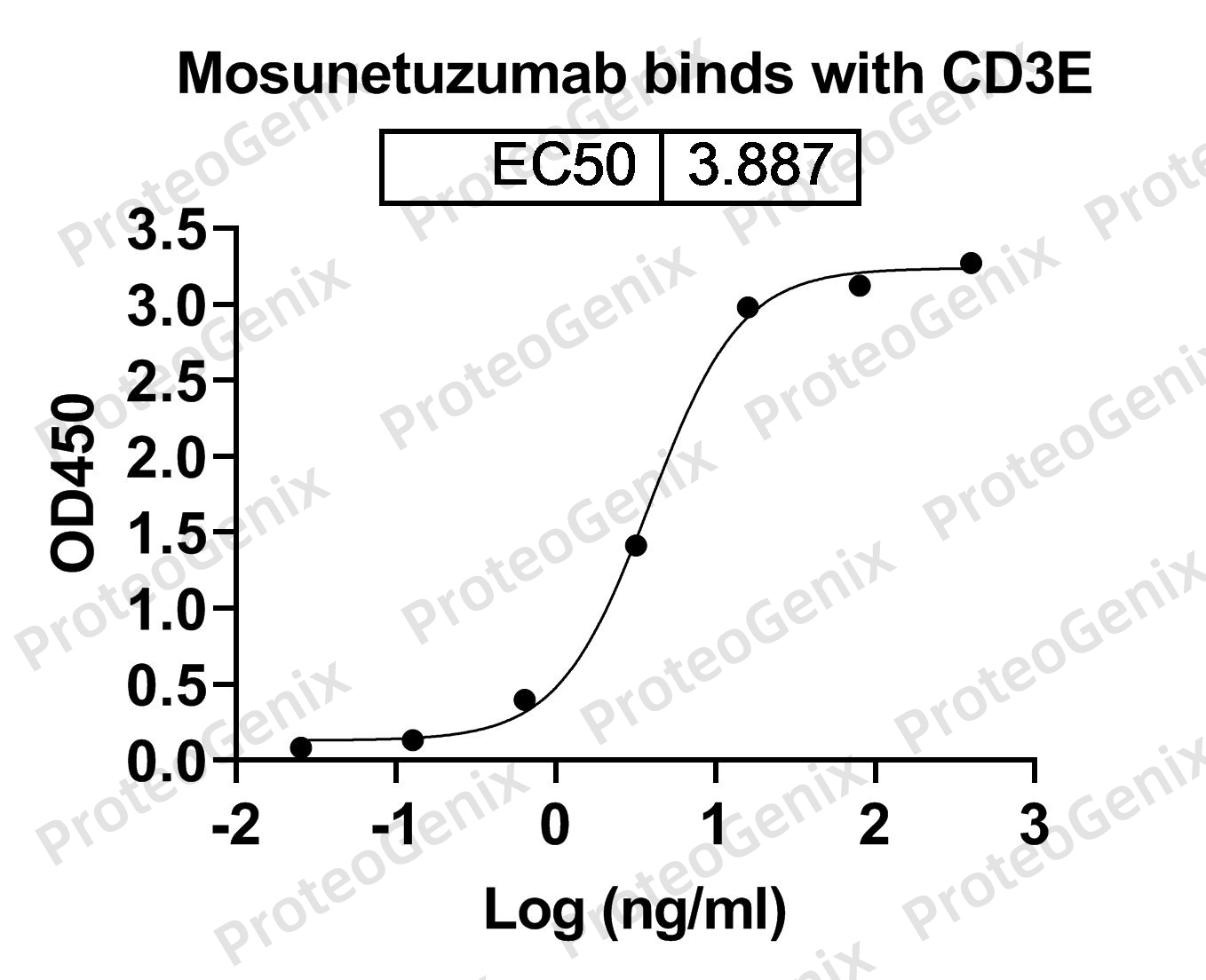
The main function of Otelixizumab biosimilar is to bind to the CD3E subunit on the surface of T-cells and modulate their activity. CD3E is a critical component of the T-cell receptor complex, and its binding by Otelixizumab biosimilar leads to the activation of T-cells and subsequent immune responses. This can include the production of cytokines, proliferation, and differentiation of T-cells.
Application
Otelixizumab biosimilar has shown potential in various diseases where T-cells play a crucial role in the pathogenesis. One of the most promising applications is in the treatment of autoimmune diseases such as type 1 diabetes, multiple sclerosis, and rheumatoid arthritis. In these diseases, T-cells mistakenly attack the body’s own tissues, leading to chronic inflammation and tissue damage. By targeting the CD3E subunit, Otelixizumab biosimilar can modulate the activity of T-cells and potentially reduce the severity of these diseases.
In addition to autoimmune diseases, Otelixizumab biosimilar is also being investigated for its potential in transplant rejection. When a transplanted organ is recognized as foreign by the recipient’s immune system, T-cells are activated and attack the organ, leading to rejection. By targeting the CD3E subunit, Otelixizumab biosimilar can potentially prevent or reduce the activation of T-cells and improve the success rate of organ transplantation.
Furthermore, Otelixizumab biosimilar has shown promise in the treatment of certain types of cancer. T-cells play a crucial role in the body’s immune response against cancer cells, and by targeting the CD3E subunit, Otelixizumab biosimilar can potentially enhance the activity of T-cells and improve their ability to kill cancer cells. This is particularly relevant in hematological malignancies such as leukemia and lymphoma, where T-cells are the main effector cells in immunotherapy.
Conclusion
In conclusion, Otelixizumab biosimilar is a research grade monoclonal antibody that specifically targets the CD3E subunit of the T-cell receptor complex. Its main function is to modulate the activity of T-cells, and it has shown potential in various diseases where T-cells play a crucial role. With ongoing research and clinical trials, Otelixizumab biosimilar has the potential to become a valuable therapeutic option in the treatment of autoimmune diseases, transplant rejection, and certain types of cancer.


There are no reviews yet.