Introduction
Visilizumab Biosimilar, also known as Anti-CD3E mAb, is a monoclonal antibody that targets the CD3E protein, a key component of the T-cell receptor complex. This biosimilar is a research grade version of the original Visilizumab, which was developed as a therapeutic antibody for the treatment of autoimmune diseases. In this article, we will explore the structure, activity, and potential applications of this biosimilar.
Structure of Visilizumab Biosimilar
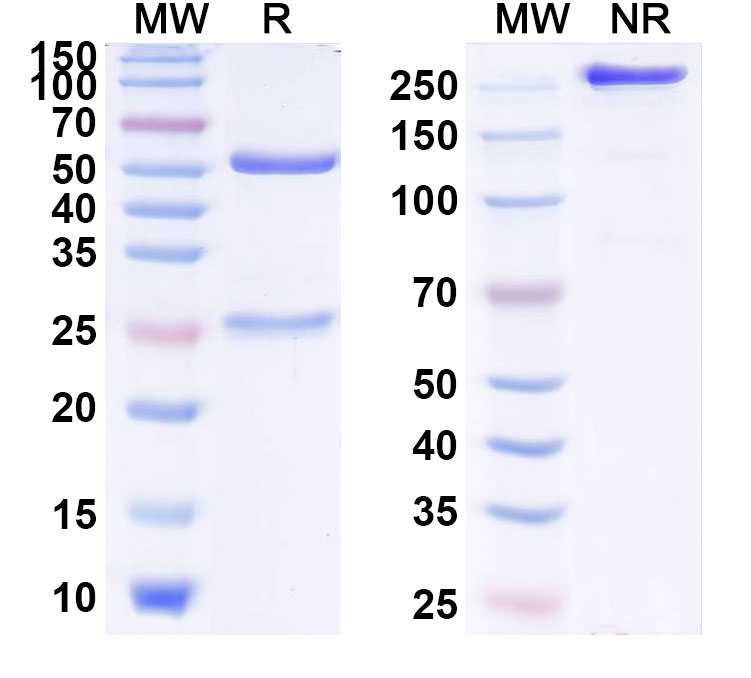
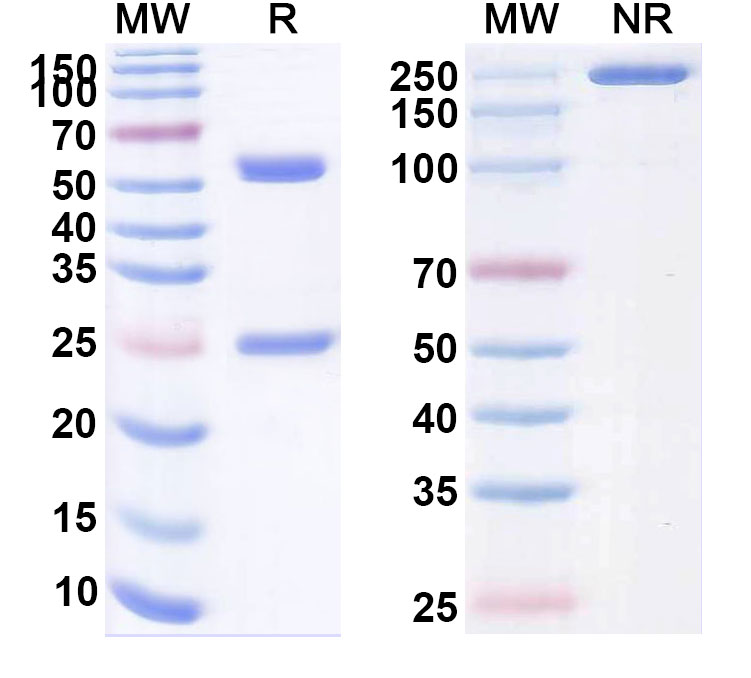
Visilizumab Biosimilar is a recombinant humanized monoclonal antibody, meaning it is produced in a laboratory using DNA technology and is modified to have a human-like structure. It is composed of two heavy chains and two light chains, each containing a variable region and a constant region. The variable region is responsible for binding to the CD3E protein, while the constant region determines the antibody’s effector functions.
The antibody has a molecular weight of approximately 150 kDa and is composed of 1,330 amino acids. It has a similar structure to the original Visilizumab, with a high degree of sequence homology. This ensures that the biosimilar has similar binding properties and potential therapeutic effects as the original antibody.
Activity of Visilizumab Biosimilar
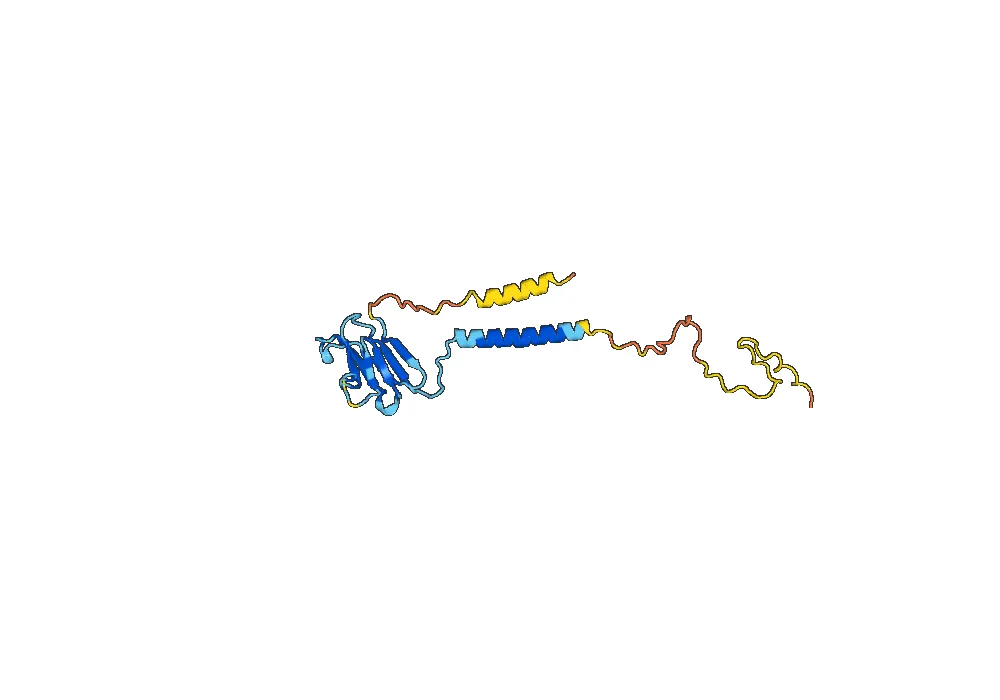
Visilizumab Biosimilar specifically targets the CD3E protein, which is found on the surface of T-cells. T-cells play a crucial role in the immune response, and the CD3E protein is essential for T-cells to function properly. By binding to the CD3E protein, Visilizumab Biosimilar can modulate the activity of T-cells and regulate the immune response.
One of the main mechanisms of action of Visilizumab Biosimilar is through the depletion of T-cells. By binding to the CD3E protein, the antibody triggers T-cell apoptosis, leading to a decrease in the total number of T-cells in the body. This can be beneficial in autoimmune diseases, where there is an overactive immune response, as it helps to reduce inflammation and tissue damage.
Additionally, Visilizumab Biosimilar can also modulate the activity of T-cells by blocking the interaction between the CD3E protein and other co-receptors, such as CD28. This interaction is crucial for T-cell activation and proliferation, and by inhibiting it, the antibody can further suppress the immune response.
Potential Applications of Visilizumab Biosimilar
Visilizumab Biosimilar has shown promising results in preclinical studies for the treatment of various autoimmune diseases, including type 1 diabetes, rheumatoid arthritis, and multiple sclerosis. It has also been investigated as a potential therapy for transplant rejection and graft-versus-host disease.
In addition to its potential therapeutic applications, Visilizumab Biosimilar can also be used as a research tool to study the role of T-cells in the immune response. Its ability to specifically target the CD3E protein makes it a valuable tool for studying T-cell function and the mechanisms of autoimmune diseases.
Conclusion
In summary, Visilizumab Biosimilar is a research grade version of the original Visilizumab antibody, which targets the CD3E protein on T-cells. Its structure, activity, and potential applications make it a promising candidate for the treatment of autoimmune diseases and a valuable tool for research in the field of immunology. Further studies and clinical trials are needed to fully understand the potential of this biosimilar in the treatment of various diseases.


There are no reviews yet.