Introduction
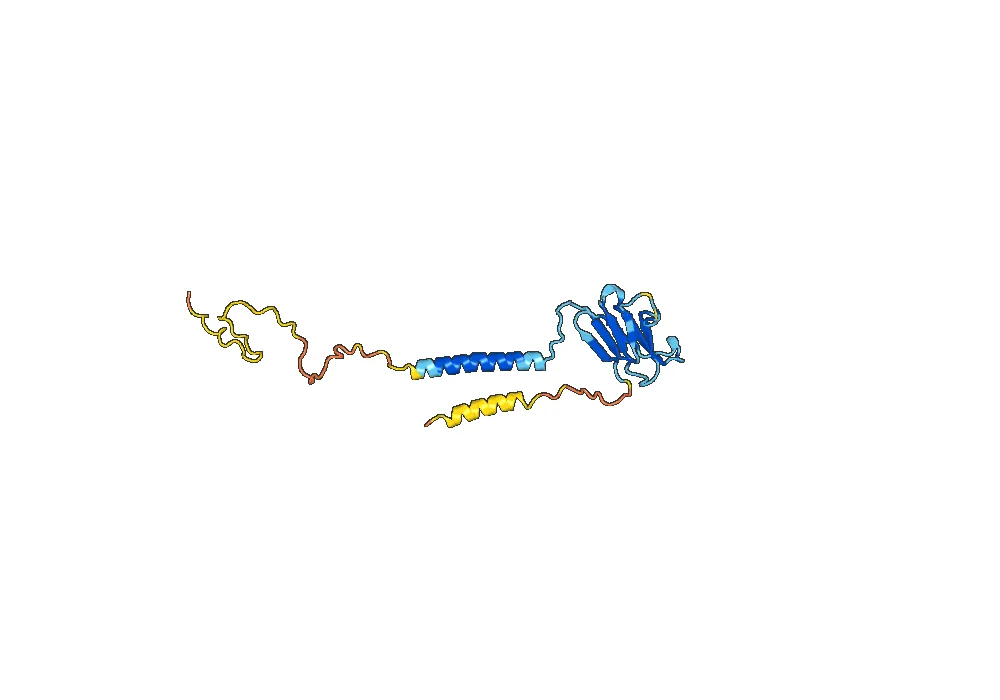
Dafsolimab Biosimilar, also known as Anti-CD3E monoclonal antibody (mAb), is a research grade therapeutic antibody that targets the CD3E protein. This protein is found on the surface of T-cells, a type of white blood cell that plays a crucial role in the immune system. Dafsolimab Biosimilar is a biosimilar version of the original Dafsolimab, which is a fully humanized anti-CD3E mAb. In this article, we will discuss the structure, activity, and potential applications of Dafsolimab Biosimilar.
Structure of Dafsolimab Biosimilar
Dafsolimab Biosimilar is a monoclonal antibody, meaning it is produced by a single clone of cells. It is a type of immunoglobulin G (IgG) antibody, which is the most abundant type of antibody in the human body. The structure of Dafsolimab Biosimilar is similar to that of the original Dafsolimab, with minor differences due to the biosimilar manufacturing process.
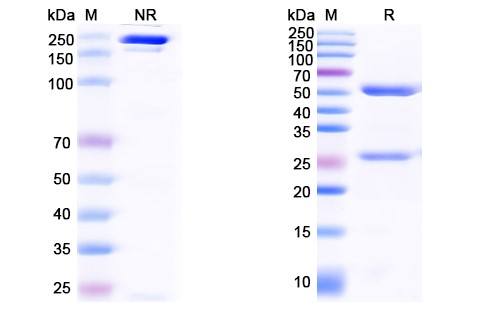
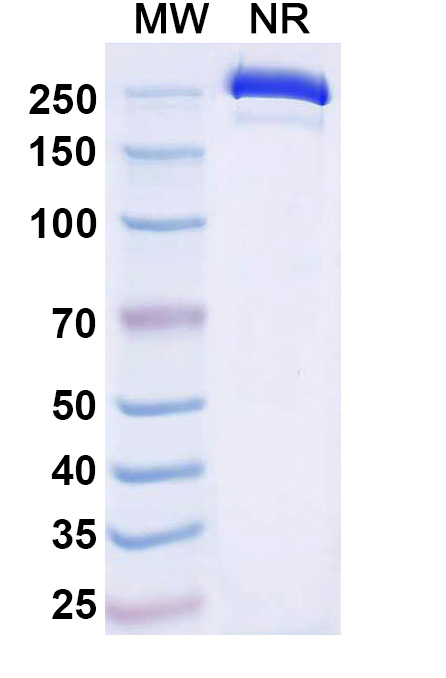
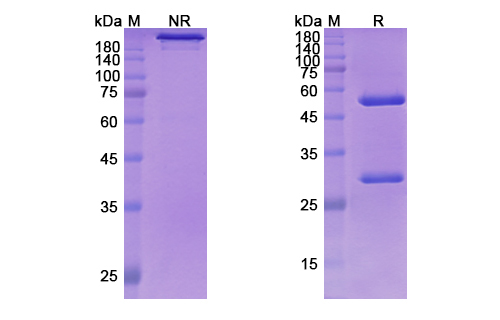
Dafsolimab Biosimilar is composed of two heavy chains and two light chains, connected by disulfide bonds. The heavy chains are approximately 50 kDa in size, while the light chains are approximately 25 kDa. The variable regions of the antibody, which are responsible for binding to the CD3E protein, are located at the tips of the heavy and light chains. The constant regions of the antibody are responsible for activating the immune system and clearing foreign substances.
Activity of Dafsolimab Biosimilar
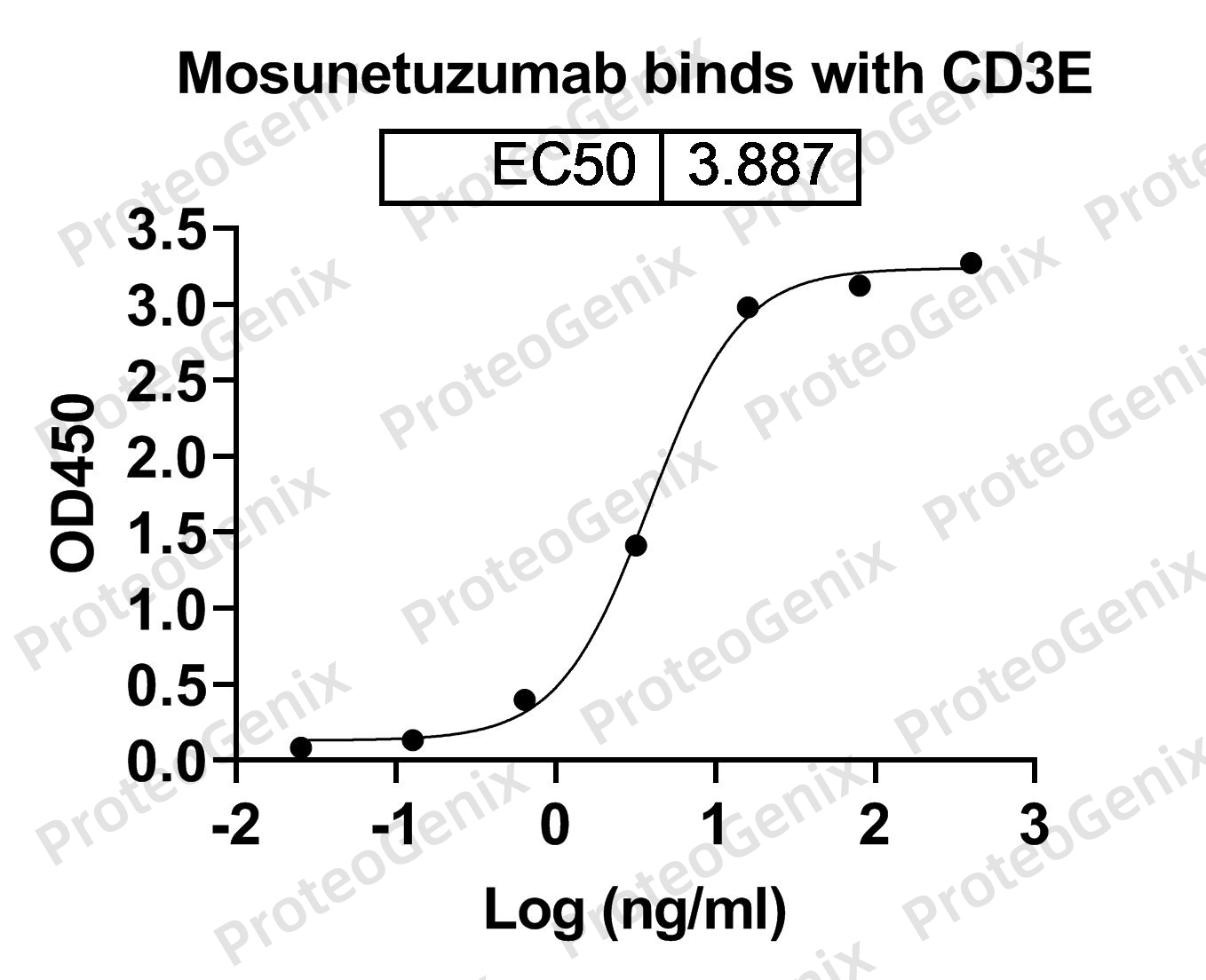
The primary function of Dafsolimab Biosimilar is to bind to the CD3E protein on the surface of T-cells. This binding activates the T-cells and triggers a cascade of events that ultimately leads to the elimination of foreign or abnormal cells. Dafsolimab Biosimilar has been shown to be highly specific for the CD3E protein, with minimal binding to other proteins.
In addition to activating T-cells, Dafsolimab Biosimilar also has the ability to modulate the immune response. This means that it can either enhance or suppress the immune system, depending on the context. This makes Dafsolimab Biosimilar a versatile therapeutic tool for a variety of diseases and conditions.
Potential Applications of Dafsolimab Biosimilar
As a research grade therapeutic antibody, Dafsolimab Biosimilar has the potential to be used in a wide range of applications. Some potential applications include:
1.
Cancer immunotherapy: Dafsolimab Biosimilar has shown promising results in preclinical studies as a potential treatment for various types of cancer. By activating T-cells, it can help the immune system to recognize and eliminate cancer cells.
2. Autoimmune diseases: Dafsolimab Biosimilar has the ability to suppress the immune system, making it a potential treatment for autoimmune diseases such as rheumatoid arthritis, multiple sclerosis, and type 1 diabetes.
3. Organ transplantation: Dafsolimab Biosimilar has been studied as a potential immunosuppressant for organ transplantation. By suppressing the immune system, it can prevent rejection of the transplanted organ.
4.
Infectious diseases: Dafsolimab Biosimilar has been shown to enhance the immune response against infectious diseases such as HIV, hepatitis B, and influenza.
5. Allergies: Dafsolimab Biosimilar has the potential to suppress allergic reactions by modulating the immune response.
Conclusion
In summary, Dafsolimab Biosimilar is a research grade therapeutic antibody that targets the CD3E protein on T-cells. Its structure is similar to that of the original Dafsolimab, and it has the ability to activate and modulate the immune system. With its potential applications in cancer, autoimmune diseases, organ transplantation, infectious diseases, and allergies, Dafsolimab Biosimilar has the potential to be a valuable tool in the field of immunotherapy.


There are no reviews yet.