Introduction
Muromonab-Cd3 Biosimilar, also known as Anti-CD3E mAb, is a monoclonal antibody that targets the CD3E protein. It is a research grade antibody that has been developed as a biosimilar to the original Muromonab-Cd3 antibody, which was the first monoclonal antibody approved by the FDA for clinical use. In this article, we will discuss the structure, activity, and potential applications of this biosimilar antibody.
Structure
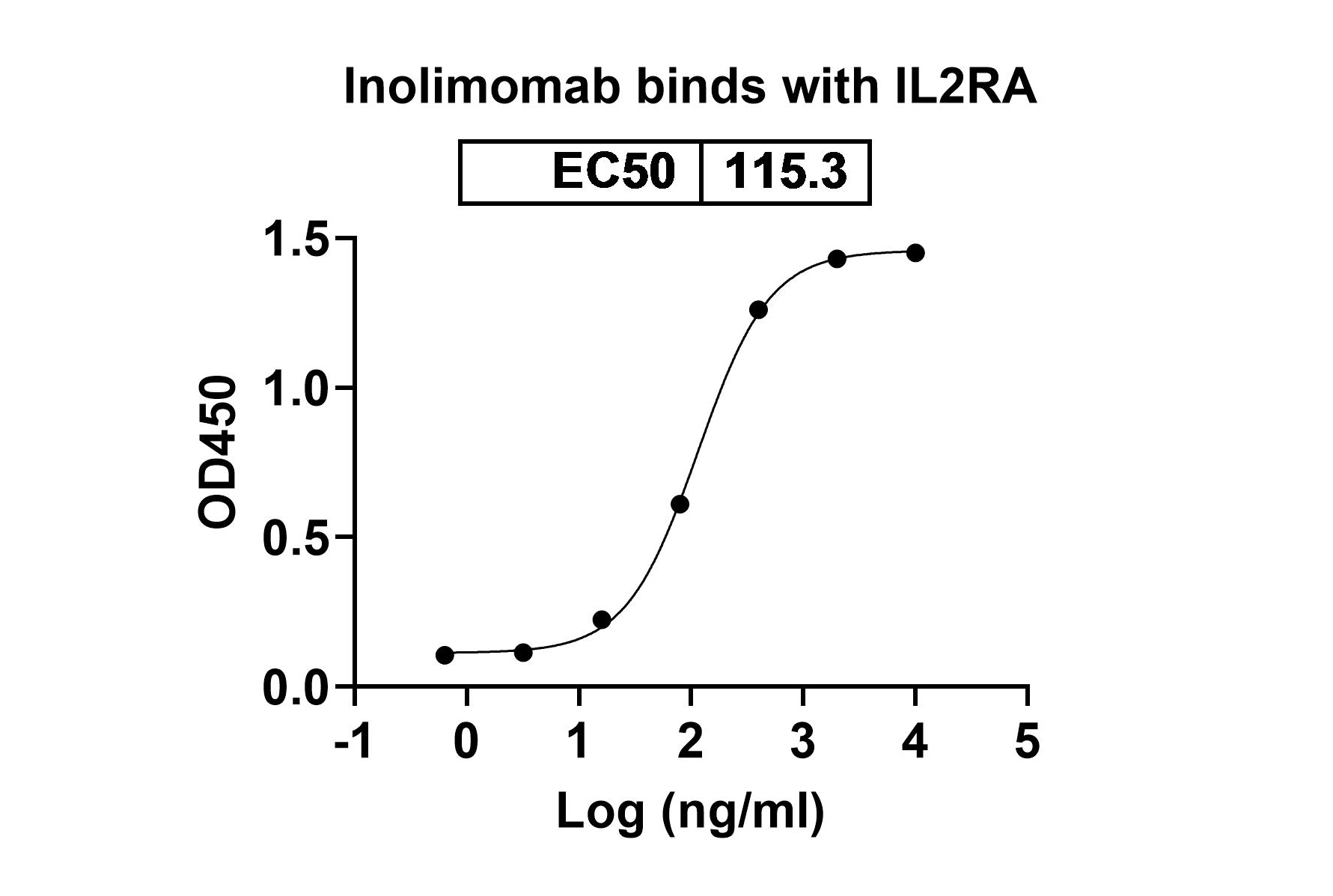
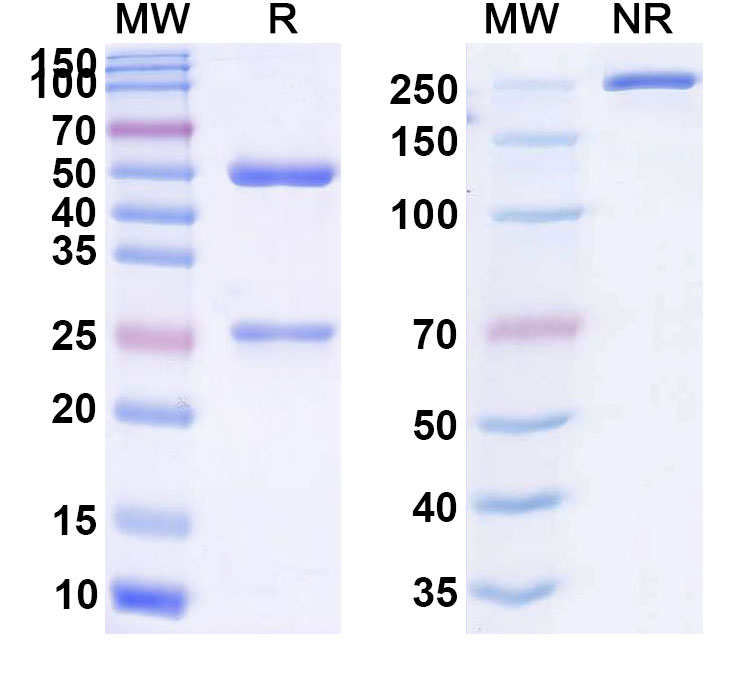
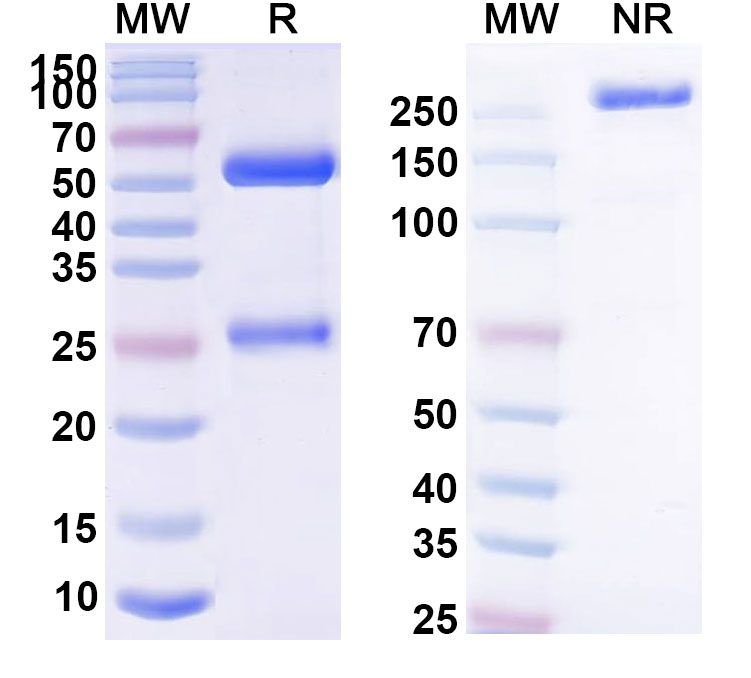
Muromonab-Cd3 Biosimilar is a recombinant, humanized IgG1 monoclonal antibody, with a molecular weight of approximately 150 kDa. It is composed of two heavy chains and two light chains, linked by disulfide bonds. The antibody has a variable region that specifically binds to the CD3E protein, and a constant region that mediates its effector functions.
Activity
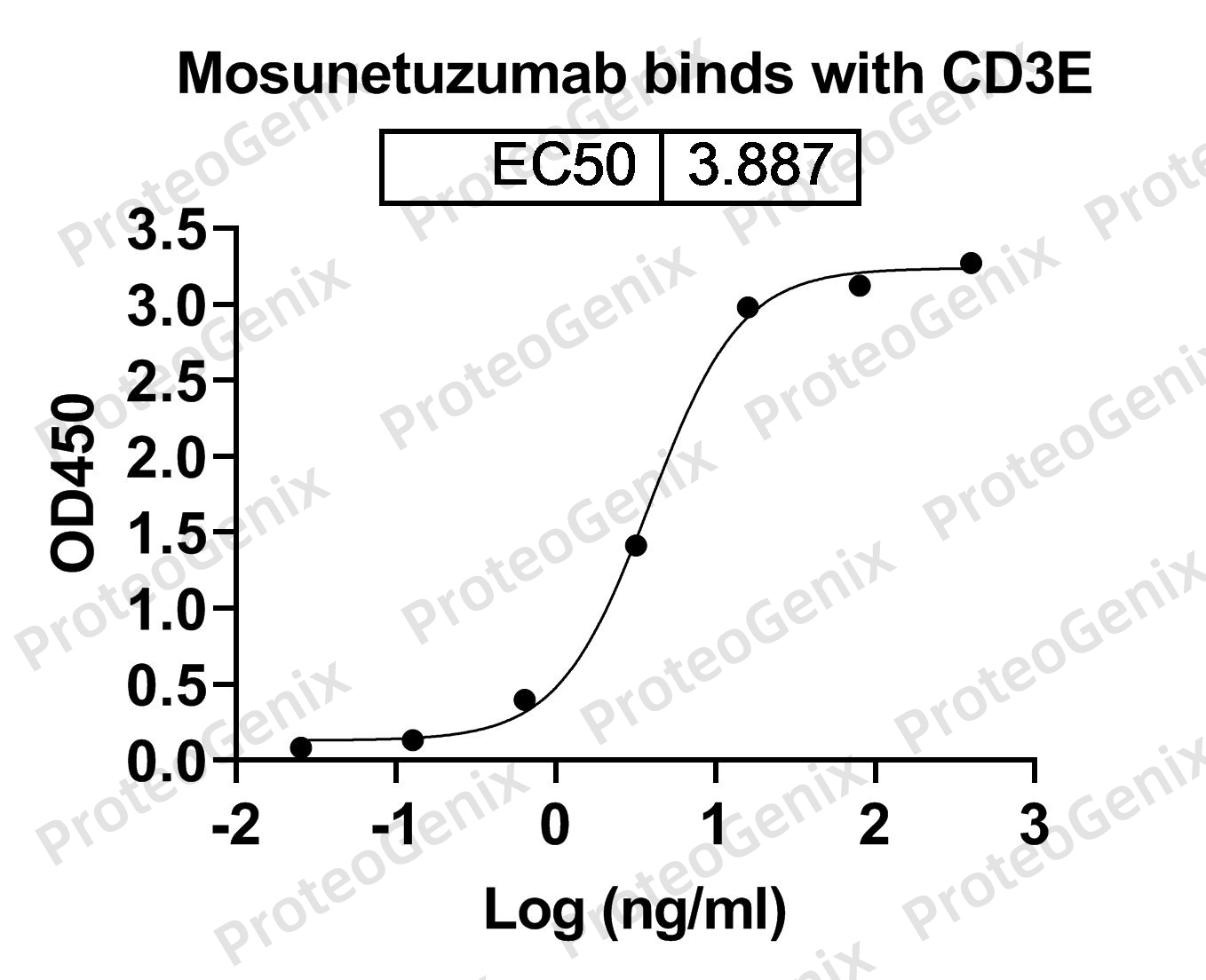
The main function of Muromonab-Cd3 Biosimilar is to bind to the CD3E protein, which is a component of the T-cell receptor complex. This binding leads to the activation of T-cells, which play a crucial role in the immune response. Activation of T-cells by Muromonab-Cd3 Biosimilar results in the production of cytokines, such as interleukin-2, which can enhance the immune response against cancer cells or pathogens.
In addition to its role in T-cell activation, Muromonab-Cd3 Biosimilar also has immunosuppressive effects. It can bind to and deplete CD3E-positive T-cells, which are involved in autoimmune diseases. This mechanism of action has been used in the treatment of autoimmune disorders, such as type 1 diabetes and multiple sclerosis.
Applications
Muromonab-Cd3 Biosimilar has various potential applications in both research and clinical settings. In research, it can be used as a tool to study T-cell activation and function. It can also be used in in vitro assays to screen for potential immunomodulatory drugs.
In the clinical setting, Muromonab-Cd3 Biosimilar has been primarily used in the treatment of acute rejection in solid organ transplantation. It has also been investigated as a potential therapy for autoimmune diseases, such as type 1 diabetes and multiple sclerosis. In addition, this biosimilar antibody has shown promising results in the treatment of certain types of cancer, such as T-cell lymphoma and leukemia.
Future Directions
The development of Muromonab-Cd3 Biosimilar has opened up new possibilities for the treatment of various diseases. As a biosimilar, it offers a more affordable alternative to the original monoclonal antibody, making it more accessible for patients. In the future, further research and clinical trials will be needed to fully understand the potential of this antibody in various disease settings.
Conclusion
In summary, Muromonab-Cd3 Biosimilar is a research grade antibody that targets the CD3E protein. It has both activating and immunosuppressive effects on T-cells, and has potential applications in research and clinical settings. As a biosimilar, it offers a more affordable option for patients in need of this therapy. Further research and clinical trials will continue to expand our understanding of the potential of this antibody in the treatment of various diseases.



There are no reviews yet.