Introduction
Anti-Human Frataxin Antibody (SAA2739) is a highly specific and sensitive antibody that targets the protein frataxin, which is encoded by the FXN gene. This antibody has been extensively studied and has shown promising results in various research areas, particularly in the study of Friedreich’s ataxia (FA), a genetic neurodegenerative disorder. In this article, we will discuss the structure, activity and application of Anti-Human Frataxin Antibody (SAA2739) in detail.
Structure of Anti-Human Frataxin Antibody (SAA2739)
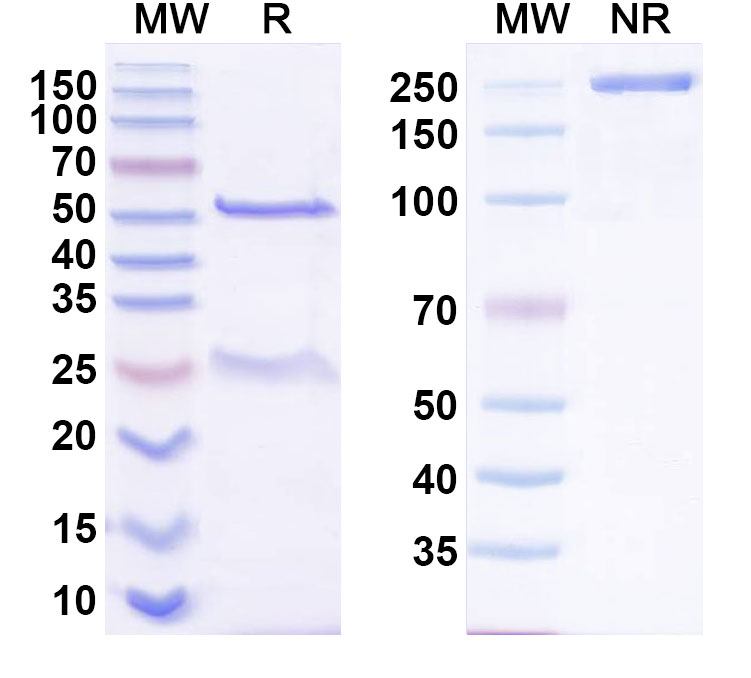
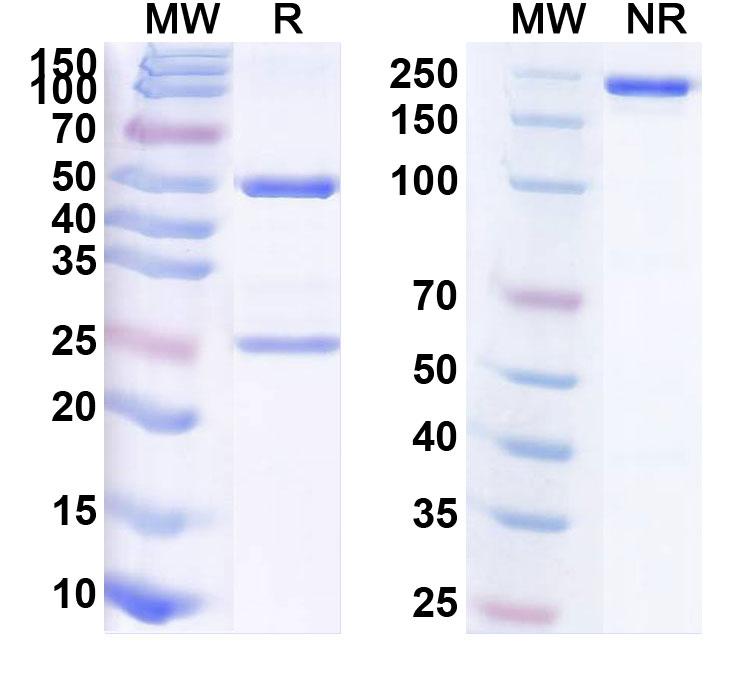
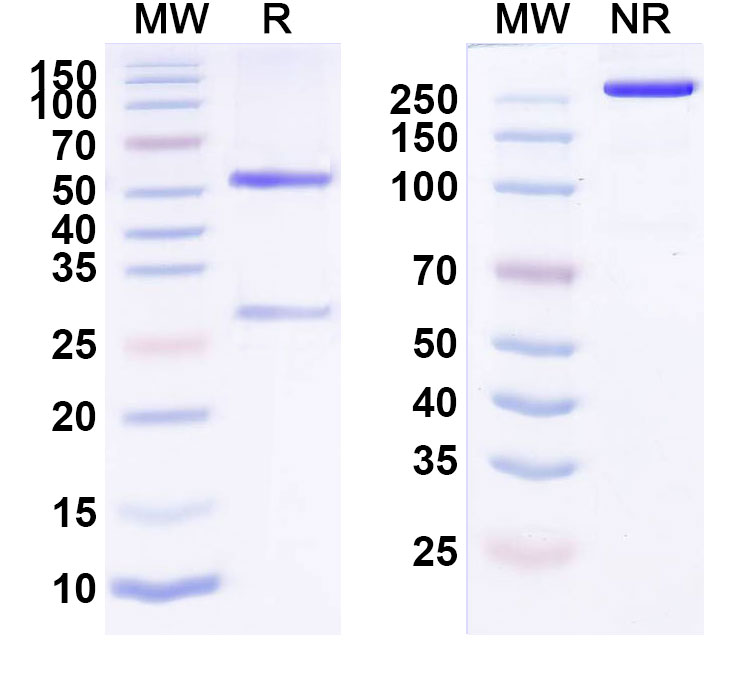
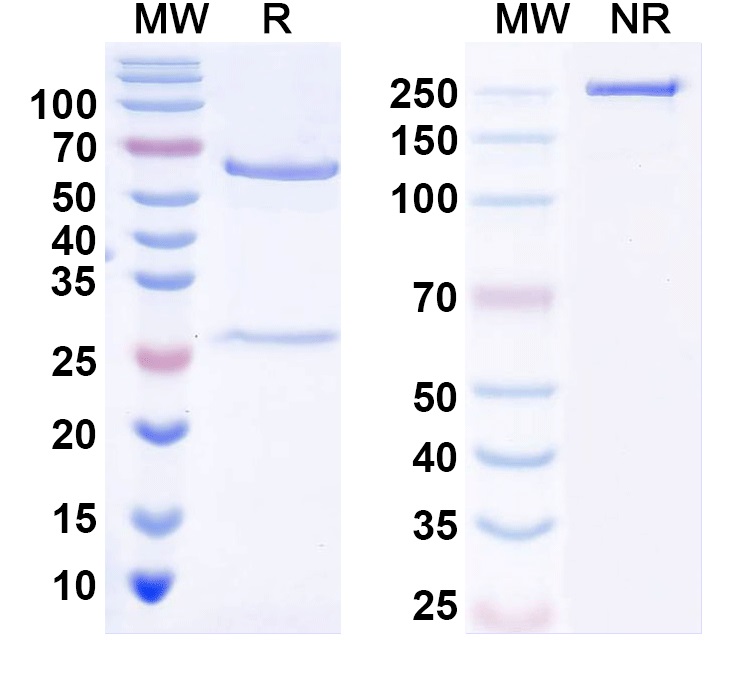
Anti-Human Frataxin Antibody (SAA2739) is a monoclonal antibody, meaning it is produced by a single clone of B cells and is therefore highly specific to its target protein frataxin. It is a recombinant antibody, produced through genetic engineering techniques, and is composed of two heavy and two light chains. The heavy chains are approximately 50 kDa in size and the light chains are approximately 25 kDa. The antibody has a molecular weight of approximately 150 kDa.
The structure of Anti-Human Frataxin Antibody (SAA2739) is based on the immunoglobulin G (IgG) class, which is the most abundant antibody class in the human immune system. It has a Y-shaped structure, with two identical antigen-binding fragments (Fab) and one crystallizable fragment (Fc). The Fab region is responsible for binding to the target protein, while the Fc region is involved in immune response and effector functions.
Activity of Anti-Human Frataxin Antibody (SAA2739)
Anti-Human Frataxin Antibody (SAA2739) has been extensively studied for its activity in various research areas, particularly in the study of FA. It has been shown to specifically recognize and bind to frataxin, inhibiting its function and leading to a decrease in the amount of frataxin in cells. This activity has been observed in both in vitro and in vivo studies.
In addition to its inhibitory activity, Anti-Human Frataxin Antibody (SAA2739) has also been shown to have therapeutic potential in the treatment of FA. Studies have demonstrated that treatment with this antibody can increase frataxin levels in cells and improve neurological symptoms in FA patients.
Furthermore, Anti-Human Frataxin Antibody (SAA2739) has also been used in research to study the role of frataxin in other diseases and conditions. It has been shown to be a valuable tool in understanding the function of frataxin in mitochondrial iron metabolism, oxidative stress, and mitochondrial dysfunction.
Application of Anti-Human Frataxin Antibody (SAA2739)
The specific and sensitive nature of Anti-Human Frataxin Antibody (SAA2739) makes it a valuable tool in various research applications. It has been used in studies to investigate the role of frataxin in FA and other diseases, as well as in the development of potential therapies for FA.
One of the key applications of this antibody is in the diagnosis of FA. It has been used in immunohistochemistry and immunofluorescence techniques to detect and quantify frataxin levels in patient samples. This can aid in the diagnosis and monitoring of FA, as well as in the evaluation of potential therapies.
In addition, Anti-Human Frataxin Antibody (SAA2739) has also been used in basic research to study the function of frataxin in various cellular processes. It has been used in Western blotting, ELISA, and immunoprecipitation techniques to study protein-protein interactions and frataxin levels in different cell types and conditions.
Furthermore, the therapeutic potential of Anti-Human Frataxin Antibody (SAA2739) has been explored in preclinical and clinical studies. It has been shown to have a beneficial effect on frataxin levels and neurological symptoms in FA patients, making it a promising candidate for future FA therapies.
<h

There are no reviews yet.