Anti-Human GUCY2C VHH (SAA2687): Structure, Activity, and Application
Introduction
Anti-Human GUCY2C VHH (SAA2687) is a recombinant single-domain antibody that specifically targets the human guanylate cyclase 2C (GUCY2C) receptor. This receptor is a transmembrane protein that is primarily expressed in the gastrointestinal tract and plays a crucial role in regulating intestinal fluid and electrolyte balance. Dysregulation of GUCY2C has been linked to various gastrointestinal disorders, making it an important target for therapeutic interventions.
Structure of Anti-Human GUCY2C VHH (SAA2687)
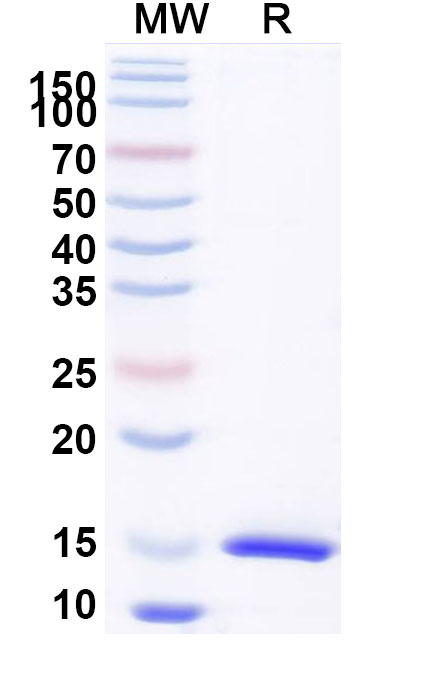
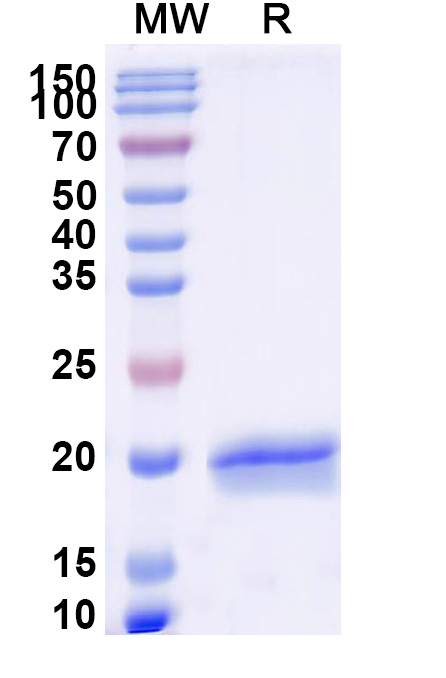
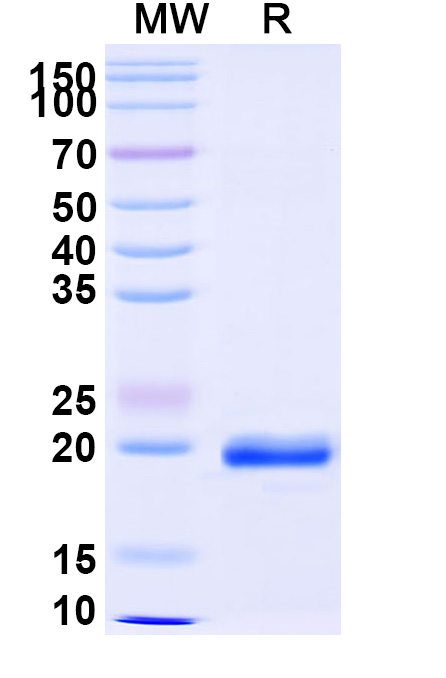
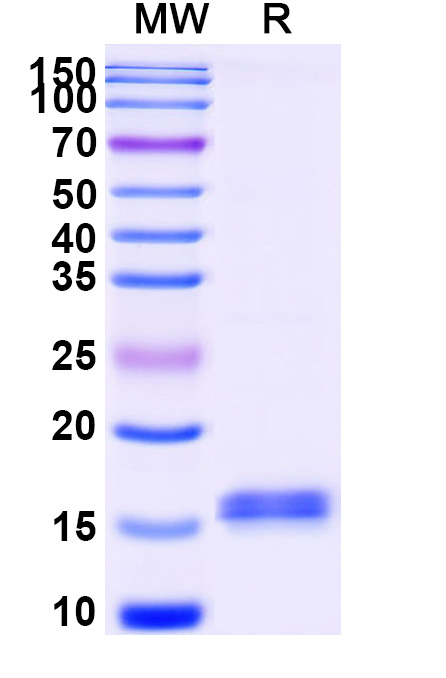
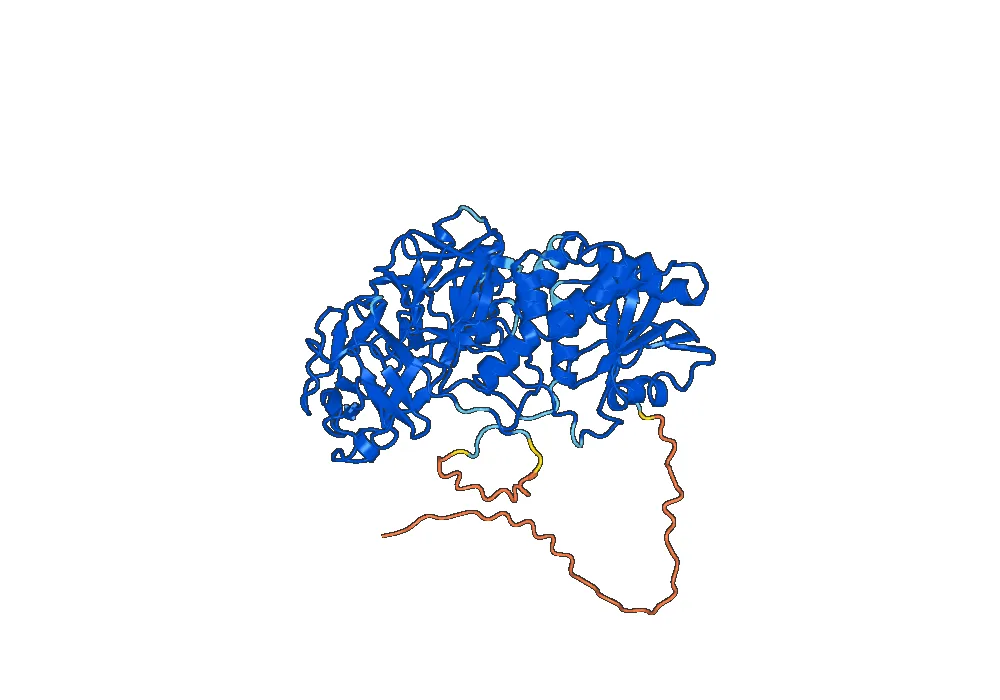
Anti-Human GUCY2C VHH (SAA2687) is a single-domain antibody, also known as a VHH or nanobody, which is derived from the heavy chain of camelid antibodies. It consists of a single variable domain that is responsible for binding to the GUCY2C receptor with high specificity and affinity. The structure of this VHH has been engineered to enhance its stability and solubility, making it an ideal candidate for therapeutic use.
Activity of Anti-Human GUCY2C VHH (SAA2687)
The primary activity of Anti-Human GUCY2C VHH (SAA2687) is its ability to bind to the GUCY2C receptor with high specificity and affinity. This binding results in the inhibition of GUCY2C signaling, which is responsible for regulating fluid and electrolyte balance in the intestine. By blocking GUCY2C activity, this VHH can potentially alleviate symptoms of gastrointestinal disorders such as diarrhea and inflammatory bowel disease.
In addition, Anti-Human GUCY2C VHH (SAA2687) has been shown to have a prolonged half-life in the bloodstream, making it an attractive candidate for systemic delivery. This VHH also has low immunogenicity, meaning it is less likely to elicit an immune response when administered to patients.
Application of Anti-Human GUCY2C VHH (SAA2687)
The specific targeting and inhibitory activity of Anti-Human GUCY2C VHH (SAA2687) make it a promising candidate for the treatment of various gastrointestinal disorders. Its potential applications include:
- Treatment of diarrhea: Diarrhea is a common symptom of gastrointestinal disorders and can be caused by dysregulation of GUCY2C signaling. By inhibiting GUCY2C activity, Anti-Human GUCY2C VHH (SAA2687) can potentially reduce diarrhea and improve intestinal function.
- Management of inflammatory bowel disease (IBD): IBD is a chronic inflammatory disorder of the digestive tract that can cause severe symptoms such as abdominal pain, diarrhea, and rectal bleeding. Studies have shown that GUCY2C signaling plays a role in the development of IBD, and targeting this pathway with Anti-Human GUCY2C VHH (SAA2687) may provide a novel therapeutic approach.
- Prevention of chemotherapy-induced diarrhea: Chemotherapy drugs can cause damage to the intestinal lining, leading to diarrhea. By targeting GUCY2C, Anti-Human GUCY2C VHH (SAA2687) may be able to prevent or reduce chemotherapy-induced diarrhea, improving the quality of life for cancer patients.
Conclusion
Anti-Human GUCY2C VHH (SAA2687) is a recombinant single-domain antibody that specifically targets the GUCY2C receptor. Its unique structure, high specificity, and inhibitory activity make it a promising candidate for the treatment of various gastrointestinal disorders

There are no reviews yet.