Introduction
The Anti-Human GZMA Monoclonal Antibody (1A612) is a highly specific and potent antibody that targets the human granzyme A (GZMA) protein. GZMA is a serine protease enzyme that is primarily expressed in cytotoxic T cells and natural killer cells. It plays a crucial role in the immune response by inducing apoptosis (cell death) in target cells, particularly virus-infected or cancerous cells. The 1A612 antibody is a valuable tool for researchers studying the role of GZMA in various diseases and for developing potential therapeutic interventions.
Structure of Anti-Human GZMA Monoclonal Antibody (1A612)
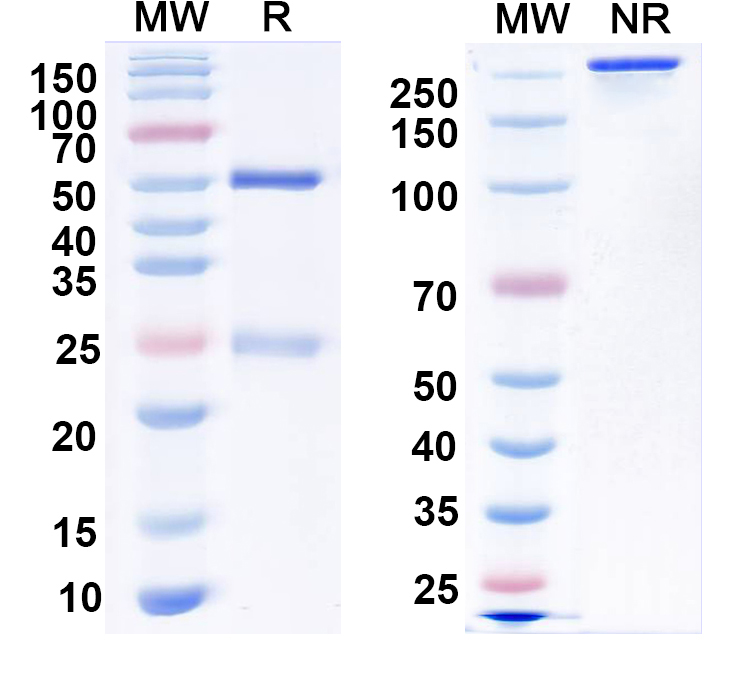
The 1A612 antibody is a monoclonal antibody, meaning it is produced by a single clone of cells and is highly specific to its target protein. It is a recombinant antibody, which means it is produced using recombinant DNA technology and has a defined structure. The antibody is composed of two heavy chains and two light chains, which are connected by disulfide bonds. The variable regions of these chains form the antigen-binding site, which is responsible for the antibody’s specificity to GZMA. The constant region of the antibody determines its effector functions, such as binding to immune cells and activating the complement system.
Mechanism of Action
The 1A612 antibody binds to GZMA with high affinity and specificity, inhibiting its activity. This prevents GZMA from inducing apoptosis in target cells, thus suppressing the immune response. This mechanism has potential applications in diseases where the immune system is overactive, such as autoimmune disorders. Additionally, the antibody can also be used to study the role of GZMA in immune cell function and regulation.
Applications of Anti-Human GZMA Monoclonal Antibody (1A612)
The 1A612 antibody has a wide range of applications in both research and therapeutic settings. Some of the key applications include:
Cancer Research
GZMA has been implicated in the development and progression of various cancers, making it an attractive target for cancer research. The 1A612 antibody can be used to study the role of GZMA in cancer cell survival and proliferation. It can also be used as a potential therapeutic agent for cancer treatment, either alone or in combination with other therapies.
Inflammatory Diseases
GZMA has been shown to play a role in inflammatory diseases such as rheumatoid arthritis and psoriasis. The 1A612 antibody can be used to investigate the role of GZMA in these diseases and potentially develop novel treatments targeting GZMA.
Infectious Diseases
GZMA is involved in the immune response against viral and bacterial infections. The 1A612 antibody can be used to study the role of GZMA in these infections and potentially develop therapies to modulate the immune response and enhance clearance of pathogens.
Therapeutic Applications
The 1A612 antibody has shown potential as a therapeutic agent in various diseases. For example, in autoimmune diseases, the antibody can be used to suppress the overactive immune response. In cancer, it can be used to inhibit GZMA’s pro-tumorigenic effects. Additionally, the antibody can also be used in combination with other therapies to enhance their efficacy.
Conclusion
The Anti-Human GZMA Monoclonal Antibody (1A612) is a valuable tool for researchers studying the role of GZMA in various diseases. Its highly specific and potent binding to GZMA makes it an ideal candidate for therapeutic applications in cancer, inflammatory, and infectious diseases. With its diverse range of applications, the 1A612 antibody has the potential to contribute significantly to our understanding of GZMA and its role in the immune response.


There are no reviews yet.