Introduction
Anti-Human HBEGF Antibody (KM3566) is a monoclonal antibody that specifically targets human HBEGF (Heparin-binding EGF-like growth factor). This antibody has been extensively studied for its structure, activity and potential applications in various research areas. In this article, we will provide a detailed description of the structure, activity and applications of Anti-Human HBEGF Antibody (KM3566).
Structure of Anti-Human HBEGF Antibody (KM3566)
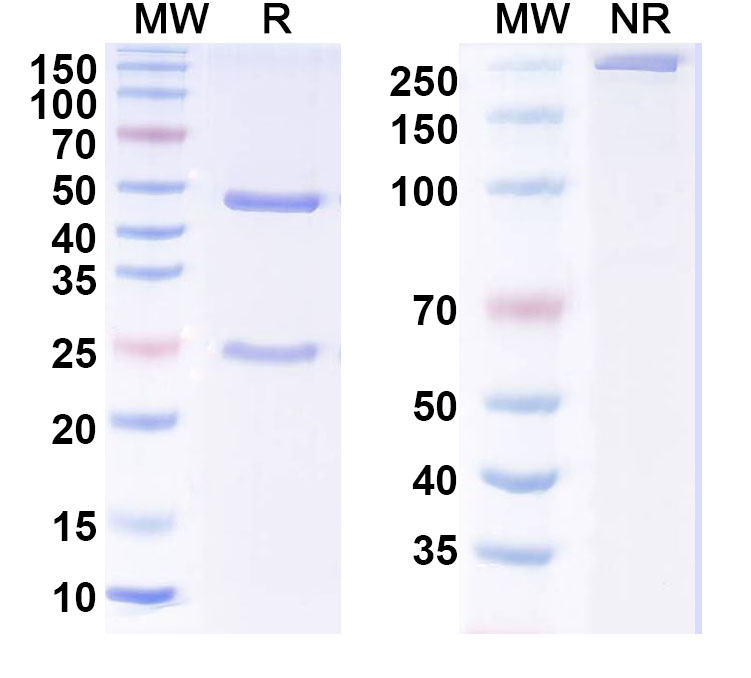
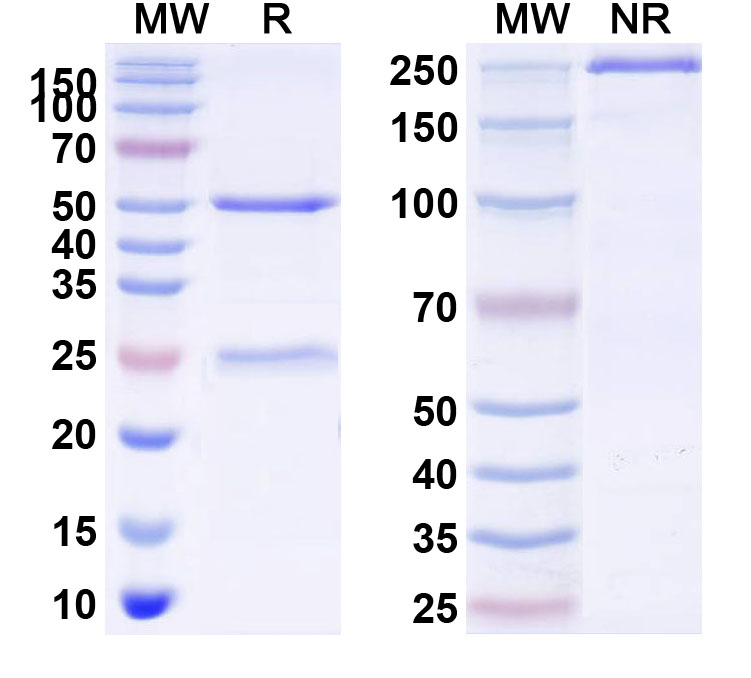
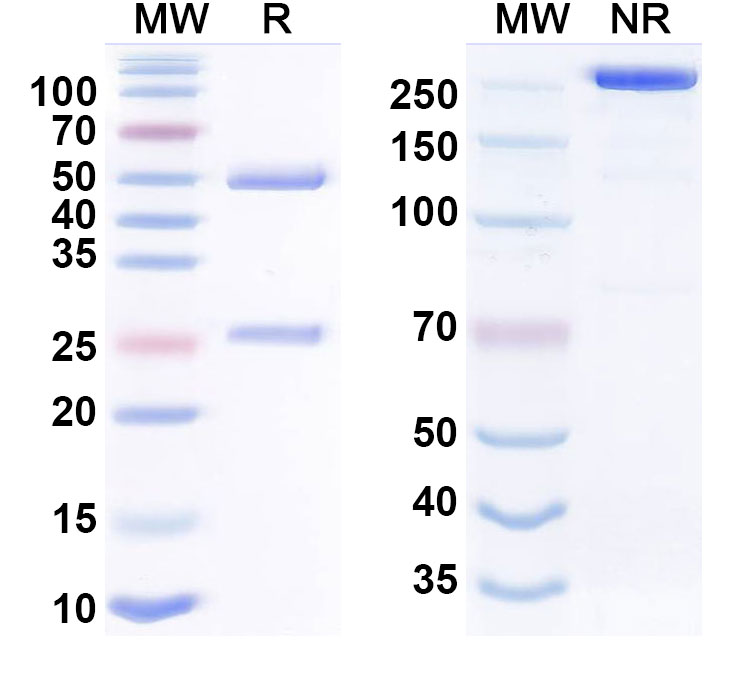
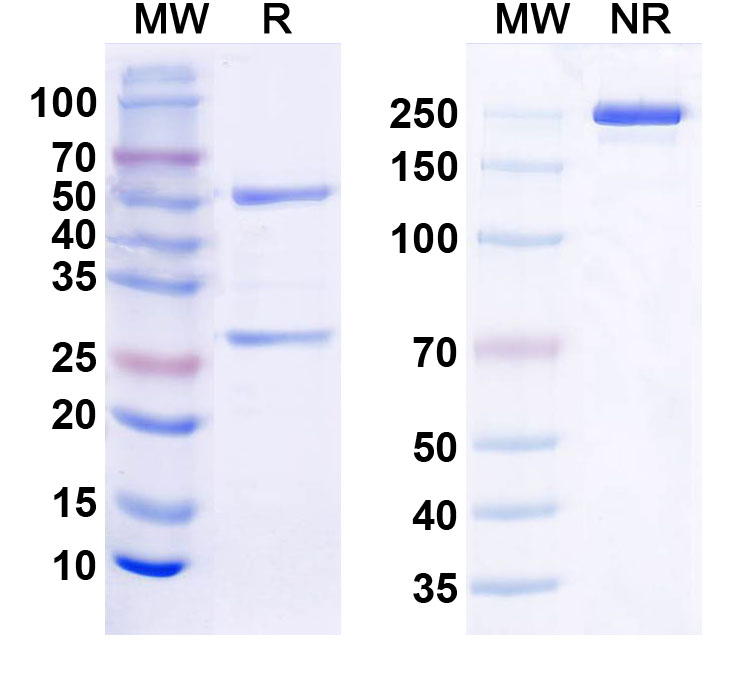
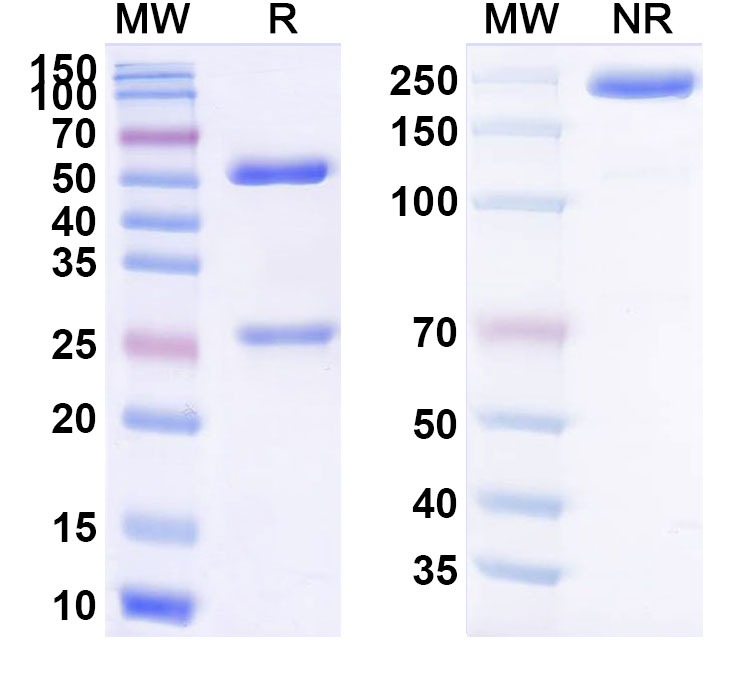
Anti-Human HBEGF Antibody (KM3566) is a monoclonal antibody, which means it is produced by a single clone of B cells and is highly specific for its target antigen, HBEGF. It is an IgG1 isotype antibody with a molecular weight of approximately 150 kDa. The antibody is composed of two heavy chains and two light chains, connected by disulfide bonds. The variable regions of the heavy and light chains are responsible for binding to the specific epitope on HBEGF.
Activity of Anti-Human HBEGF Antibody (KM3566)
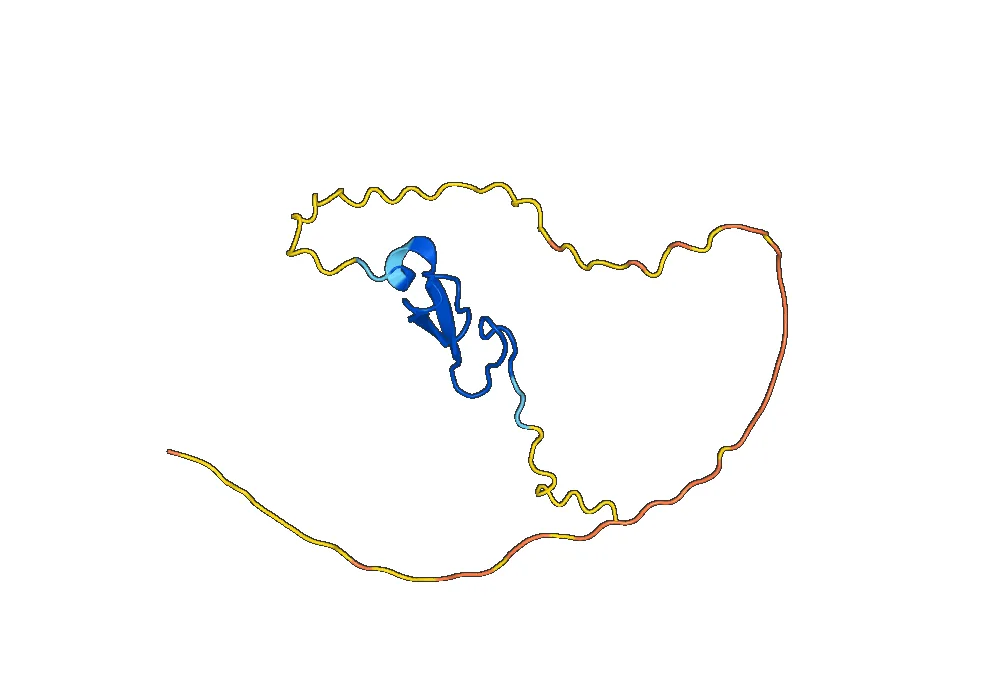
Anti-Human HBEGF Antibody (KM3566) has been shown to have high affinity and specificity for HBEGF. It binds to the mature form of HBEGF, which is a 22 kDa protein, and inhibits its biological activity. HBEGF is a member of the epidermal growth factor (EGF) family and is involved in various cellular processes such as cell proliferation, differentiation, and migration. It is also known to play a role in wound healing, tissue repair, and cancer progression. By binding to HBEGF, Anti-Human HBEGF Antibody (KM3566) blocks its interaction with its receptor, EGFR (Epidermal Growth Factor Receptor), thus inhibiting downstream signaling pathways.
Applications of Anti-Human HBEGF Antibody (KM3566)
1. Cancer research
HBEGF is known to be overexpressed in many types of cancer, including breast, lung, and colon cancer. It has been shown to promote tumor growth, invasion, and metastasis. Anti-Human HBEGF Antibody (KM3566) has been used in cancer research to investigate the role of HBEGF in tumor progression and to evaluate its potential as a therapeutic target. Studies have shown that Anti-Human HBEGF Antibody (KM3566) can inhibit the growth and metastasis of cancer cells by blocking the interaction between HBEGF and EGFR.
2. Wound healing and tissue repair
HBEGF is a potent mitogen and is involved in the process of wound healing and tissue repair. It is expressed in various cell types, including keratinocytes and fibroblasts, and has been shown to promote cell proliferation and migration. Anti-Human HBEGF Antibody (KM3566) has been used in wound healing studies to investigate the role of HBEGF and its potential as a therapeutic target for promoting tissue regeneration.
3. Cardiovascular research
HBEGF has been implicated in the development of cardiovascular diseases, such as atherosclerosis and cardiac hypertrophy. It has been shown to promote the proliferation and migration of vascular smooth muscle cells, which play a crucial role in the pathogenesis of these diseases. Anti-Human HBEGF Antibody (KM3566) has been used in cardiovascular research to study the role of HBEGF in these diseases and to evaluate its potential as a therapeutic target.
4. Developmental biology
HBEGF is known to play a critical role in embryonic development, particularly in the development of the heart, lungs, and nervous system. It has been shown to regulate cell proliferation, differentiation, and migration during embryogenesis. Anti-Human HBEGF Antibody (KM3566) has been used in developmental biology studies to investigate the role of HBEGF in these processes and to understand its mechanism of action.
Conclusion
In summary, Anti-Human HBEGF Antibody (KM3566) is a monoclonal antibody that specifically targets human HBEGF. It has high affinity and specificity for its target and


There are no reviews yet.