Introduction
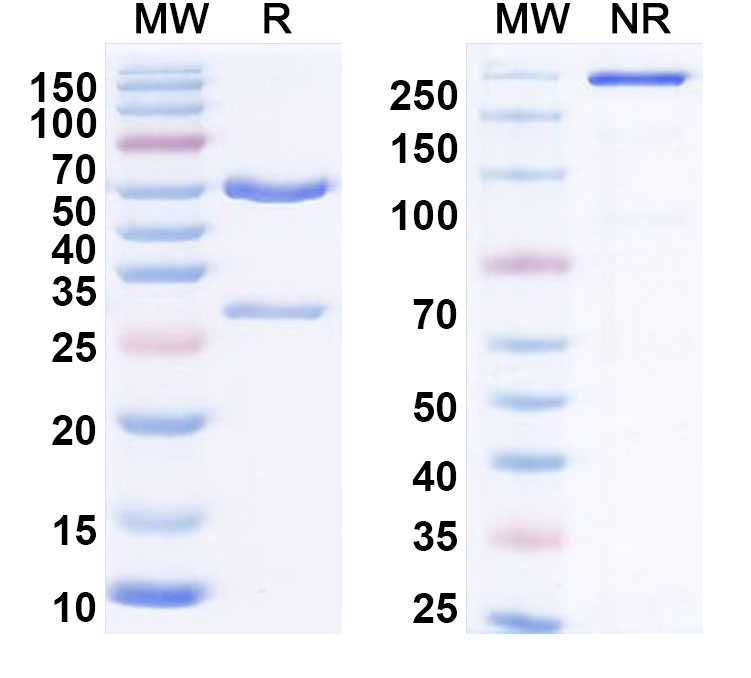
Anti-Human Human CYP19A1 Antibody (SAA2693) is a highly specific and sensitive antibody that targets the human cytochrome P450 19A1 (CYP19A1) protein. This antibody has been extensively studied and has been shown to have a crucial role in the regulation of estrogen biosynthesis, making it a valuable tool for research in the fields of endocrinology, oncology, and reproductive biology.
Structure of CYP19A1
CYP19A1, also known as aromatase, is a member of the cytochrome P450 superfamily of enzymes. It is a membrane-bound protein that consists of 503 amino acids and has a molecular weight of approximately 58 kDa. The protein is composed of a heme-binding domain, a steroid-binding domain, and a C-terminal region that is responsible for anchoring the protein to the endoplasmic reticulum membrane. The heme-binding domain is essential for the catalytic activity of CYP19A1, while the steroid-binding domain is responsible for binding and converting androgens into estrogens.
Activity of CYP19A1
CYP19A1 is primarily expressed in the ovaries and testes, as well as in other tissues such as the brain, adipose tissue, and placenta. Its main function is to catalyze the conversion of androgens, such as testosterone, into estrogens, such as estradiol. This process, also known as aromatization, is essential for the production of estrogen, which plays a critical role in various physiological processes, including sexual development, bone metabolism, and cardiovascular health.
Application of Anti-Human Human CYP19A1 Antibody
The Anti-Human Human CYP19A1 Antibody (SAA2693) has been widely used in research to study the role of CYP19A1 in various diseases and conditions. Some of the key applications of this antibody are discussed below.
1. Endocrinology
The regulation of estrogen biosynthesis by CYP19A1 is crucial for maintaining hormonal balance in the body. Dysregulation of this process has been linked to various endocrine disorders, including polycystic ovary syndrome (PCOS) and endometriosis. The Anti-Human Human CYP19A1 Antibody has been used in research to study the expression and activity of CYP19A1 in these conditions, providing valuable insights into their underlying mechanisms.
2. Oncology
Estrogen has been implicated in the development and progression of various cancers, such as breast, ovarian, and prostate cancer. As CYP19A1 is responsible for estrogen production, it has been identified as a potential target for cancer treatment. The Anti-Human Human CYP19A1 Antibody has been used in research to study the expression and activity of CYP19A1 in cancer cells, providing valuable information for the development of targeted therapies.
3. Reproductive biology
Estrogen plays a critical role in female reproductive health, and CYP19A1 is essential for its production. The Anti-Human Human CYP19A1 Antibody has been used in research to study the expression and activity of CYP19A1 in the ovaries and placenta, providing valuable insights into the regulation of estrogen biosynthesis during pregnancy and fertility.
Conclusion
In summary, the Anti-Human Human CYP19A1 Antibody (SAA2693) is a valuable tool for research in the fields of endocrinology, oncology, and reproductive biology. Its high specificity and sensitivity make it a reliable antibody for studying the structure, activity, and application of CYP19A1 in various physiological and pathological processes. Further research using this antibody may lead to a better understanding of the role of CYP19A1 in health and disease and may contribute to the development of new treatments for various conditions.


There are no reviews yet.