Anti-Human NDUFB6 Polyclonal Antibody: A Powerful Tool for Mitochondrial Research
The Anti-Human NDUFB6 Polyclonal Antibody is a highly specific and sensitive tool for studying mitochondrial function and dysfunction. This antibody targets the NDUFB6 protein, a crucial component of the mitochondrial respiratory chain complex I. Its role in oxidative phosphorylation makes it an essential protein for cellular energy production and overall cell health.
This antibody is ideal for researchers interested in studying mitochondrial disorders, as well as those investigating the role of mitochondria in various diseases, such as cancer, neurodegenerative disorders, and metabolic disorders.
Main Applications:
1. Mitochondrial Dysfunction Research:
The Anti-Human NDUFB6 Polyclonal Antibody is a valuable tool for studying mitochondrial dysfunction. By targeting NDUFB6, this antibody allows researchers to assess the activity and function of complex I in mitochondria. This is particularly useful in understanding the underlying mechanisms of mitochondrial disorders, such as Leigh syndrome and Parkinson’s disease.
2. Cancer Research:
Mitochondria play a crucial role in cancer cell metabolism and survival. The Anti-Human NDUFB6 Polyclonal Antibody can aid in the study of how mitochondrial function and dysfunction contribute to cancer development and progression. It can also be used to investigate potential therapeutic targets for cancer treatment.
3. Neurodegenerative Disorders:
Mitochondrial dysfunction has been linked to various neurodegenerative disorders, such as Alzheimer’s and Huntington’s disease. The Anti-Human NDUFB6 Polyclonal Antibody can help researchers better understand the role of complex I in these diseases and potentially identify new therapeutic targets.
Experimental Use Cases:
1. Immunofluorescence:
The Anti-Human NDUFB6 Polyclonal Antibody is suitable for immunofluorescence experiments, allowing for the visualization of NDUFB6 protein in cells. This technique is useful for studying the localization and expression of NDUFB6 in different cell types and conditions.
2. Western Blot:
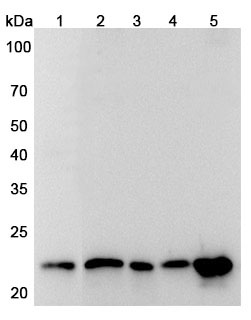
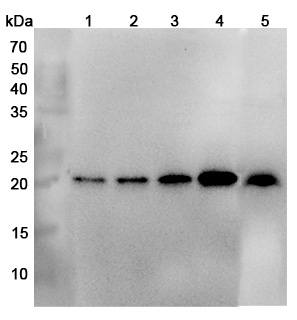
This antibody can also be used in western blot experiments to detect and quantify NDUFB6 protein levels. This technique is valuable in assessing changes in NDUFB6 expression under different experimental conditions or in disease states.
3. Immunoprecipitation:
The Anti-Human NDUFB6 Polyclonal Antibody can be used for immunoprecipitation experiments to isolate and purify NDUFB6 protein from complex protein mixtures. This technique is useful for studying protein-protein interactions and identifying potential binding partners of NDUFB6.
In summary, the Anti-Human NDUFB6 Polyclonal Antibody is a valuable tool for studying mitochondrial function and dysfunction in various research areas. Its specificity and sensitivity make it a reliable choice for researchers looking to understand the role of NDUFB6 in health and disease. Order yours today and take your mitochondrial research to the next level.


There are no reviews yet.