Introduction
The Anti-Human SERPINA3 Monoclonal Antibody (1A703) is a highly specific and potent antibody that is widely used in various research applications. This antibody is directed against the human SERPINA3 protein and has been extensively studied for its structure, activity and potential applications in various fields of research.
Structure of Anti-Human SERPINA3 Monoclonal Antibody (1A703)
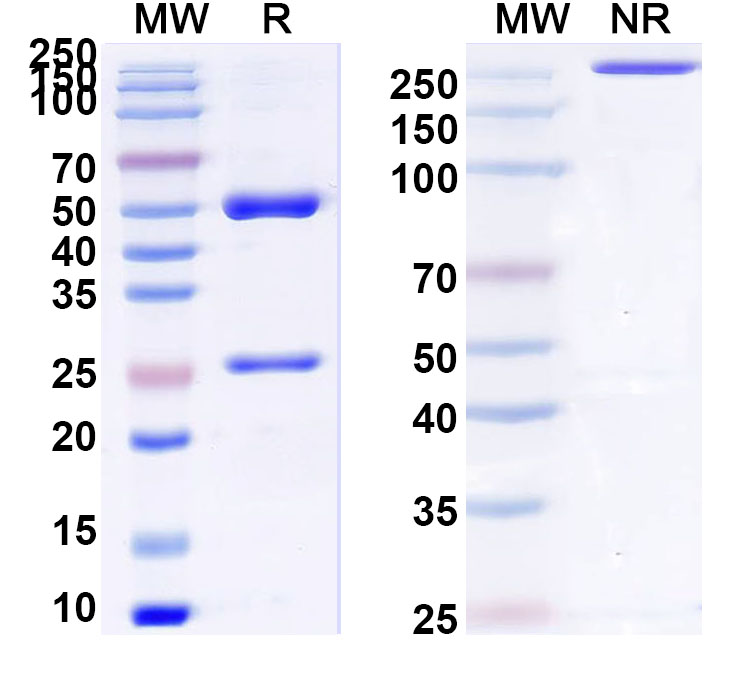
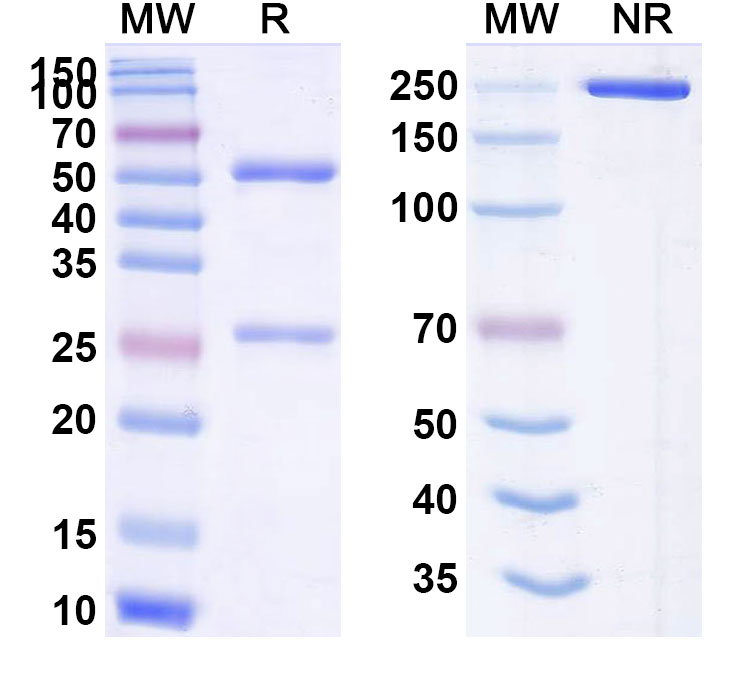
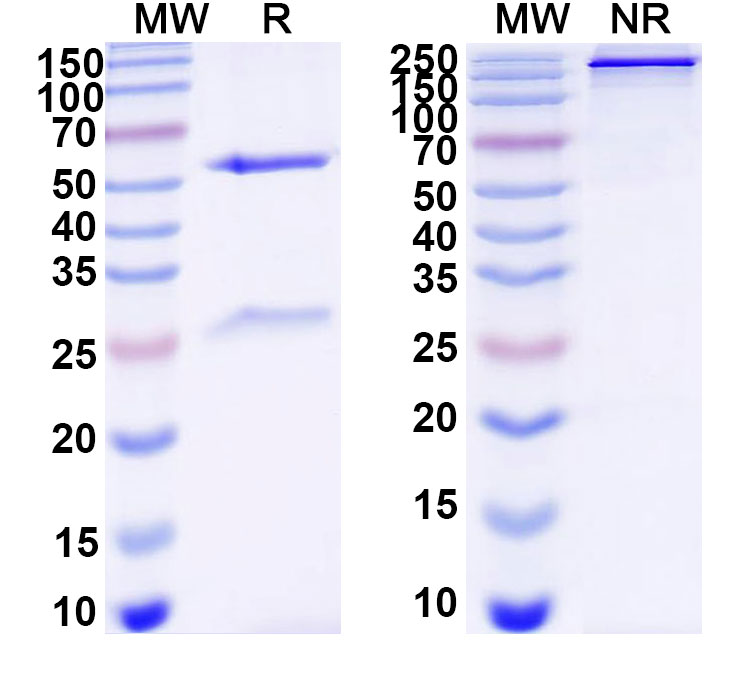
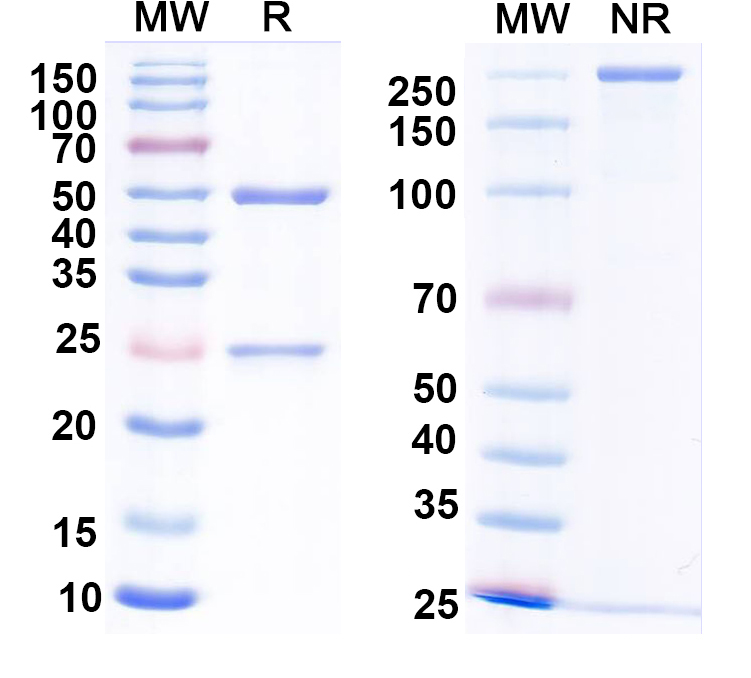
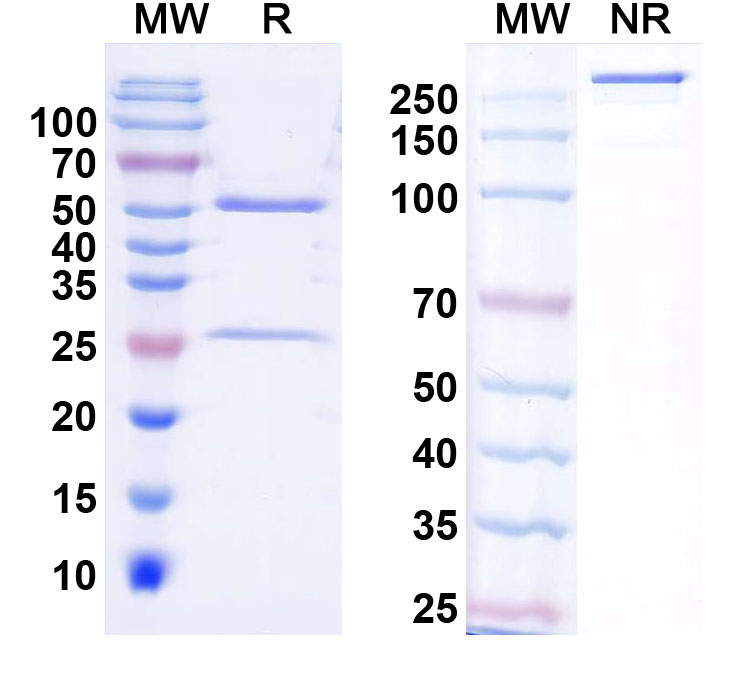
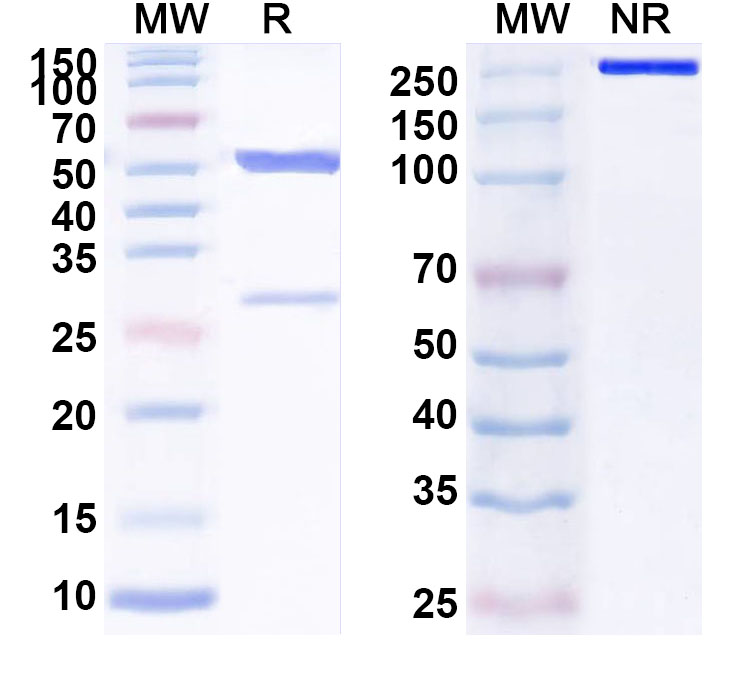
The Anti-Human SERPINA3 Monoclonal Antibody (1A703) is a monoclonal antibody, meaning it is produced by a single clone of cells that are identical in structure and function. It is composed of two heavy chains and two light chains, which are held together by disulfide bonds. The antibody has a Y-shaped structure, with each arm of the Y containing a binding site for the target protein, SERPINA3.
The antibody is produced using hybridoma technology, where mouse myeloma cells are fused with B cells from an immunized mouse. This results in the production of a large number of identical antibodies that specifically bind to the target protein.
Activity of Anti-Human SERPINA3 Monoclonal Antibody (1A703)
The Anti-Human SERPINA3 Monoclonal Antibody (1A703) has high affinity and specificity for the human SERPINA3 protein. It binds to a specific epitope on the protein and blocks its activity, making it a potent inhibitor of SERPINA3 function.
SERPINA3, also known as alpha-1-antichymotrypsin, is a serine protease inhibitor that plays a role in regulating protease activity in various physiological processes. It is involved in the regulation of inflammation, immune response, and tissue remodeling. Dysregulation of SERPINA3 has been linked to various diseases, including Alzheimer’s disease and various cancers.
By inhibiting the activity of SERPINA3, the Anti-Human SERPINA3 Monoclonal Antibody (1A703) can be used to study the role of this protein in disease processes and potentially develop therapeutic strategies targeting SERPINA3.
Applications of Anti-Human SERPINA3 Monoclonal Antibody (1A703)
The Anti-Human SERPINA3 Monoclonal Antibody (1A703) has a wide range of applications in different fields of research. Some of the key applications include:
- Immunohistochemistry (IHC): The antibody can be used in IHC to detect the presence and localization of SERPINA3 in tissue samples. This can provide valuable insights into the role of SERPINA3 in various diseases and help in the development of targeted therapies.
- Western blotting: The Anti-Human SERPINA3 Monoclonal Antibody (1A703) can be used to detect and quantify levels of SERPINA3 in cell lysates or tissue extracts. This can aid in the study of SERPINA3 expression and regulation in different cell types and conditions.
- Enzyme-linked immunosorbent assay (ELISA): The antibody can be used in ELISA to measure the levels of SERPINA3 in biological samples. This can be useful in diagnostic and prognostic studies of diseases associated with SERPINA3 dysregulation.
- Functional studies: The Anti-Human SERPINA3 Monoclonal Antibody (1A703) can be used in functional studies to investigate the role of SERPINA3 in various biological processes. By inhibiting the activity of SERPINA3, the antibody can help elucidate the specific functions of this protein in different cellular pathways.
Conclusion</h2

There are no reviews yet.