Introduction
Anti-Human TGFB1/TGF-beta-1 Antibody (SAA0443) is a highly specific and potent monoclonal antibody that targets transforming growth factor beta 1 (TGFB1), also known as TGF-beta-1. This antibody has been extensively studied and has shown promising results in various therapeutic applications, making it a valuable tool for both research and clinical use.
Structure of Anti-Human TGFB1/TGF-beta-1 Antibody
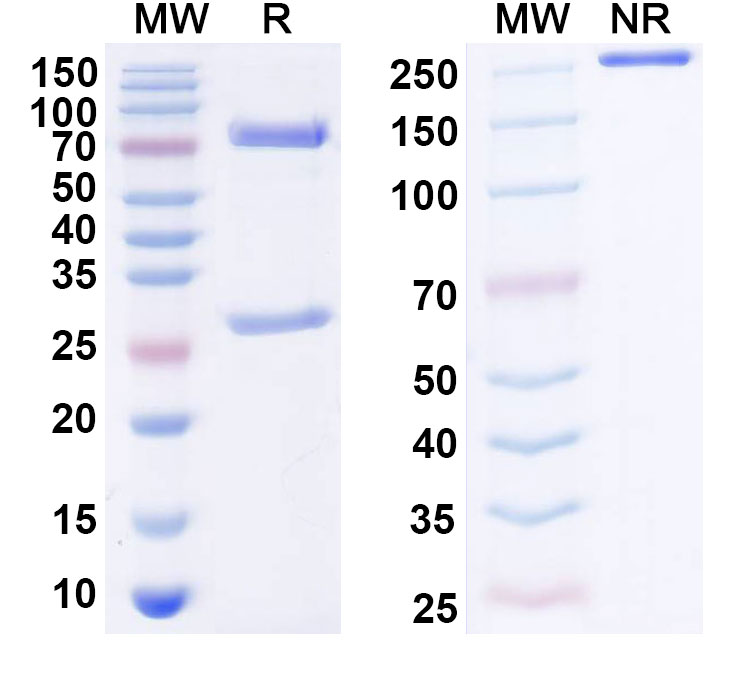
Anti-Human TGFB1/TGF-beta-1 Antibody is a recombinant monoclonal antibody that is produced in a mammalian expression system. It is composed of two heavy chains and two light chains, each containing a variable region that specifically binds to TGFB1. The antibody has a molecular weight of approximately 150 kDa and belongs to the immunoglobulin G (IgG) class.
Mechanism of Action
TGFB1 is a cytokine that plays a crucial role in various cellular processes, including cell growth, differentiation, and immune response. It is also involved in the development and progression of many diseases, such as cancer, fibrosis, and autoimmune disorders. Anti-Human TGFB1/TGF-beta-1 Antibody binds to TGFB1 and blocks its interaction with its receptors, thereby inhibiting its downstream signaling pathways. This leads to a decrease in the production of pro-inflammatory cytokines and an increase in anti-inflammatory cytokines, resulting in the modulation of immune response and the suppression of disease progression.
Therapeutic Target
Anti-Human TGFB1/TGF-beta-1 Antibody is a promising therapeutic target for various diseases, especially those involving dysregulated TGFB1 signaling. In cancer, TGFB1 promotes tumor growth and metastasis by suppressing the immune response and promoting angiogenesis. Therefore, blocking TGFB1 with Anti-Human TGFB1/TGF-beta-1 Antibody can potentially inhibit tumor growth and improve the efficacy of cancer treatment. In fibrotic diseases, TGFB1 promotes the accumulation of extracellular matrix, leading to tissue scarring and organ dysfunction. By targeting TGFB1, Anti-Human TGFB1/TGF-beta-1 Antibody can potentially prevent or reverse fibrosis and improve organ function. Additionally, TGFB1 is also involved in the pathogenesis of autoimmune diseases, and Anti-Human TGFB1/TGF-beta-1 Antibody has shown promising results in preclinical studies as a potential treatment for these conditions.
Research Use
Anti-Human TGFB1/TGF-beta-1 Antibody is a valuable tool for research use, as it allows for the specific and targeted inhibition of TGFB1 in in vitro and in vivo studies. It has been used in various research applications, such as cell culture experiments, animal models, and clinical trials. Its high specificity and potency make it a reliable tool for studying the role of TGFB1 in different diseases and for identifying potential therapeutic targets.
Application of Anti-Human TGFB1/TGF-beta-1 Antibody
Anti-Human TGFB1/TGF-beta-1 Antibody has shown promising results in preclinical studies and is currently being evaluated in clinical trials for various diseases, including cancer, fibrosis, and autoimmune disorders. Its potential as a therapeutic agent lies in its ability to specifically target TGFB1, a key player in the pathogenesis of these diseases. By inhibiting TGFB1, Anti-Human TGFB1/TGF-beta-1 Antibody has the potential to improve patient outcomes and provide a new treatment option for these conditions.
Conclusion
In summary, Anti-Human TGFB1/TGF-beta-1 Antibody is a highly specific and potent monoclonal antibody that targets TGFB1, a key cytokine involved in the development and progression of various diseases. Its mechanism of action, therapeutic target, and potential applications make it a valuable tool for both research and clinical use.

There are no reviews yet.