Introduction to Anti-Human UPK3A Monoclonal Antibody (1A494)
Anti-Human UPK3A Monoclonal Antibody (1A494) is a highly specific antibody that targets the UPK3A protein in human cells. This antibody is produced through the process of monoclonal antibody development, which involves the isolation and cloning of a single type of antibody-producing cell. The resulting monoclonal antibody is then purified and used for various research and diagnostic purposes.
Structure of Anti-Human UPK3A Monoclonal Antibody (1A494)
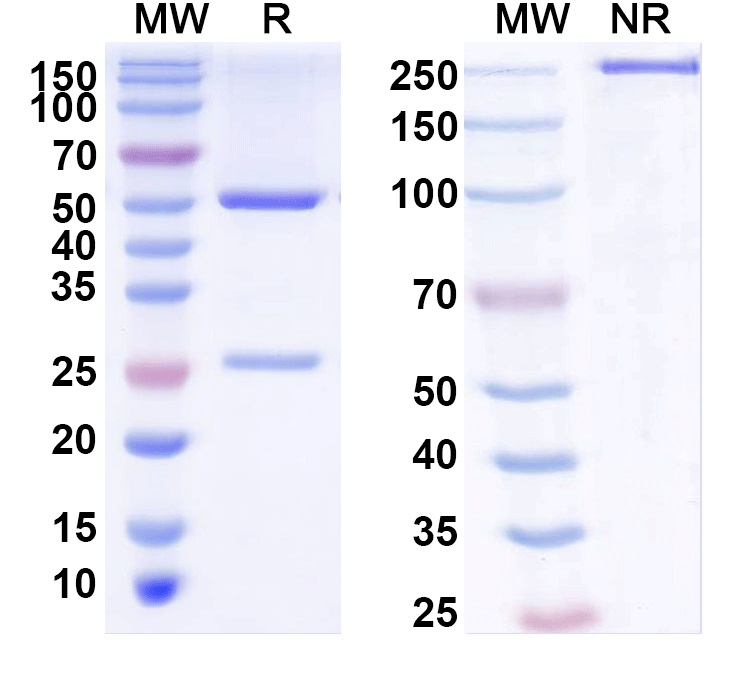
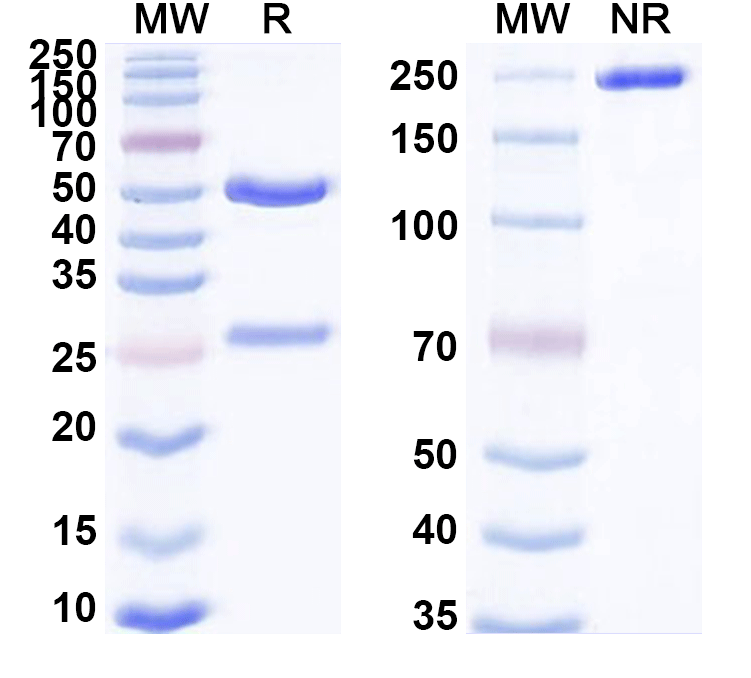
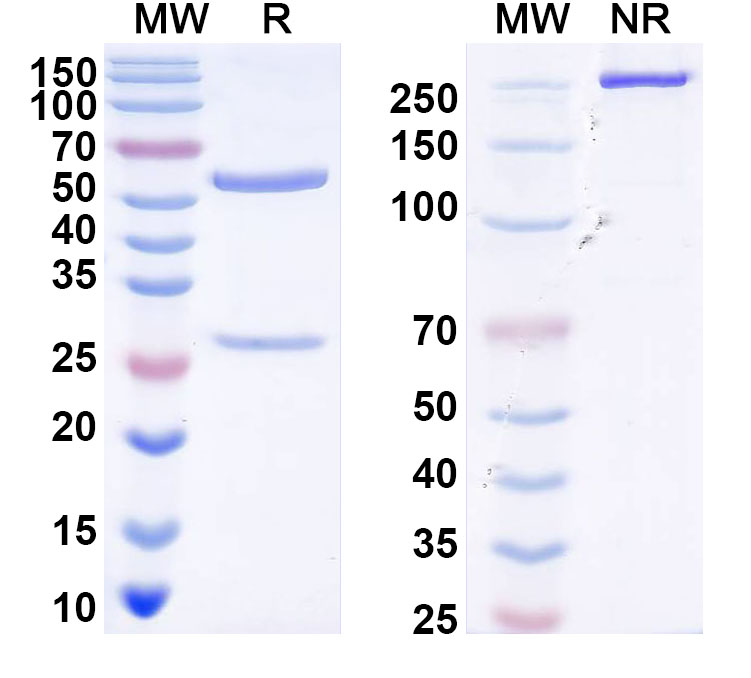
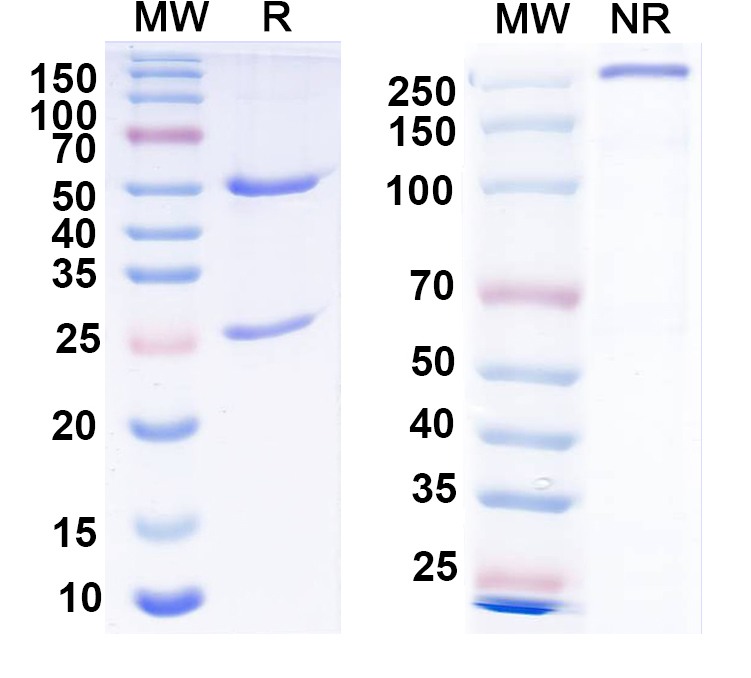
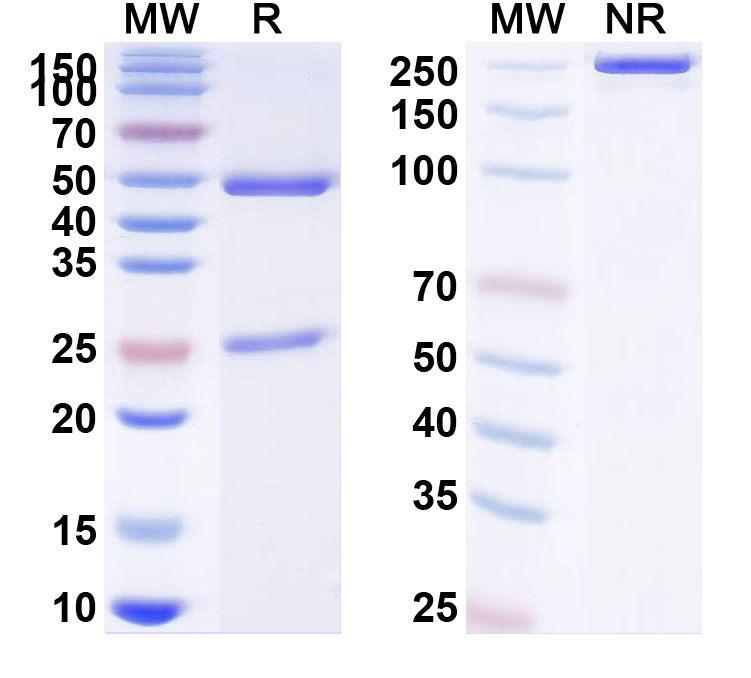
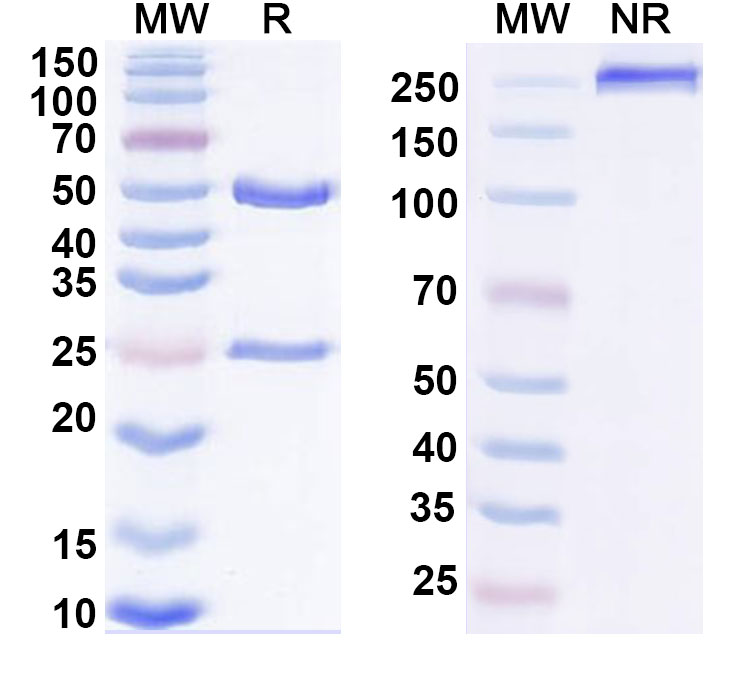
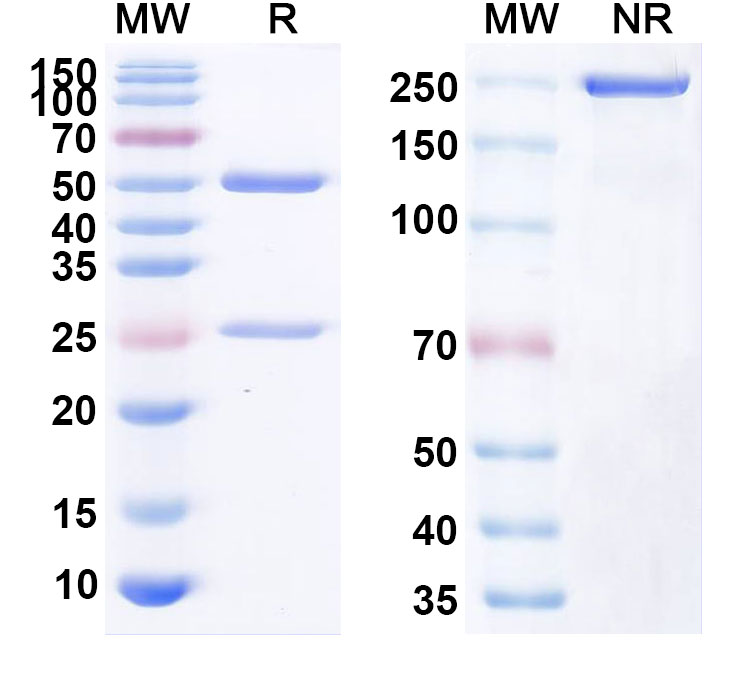
The Anti-Human UPK3A Monoclonal Antibody (1A494) is a type of immunoglobulin G (IgG) antibody, which is the most abundant class of antibodies found in the human body. It is composed of two heavy chains and two light chains, each with a variable region that recognizes and binds specifically to the UPK3A protein. The variable regions are connected to constant regions, which are responsible for the antibody’s effector functions such as activating the immune system to destroy the target protein.
The structure of Anti-Human UPK3A Monoclonal Antibody (1A494) is crucial for its specificity and activity. The variable regions of the antibody are highly diverse and can recognize a specific target, while the constant regions determine the type of immune response that will be triggered.
Activity of Anti-Human UPK3A Monoclonal Antibody (1A494)
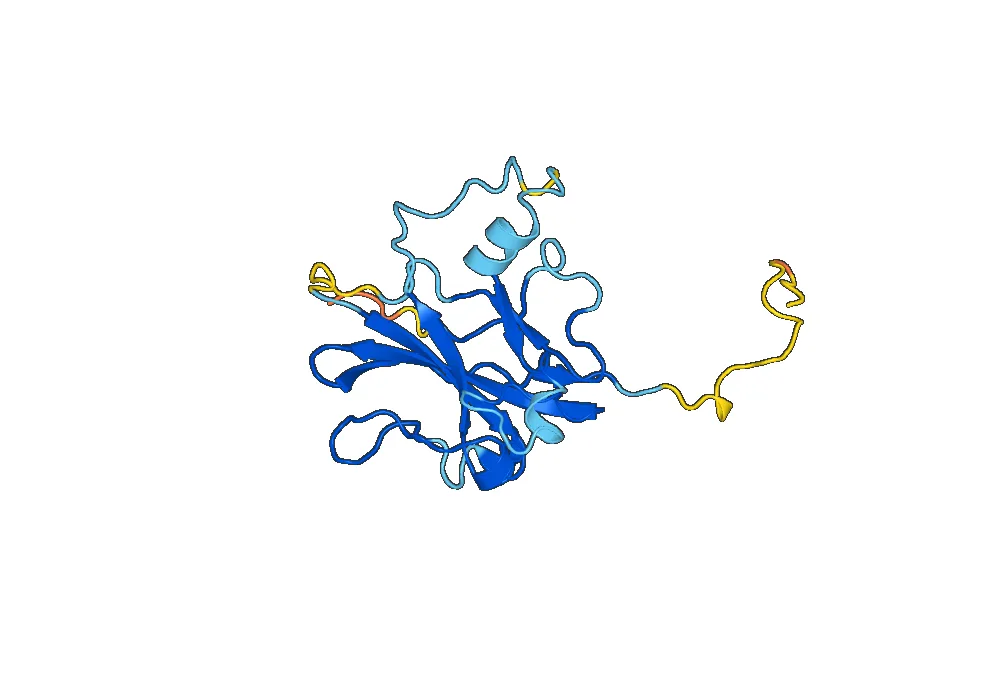
The main activity of Anti-Human UPK3A Monoclonal Antibody (1A494) is to bind to the UPK3A protein and prevent it from carrying out its normal functions. UPK3A is a protein that is primarily found in the urothelium, which is the lining of the urinary tract. It plays a role in maintaining the integrity and function of the urothelium.
However, in certain diseases such as bladder cancer, UPK3A is overexpressed and can contribute to tumor growth and progression. By binding to UPK3A, Anti-Human UPK3A Monoclonal Antibody (1A494) can inhibit its activity and potentially slow down the progression of bladder cancer.
In addition to its inhibitory activity, Anti-Human UPK3A Monoclonal Antibody (1A494) can also be used as a diagnostic tool. It can be labeled with a fluorescent or radioactive tag and used to detect the presence of UPK3A in tissue samples, providing valuable information for cancer diagnosis and prognosis.
Application of Anti-Human UPK3A Monoclonal Antibody (1A494)
The primary application of Anti-Human UPK3A Monoclonal Antibody (1A494) is in cancer research, particularly in the study of bladder cancer. Its ability to specifically target UPK3A makes it a valuable tool for understanding the role of this protein in cancer development and progression. It can also be used in drug development, as targeting UPK3A with this antibody may be a potential therapeutic strategy for bladder cancer treatment.
In addition to cancer research, Anti-Human UPK3A Monoclonal Antibody (1A494) may also have applications in other diseases and conditions where UPK3A is involved. This includes urinary tract infections, kidney diseases, and other urological disorders.
Conclusion
Anti-Human UPK3A Monoclonal Antibody (1A494) is a highly specific antibody that targets the UPK3A protein. Its structure and activity make it a valuable tool for cancer research and diagnosis. With its potential for therapeutic applications, this antibody has the potential to contribute to the development of new treatments for bladder cancer and other urological diseases.
There are no reviews yet.