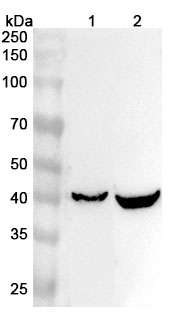
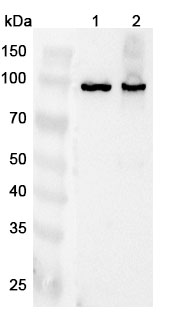
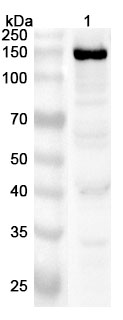
The Anti-mgpA Polyclonal Antibody is a highly specific and sensitive tool for detecting the presence of MgpA protein in various biological samples. This antibody is produced using advanced biotechnology techniques and has been extensively validated for its accuracy and reliability.
Biological Function:
MgpA (Major Glycoprotein A) is a key protein involved in the formation of bacterial biofilms. Biofilms are complex structures formed by bacteria that adhere to surfaces and protect them from environmental stresses. MgpA plays a crucial role in the development and maintenance of these biofilms, making it an important target for research in the field of microbiology.
Main Applications:
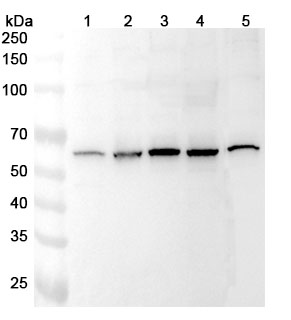
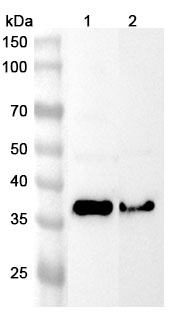
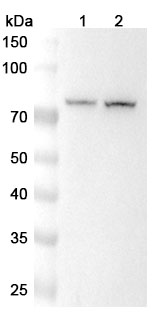
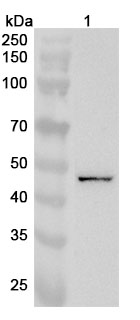
The Anti-mgpA Polyclonal Antibody is primarily used for research purposes in the field of biotechnology and microbiology. It can be used for various applications such as Western blotting, ELISA, and immunofluorescence assays. This antibody is also suitable for use in various model organisms, including bacteria and mammalian cells.
Experimental Use Cases:
The Anti-mgpA Polyclonal Antibody has been successfully used in a wide range of experimental studies. It has been used to study the role of MgpA in biofilm formation and its potential as a therapeutic target for treating bacterial infections. Additionally, this antibody has been used in studies investigating the mechanisms of antibiotic resistance in bacteria.
With its high specificity and sensitivity, the Anti-mgpA Polyclonal Antibody is an essential tool for researchers studying biofilms and bacterial infections. Its reliable performance and versatility make it a valuable asset in any laboratory setting.
Keywords: Anti-mgpA Polyclonal Antibody, MgpA protein, bacterial biofilms, biotechnology, microbiology, Western blotting, ELISA, immunofluorescence assays, therapeutic target, antibiotic resistance, bacterial infections, specificity, sensitivity, reliability, versatility, laboratory.


There are no reviews yet.