Anti-Phosphoprotein Polyclonal Antibody
The Anti-Phosphoprotein Polyclonal Antibody is a powerful tool for studying the role of phosphorylation in cellular signaling pathways. This highly specific antibody targets phosphorylated proteins, allowing for the detection and analysis of phosphorylation events in a variety of biological samples.
Biological Function:
Phosphorylation is a critical post-translational modification that plays a crucial role in regulating protein function and cellular signaling. By adding a phosphate group to specific amino acid residues, phosphorylation can activate or deactivate proteins, alter their stability, and regulate their interactions with other molecules. The Anti-Phosphoprotein Polyclonal Antibody recognizes and binds to phosphorylated proteins, providing researchers with a valuable tool for studying the dynamic nature of phosphorylation in various biological processes.
Main Applications:
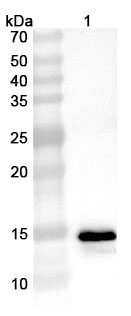
The Anti-Phosphoprotein Polyclonal Antibody is commonly used in a wide range of research areas, including cell signaling, cancer biology, and drug discovery. It is particularly useful for studying protein phosphorylation in complex biological systems, such as cell lysates, tissue samples, and whole organisms. This antibody is also suitable for use in a variety of techniques, including western blotting, immunohistochemistry, and flow cytometry.
Experimental Use Cases:
The Anti-Phosphoprotein Polyclonal Antibody has been successfully used in numerous studies to investigate the role of phosphorylation in various biological processes. For example, researchers have used this antibody to identify and quantify the phosphorylation levels of specific proteins in cancer cells, providing valuable insights into the mechanisms underlying tumor growth and progression. In another study, this antibody was used to study the effects of a potential drug on the phosphorylation status of a key signaling protein, revealing its potential as a therapeutic target.
In summary, the Anti-Phosphoprotein Polyclonal Antibody is a highly specific and versatile tool for studying phosphorylation in biological systems. Its ability to detect and analyze phosphorylated proteins makes it an essential reagent for researchers interested in understanding the complex mechanisms of cellular signaling. With its wide range of applications and proven success in various experimental settings, this antibody is a valuable addition to any biotech laboratory. Order now to advance your research and uncover new insights into the role of phosphorylation in health and disease.

There are no reviews yet.