Anti-SERPINE1 Polyclonal Antibody
The Anti-SERPINE1 Polyclonal Antibody is a highly specific and sensitive tool for detecting the presence of SERPINE1 protein in various biological samples. This antibody is produced using advanced biotechnology methods and has been extensively tested for its quality and performance.
Biological Function:
SERPINE1, also known as plasminogen activator inhibitor-1 (PAI-1), is a glycoprotein that plays a crucial role in regulating the activity of tissue plasminogen activator (tPA), a key enzyme involved in the breakdown of blood clots. SERPINE1 is primarily produced by endothelial cells and is involved in various physiological processes such as wound healing, inflammation, and cell migration.
Main Applications:
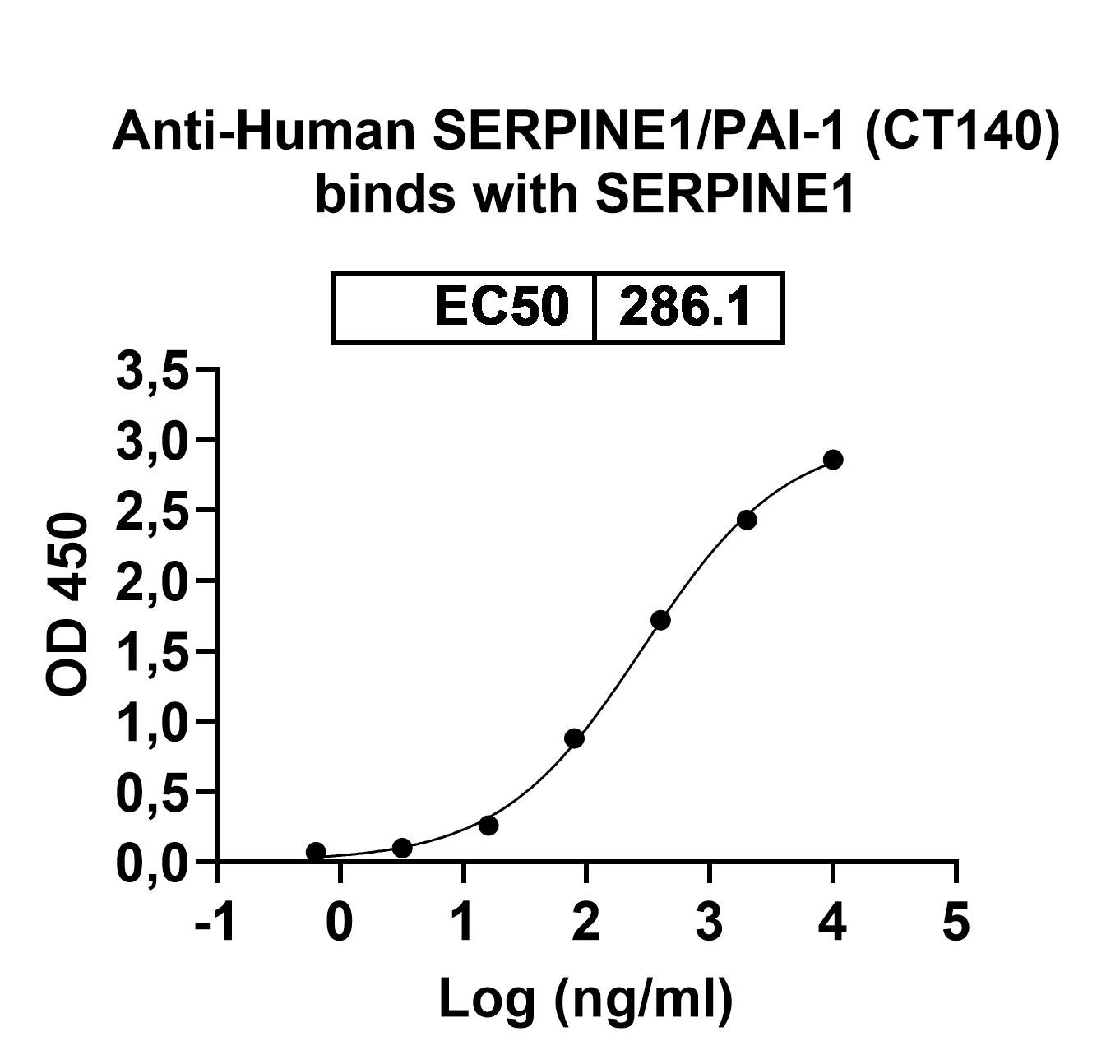
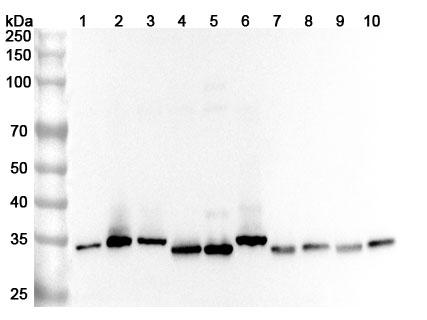
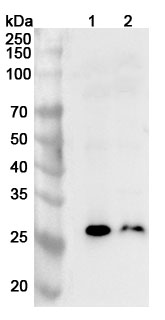
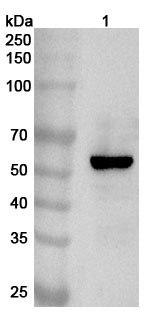
The Anti-SERPINE1 Polyclonal Antibody is a valuable tool for researchers studying the role of SERPINE1 in different biological processes. It can be used for immunohistochemistry, western blotting, and ELISA techniques to detect and quantify SERPINE1 protein levels in various tissues and cell lysates.
Experimental Use Cases:
1. In cancer research: SERPINE1 has been found to be overexpressed in various types of cancer, including breast, lung, and prostate cancer. The Anti-SERPINE1 Polyclonal Antibody can be used to study the role of SERPINE1 in tumor growth, invasion, and metastasis.
2. In cardiovascular studies: SERPINE1 has been implicated in the development of atherosclerosis and other cardiovascular diseases. The Anti-SERPINE1 Polyclonal Antibody can be used to investigate the role of SERPINE1 in these conditions and potentially identify new therapeutic targets.
3. In wound healing: SERPINE1 is known to play a critical role in the healing process of wounds. The Anti-SERPINE1 Polyclonal Antibody can be used to study the expression and localization of SERPINE1 in wound tissues, providing insights into the mechanisms of wound healing.
In conclusion, the Anti-SERPINE1 Polyclonal Antibody is a reliable and versatile tool for researchers studying the role of SERPINE1 in various biological processes. With its high specificity and sensitivity, this antibody can aid in the advancement of scientific knowledge and potentially contribute to the development of new treatments for diseases associated with SERPINE1 dysregulation.
Keywords: SERPINE1, plasminogen activator inhibitor-1, PAI-1, tissue plasminogen activator, cancer research, cardiovascular diseases, wound healing, immunohistochemistry, western blotting, ELISA, biotechnology, glycoprotein, endothelial cells, inflammation, cell migration.


There are no reviews yet.