Anti-SNAP-25 (BoTox-A Cleaved) Antibody (SAA2659) – Structure, Activity, and Application
Introduction
The Anti-SNAP-25 (BoTox-A Cleaved) Antibody (SAA2659) is a highly specific monoclonal antibody that targets the cleaved form of the SNAP-25 protein. This antibody has been extensively studied and has shown promising results in various research areas, including neuroscience and neuromuscular disorders. In this article, we will discuss the structure, activity, and application of this antibody in detail.
Structure of Anti-SNAP-25 (BoTox-A Cleaved) Antibody
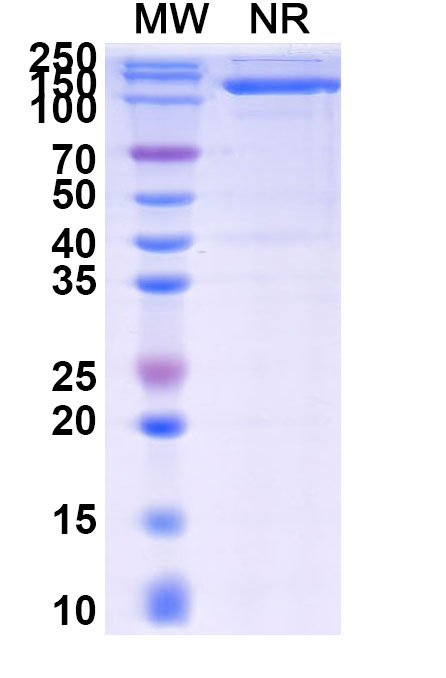
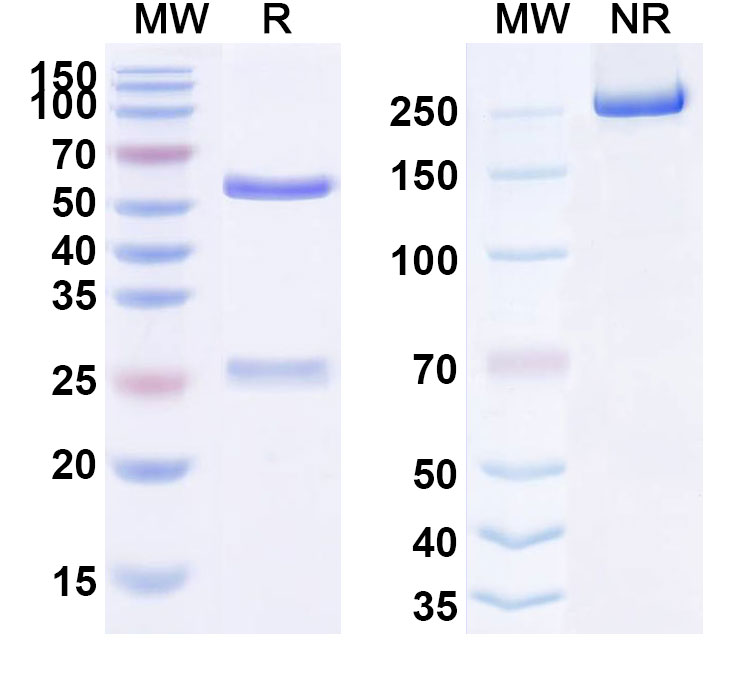
The Anti-SNAP-25 (BoTox-A Cleaved) Antibody is a monoclonal antibody, which means it is produced by a single clone of B cells and is therefore highly specific. It is a type of immunoglobulin G (IgG) antibody, with a molecular weight of approximately 150 kDa. The antibody is composed of two heavy chains and two light chains, connected by disulfide bonds. The heavy chains are responsible for binding to the target antigen, while the light chains help stabilize the structure of the antibody.
The variable region of the antibody, also known as the antigen-binding site, is responsible for recognizing and binding to the cleaved form of SNAP-25. This region is highly specific and only binds to the cleaved form of SNAP-25, making it an ideal tool for studying this protein.
Activity of Anti-SNAP-25 (BoTox-A Cleaved) Antibody
The Anti-SNAP-25 (BoTox-A Cleaved) Antibody has been shown to have high affinity and specificity for the cleaved form of SNAP-25. This means that it can effectively bind to this protein and prevent it from carrying out its normal function. SNAP-25 is a key component of the SNARE complex, which is responsible for the fusion of synaptic vesicles with the presynaptic membrane during neurotransmission. By binding to the cleaved form of SNAP-25, this antibody disrupts the SNARE complex and inhibits neurotransmission.
In addition to its inhibitory activity, the Anti-SNAP-25 (BoTox-A Cleaved) Antibody has also been shown to have neuroprotective effects. Studies have demonstrated that this antibody can protect neurons from the toxic effects of botulinum neurotoxin type A (BoTox-A), which cleaves SNAP-25 and causes neuromuscular paralysis. This neuroprotective activity makes the antibody a valuable tool for studying neuromuscular disorders and developing potential treatments.
Application of Anti-SNAP-25 (BoTox-A Cleaved) Antibody
The Anti-SNAP-25 (BoTox-A Cleaved) Antibody has a wide range of applications in scientific research. Its ability to specifically target and inhibit the cleaved form of SNAP-25 makes it a valuable tool for studying the role of this protein in various physiological and pathological processes.
One of the main applications of this antibody is in neuroscience research. By inhibiting SNAP-25, researchers can study the effects of neurotransmission on various cellular processes and behaviors. The antibody has also been used in studies of neuromuscular disorders, such as botulism and spasticity, to better understand the role of SNAP-25 in these conditions.
In addition, the Anti-SNAP-25 (BoTox-A Cleaved) Antibody has potential therapeutic applications. Its neuroprotective effects make it a promising candidate for the treatment of neuromuscular disorders caused by BoTox-A. It may also have potential in the treatment of other neurological conditions, such as epilepsy and Parkinson’s disease, which involve abnormal neurotransmission.
Conclusion
<p



There are no reviews yet.