Anti-VHSV Nucleoprotein Polyclonal Antibody: A Powerful Tool for Detecting and Studying Viral Infections
Introduction:
Anti-VHSV Nucleoprotein Polyclonal Antibody is a highly specific and sensitive tool for detecting and studying viral infections caused by the Viral Hemorrhagic Septicemia Virus (VHSV). This polyclonal antibody is derived from animal serum and has been extensively tested for its effectiveness in various experimental settings.
Biological Function:
The Anti-VHSV Nucleoprotein Polyclonal Antibody is designed to specifically bind to the nucleoprotein of VHSV, a key component of the virus responsible for its replication and spread. By targeting this protein, the antibody effectively inhibits viral replication and helps in the detection and study of VHSV infections.
Main Applications:
This powerful antibody has a wide range of applications in the field of biotechnology, including:
1. Diagnosis of VHSV Infections:
The Anti-VHSV Nucleoprotein Polyclonal Antibody is an essential tool for diagnosing VHSV infections. Its high specificity and sensitivity make it an ideal choice for detecting the presence of the virus in biological samples.
2. Vaccine Development:
The antibody can also be used in the development of vaccines against VHSV. By targeting the nucleoprotein, it helps in the identification of potential vaccine candidates and their effectiveness in preventing VHSV infections.
3. Research on VHSV:
The Anti-VHSV Nucleoprotein Polyclonal Antibody is widely used in research studies to understand the mechanisms of VHSV infection and develop effective treatments. Its ability to specifically bind to the nucleoprotein allows researchers to study the virus’s behavior and its interaction with host cells.
Experimental Use Cases:
The Anti-VHSV Nucleoprotein Polyclonal Antibody has been successfully used in various experimental settings, including:
1. ELISA:
The antibody can be used in ELISA (Enzyme-Linked Immunosorbent Assay) to detect the presence of VHSV in biological samples. Its high sensitivity and specificity make it a reliable tool for accurate diagnosis.
2. Western Blot:
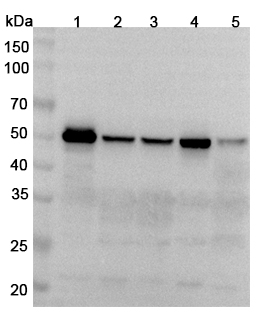
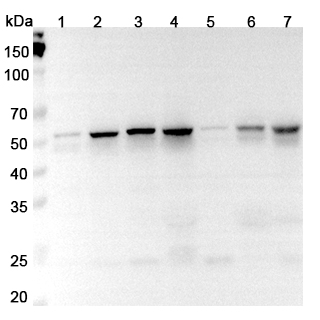
In Western Blot analysis, the antibody can be used to detect the presence of the nucleoprotein in VHSV-infected cells. This helps in understanding the virus’s behavior and its interaction with host cells.
3. Immunofluorescence:
The Anti-VHSV Nucleoprotein Polyclonal Antibody can also be used in immunofluorescence assays to study the localization of the nucleoprotein in infected cells. This allows for a better understanding of the virus’s replication and spread.
In conclusion, the Anti-VHSV Nucleoprotein Polyclonal Antibody is a highly specific and sensitive tool for detecting and studying VHSV infections. Its wide range of applications and successful use in various experimental settings make it an essential component in the fight against this deadly virus. Order now and take a step towards better understanding and controlling VHSV infections.

There are no reviews yet.