Introduction
Asparaginase Biosimilar – Research Grade is a recombinant form of the enzyme asparaginase, which is used in the treatment of various types of cancer. This biosimilar is produced using advanced biotechnology methods and is similar in structure and activity to the original asparaginase enzyme. In this article, we will explore the structure, activity and application of Asparaginase Biosimilar – Research Grade in detail.
Structure of Asparaginase Biosimilar – Research Grade
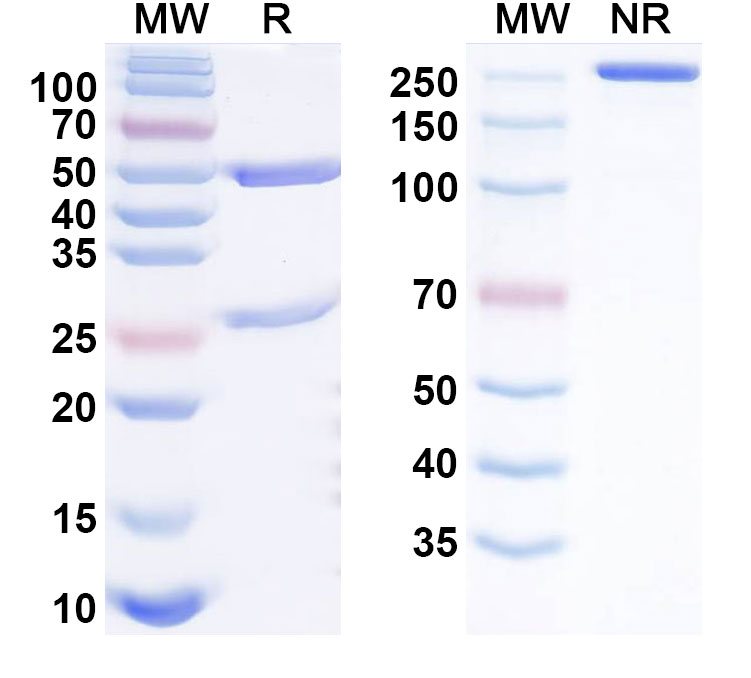
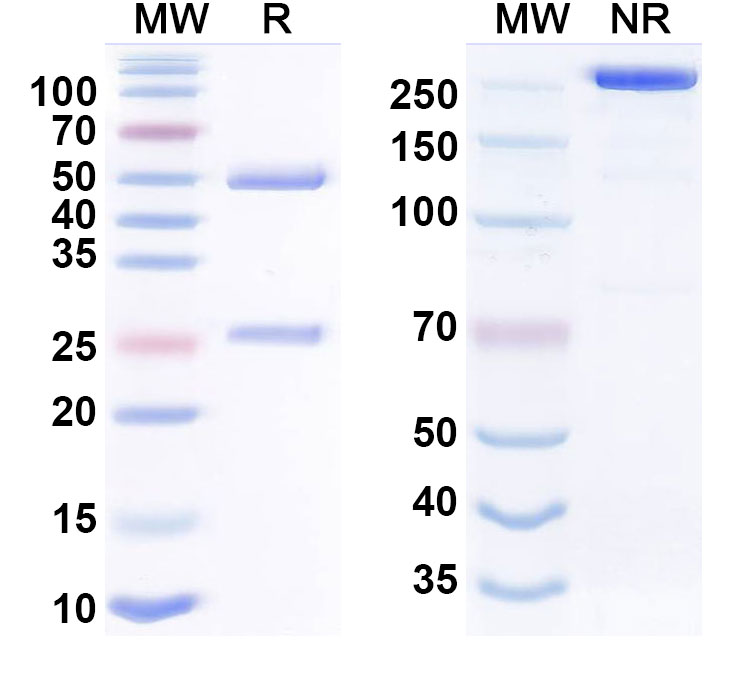
Asparaginase Biosimilar – Research Grade is a protein enzyme that is produced using recombinant DNA technology. It is a biosimilar version of the asparaginase enzyme, which is naturally produced by certain bacteria. The structure of Asparaginase Biosimilar – Research Grade is very similar to the original enzyme, with a few minor differences due to the production method.
The primary structure of Asparaginase Biosimilar – Research Grade consists of a chain of amino acids that are linked together in a specific sequence. This sequence is determined by the genetic code of the bacteria that produce the enzyme. The secondary structure of the enzyme is mainly composed of alpha helices and beta sheets, which give the enzyme its unique shape and stability.
The tertiary structure of Asparaginase Biosimilar – Research Grade is the three-dimensional arrangement of the amino acid chain. This structure is crucial for the enzyme’s activity as it determines the active site, where the enzyme binds to its substrate. The active site of Asparaginase Biosimilar – Research Grade is very similar to that of the original asparaginase enzyme, allowing it to perform the same function.
Activity of Asparaginase Biosimilar – Research Grade
The primary function of Asparaginase Biosimilar – Research Grade is to catalyze the hydrolysis of the amino acid asparagine into aspartic acid and ammonia. This activity is essential for the treatment of cancer as cancer cells require high levels of asparagine for their growth and survival. By depleting the asparagine levels, Asparaginase Biosimilar – Research Grade effectively inhibits the growth of cancer cells.
Asparaginase Biosimilar – Research Grade has been shown to have similar activity to the original asparaginase enzyme, making it an effective treatment option for various types of cancer. It has been extensively studied and has been found to have a high level of specificity, meaning it only targets cancer cells and does not affect healthy cells.
Application of Asparaginase Biosimilar – Research Grade
Asparaginase Biosimilar – Research Grade is primarily used in the treatment of acute lymphoblastic leukemia (ALL), a type of blood cancer that affects the white blood cells. It is also used in the treatment of other types of cancer, such as acute myeloid leukemia, non-Hodgkin’s lymphoma, and Hodgkin’s lymphoma.
The biosimilar is usually administered through intravenous infusion and is given in combination with other chemotherapy drugs. It is also available in a pegylated form, which has a longer half-life and requires less frequent dosing.
Asparaginase Biosimilar – Research Grade has been shown to be effective in both pediatric and adult patients with ALL. It is also well-tolerated, with minimal side effects compared to other chemotherapy drugs. However, some common side effects may include nausea, vomiting, and liver dysfunction.
Conclusion
Asparaginase Biosimilar – Research Grade is a highly effective and safe treatment option for various types of cancer. Its similar structure and activity to the original asparaginase enzyme make it a reliable biosimilar that can be used in place of the original enzyme. With ongoing research and advancements in biotechnology, Asparaginase Biosimilar – Research Grade is


There are no reviews yet.