Introduction
Avdoralimab is a biosimilar of the anti-C5AR1 monoclonal antibody (mAb) and is used as a research grade therapeutic agent. It binds to the C5AR1 receptor and inhibits its activity, making it a promising candidate for the treatment of various inflammatory and autoimmune diseases. In this article, we will discuss the structure, activity, and potential applications of Avdoralimab as a therapeutic agent.
Structure of Avdoralimab
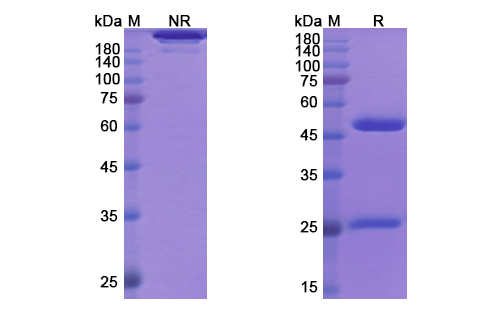
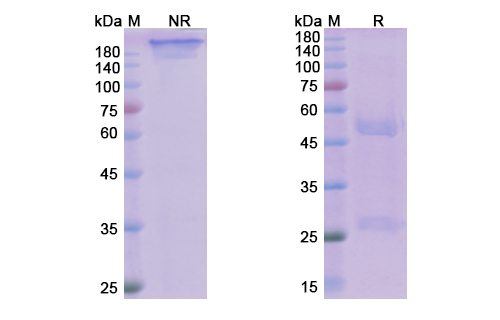
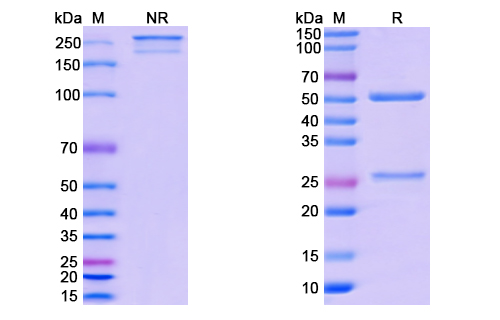
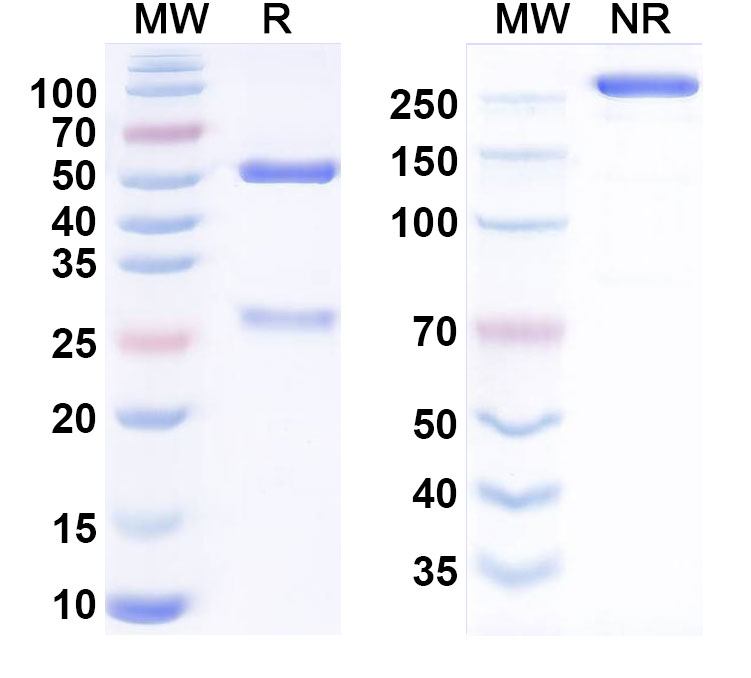
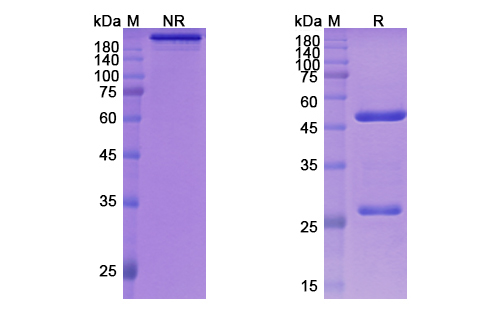
Avdoralimab is a recombinant, fully humanized IgG1 monoclonal antibody. It is composed of two heavy chains and two light chains, each containing variable and constant regions. The variable regions of the antibody are responsible for binding to the C5AR1 receptor, while the constant regions provide stability and effector functions.
Activity of Avdoralimab
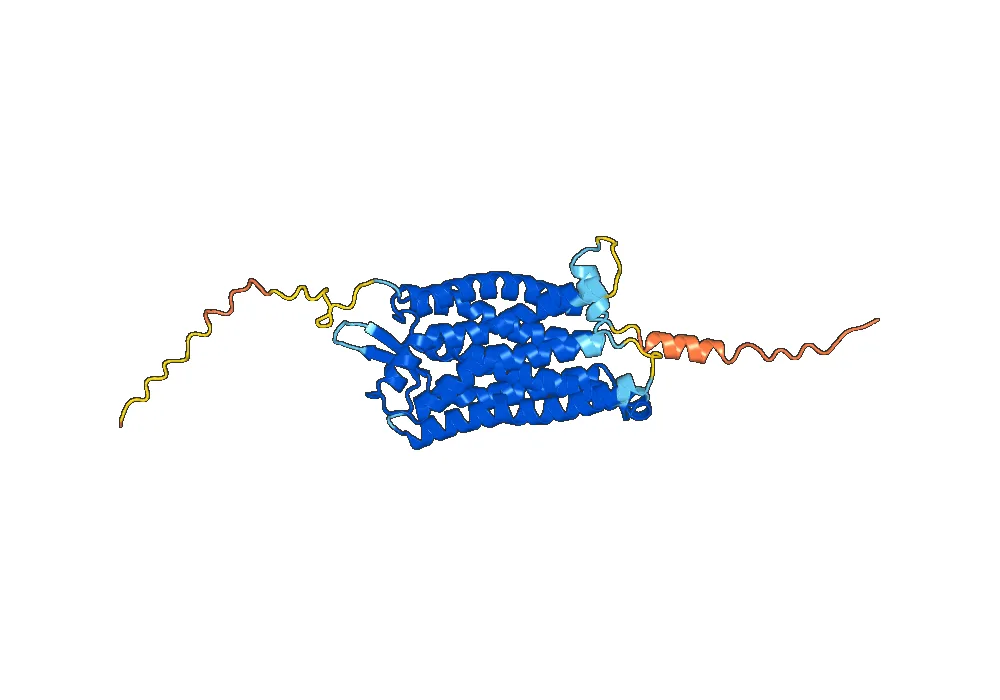
Avdoralimab binds specifically to the C5AR1 receptor, which is a G protein-coupled receptor (GPCR) expressed on various immune cells, including neutrophils, monocytes, and macrophages. Upon binding, Avdoralimab blocks the interaction of the C5AR1 receptor with its ligand, C5a. This prevents the downstream signaling cascade, which leads to the activation of immune cells and the release of pro-inflammatory cytokines. Therefore, Avdoralimab acts as an antagonist of the C5AR1 receptor and inhibits its pro-inflammatory activity.
Applications of Avdoralimab
As a research grade therapeutic agent, Avdoralimab has shown promising results in preclinical studies for the treatment of various inflammatory and autoimmune diseases. Some potential applications of Avdoralimab include:
Rheumatoid Arthritis Rheumatoid arthritis (RA) is a chronic autoimmune disease characterized by joint inflammation and destruction. The C5AR1 receptor has been implicated in the pathogenesis of RA, and its inhibition by Avdoralimab has shown to reduce joint inflammation and prevent joint destruction in animal models. Therefore, Avdoralimab has the potential to be a disease-modifying agent for the treatment of RA.
Psoriasis
Psoriasis is a chronic inflammatory skin disease characterized by red, scaly patches on the skin. The C5AR1 receptor has been found to be overexpressed in psoriatic skin lesions, and its inhibition by Avdoralimab has shown to reduce skin inflammation and improve clinical symptoms in preclinical studies. This makes Avdoralimab a potential therapeutic option for the treatment of psoriasis.
Inflammatory Bowel Disease
Inflammatory bowel disease (IBD) is a group of chronic inflammatory disorders of the gastrointestinal tract, including Crohn’s disease and ulcerative colitis. The C5AR1 receptor has been shown to play a role in the pathogenesis of IBD, and its inhibition by Avdoralimab has shown to reduce inflammation and improve clinical symptoms in animal models. Therefore, Avdoralimab has the potential to be a novel therapeutic agent for the treatment of IBD.
Other Inflammatory and Autoimmune Diseases
Besides the above-mentioned diseases, Avdoralimab has also shown potential in preclinical studies for the treatment of other inflammatory and autoimmune diseases, including systemic lupus erythematosus, multiple sclerosis, and asthma. These diseases also involve the dysregulation of the C5AR1 receptor, making Avdoralimab a promising therapeutic option.
Conclusion
In conclusion, Avdoralimab is a biosimilar of the anti-C5AR1 monoclonal antibody and acts as an antagonist of the C5AR1 receptor, inhibiting its pro-inflammatory activity. It has shown promising results in preclinical studies for the treatment of various inflammatory and autoimmune diseases, making it a potential therapeutic option for these conditions. Further clinical studies are needed to fully evaluate the safety and efficacy of Avd


There are no reviews yet.