Title: Understanding Bebtelovimab Biosimilar: An Anti-SARS-CoV-2 Spike Protein mAb for Research
Introduction
Bebtelovimab Biosimilar is a monoclonal antibody (mAb) that specifically targets the spike protein of the severe acute respiratory syndrome coronavirus 2 (SARS-CoV-2). This biosimilar is a promising therapeutic option for treating COVID-19, the respiratory illness caused by SARS-CoV-2. In this article, we will delve into the structure, activity, and potential applications of Bebtelovimab Biosimilar in research.
Structure of Bebtelovimab Biosimilar
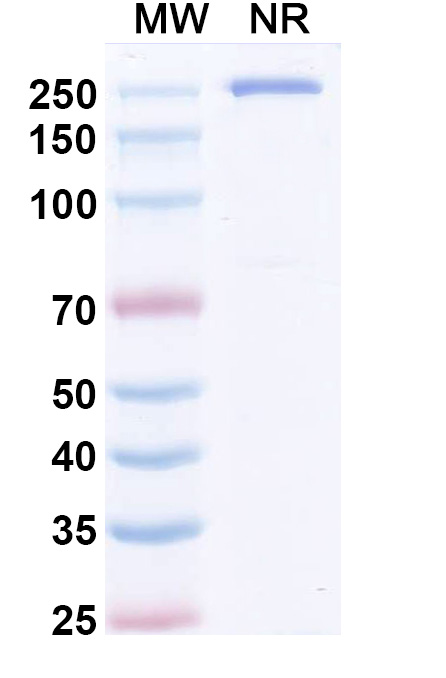
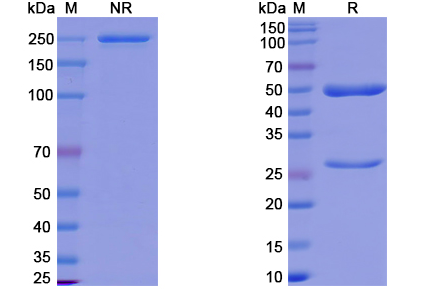
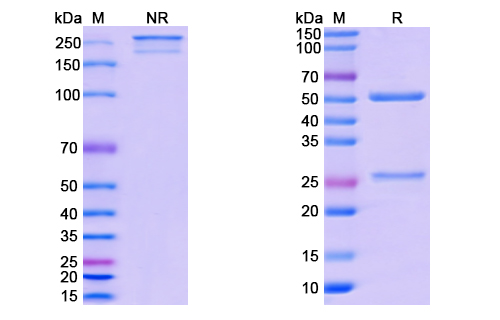
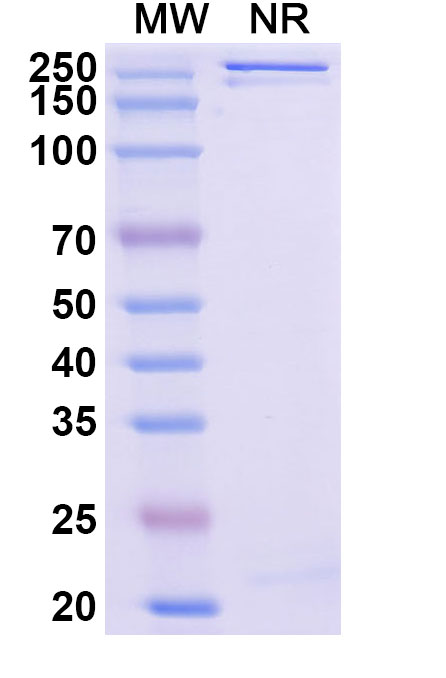
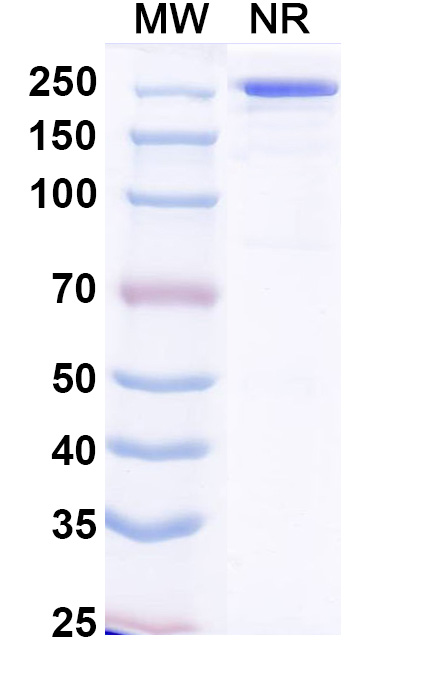
Bebtelovimab Biosimilar is a recombinant humanized IgG1 monoclonal antibody, meaning it is derived from human antibody sequences and has been modified to reduce immunogenicity. It has a molecular weight of approximately 150 kDa and is composed of two heavy chains and two light chains. The antibody has a Y-shaped structure, with two antigen-binding fragments (Fab) and one crystallizable fragment (Fc). The Fab region is responsible for binding to the target antigen, while the Fc region mediates effector functions such as antibody-dependent cellular cytotoxicity (ADCC) and complement-dependent cytotoxicity (CDC).
Activity of Bebtelovimab Biosimilar
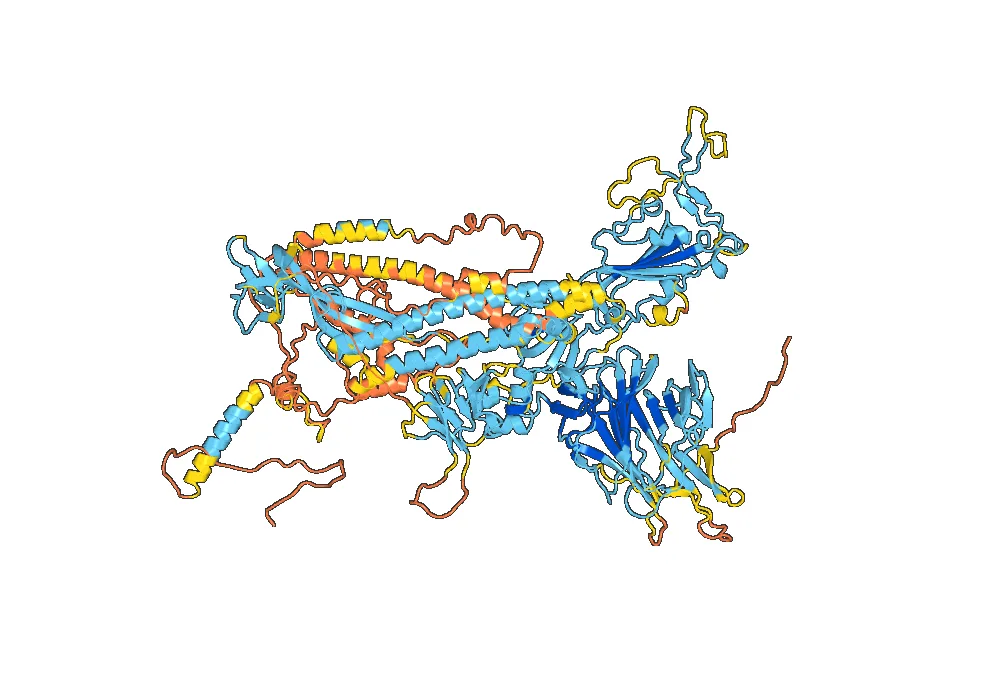
Bebtelovimab Biosimilar targets the spike protein of SARS-CoV-2, which is essential for viral entry into host cells. The spike protein consists of two subunits, S1 and S2, with the receptor-binding domain (RBD) located in the S1 subunit. The RBD is responsible for binding to the angiotensin-converting enzyme 2 (ACE2) receptor on human cells, facilitating viral entry. Bebtelovimab Biosimilar binds to the RBD of the spike protein, preventing it from interacting with the ACE2 receptor and thereby blocking viral entry.
In addition to direct neutralization of the virus, Bebtelovimab Biosimilar also has the potential to activate the immune system through its Fc region. This can lead to the recruitment of immune cells, such as natural killer cells and macrophages, to eliminate virus-infected cells. Furthermore, Bebtelovimab Biosimilar can also induce the production of cytokines, which are important for coordinating the immune response against the virus.
Applications in Research
Bebtelovimab Biosimilar is currently being studied as a potential therapeutic option for COVID-19. It is being evaluated in clinical trials for its safety and efficacy in treating patients with mild to moderate symptoms of COVID-19. Additionally, Bebtelovimab Biosimilar is also being investigated as a prophylactic treatment for high-risk individuals, such as healthcare workers, to prevent infection with SARS-CoV-2.
Apart from its potential therapeutic applications, Bebtelovimab Biosimilar also has potential research uses. The antibody can be used in laboratory experiments to study the interaction between the spike protein and the ACE2 receptor, as well as the mechanisms of viral entry and neutralization. It can also be used to develop diagnostic tests for SARS-CoV-2, such as enzyme-linked immunosorbent assays (ELISAs) and lateral flow assays, to detect the presence of the virus or antibodies against it in patient samples.
Conclusion
In conclusion, Bebtelovimab Biosimilar is a promising anti-SARS-CoV-2 spike protein mAb that has the potential to be used as a therapeutic agent and research tool. Its specific targeting of the spike protein and potential immunomodulatory effects make it a valuable addition to the fight against COVID-19. With ongoing research and clinical trials, Bebtelovimab Biosimilar may prove to be a crucial weapon in our arsenal against the current pandemic.


There are no reviews yet.