Introduction
Davutamig Biosimilar – Anti-Tyrosine-protein kinase Met mAb – Research Grade is a monoclonal antibody that specifically targets the tyrosine-protein kinase Met, also known as the Met receptor. This biosimilar is designed to mimic the activity of the original antibody, providing a cost-effective and efficient alternative for research purposes.
Structure
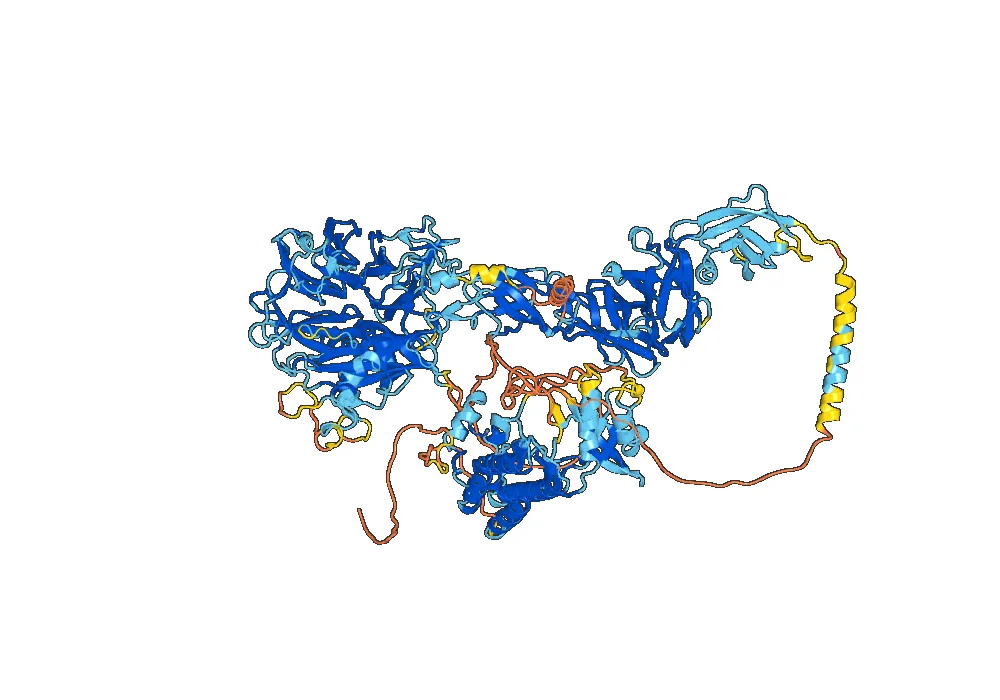
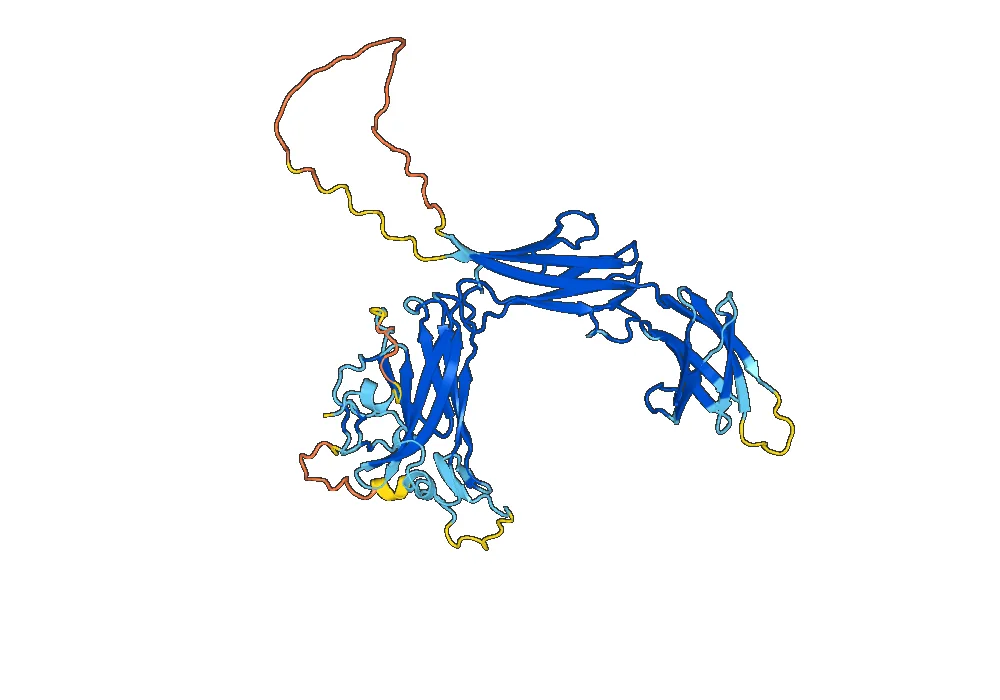
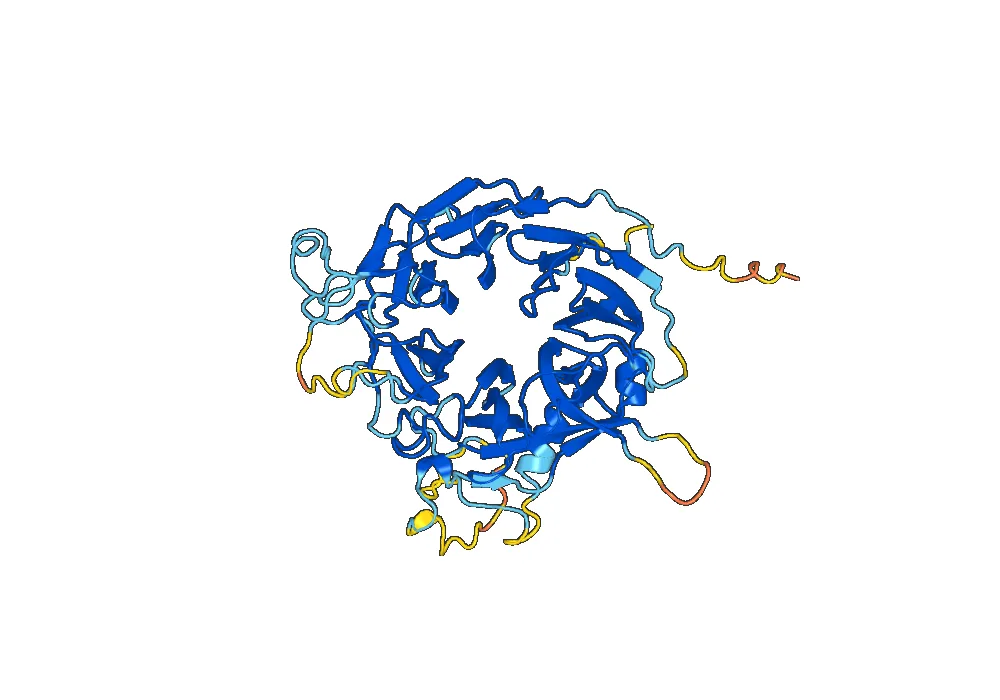
The Davutamig Biosimilar – Anti-Tyrosine-protein kinase Met mAb – Research Grade is a recombinant monoclonal antibody that is produced using a combination of genetic engineering and cell culture techniques. It is a fully human antibody, meaning that it is derived from human cells and is less likely to cause an immune response in the body.
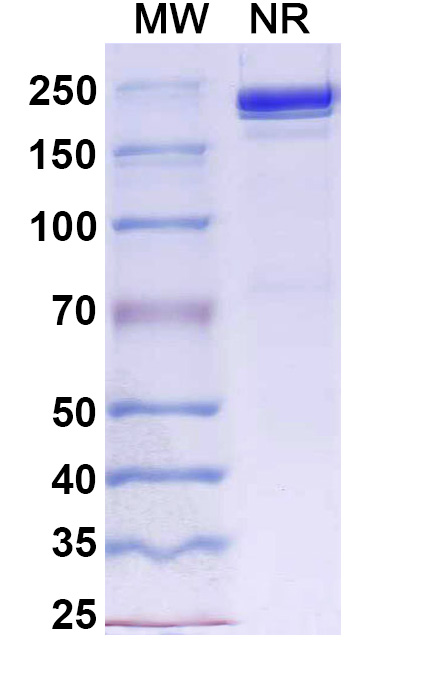
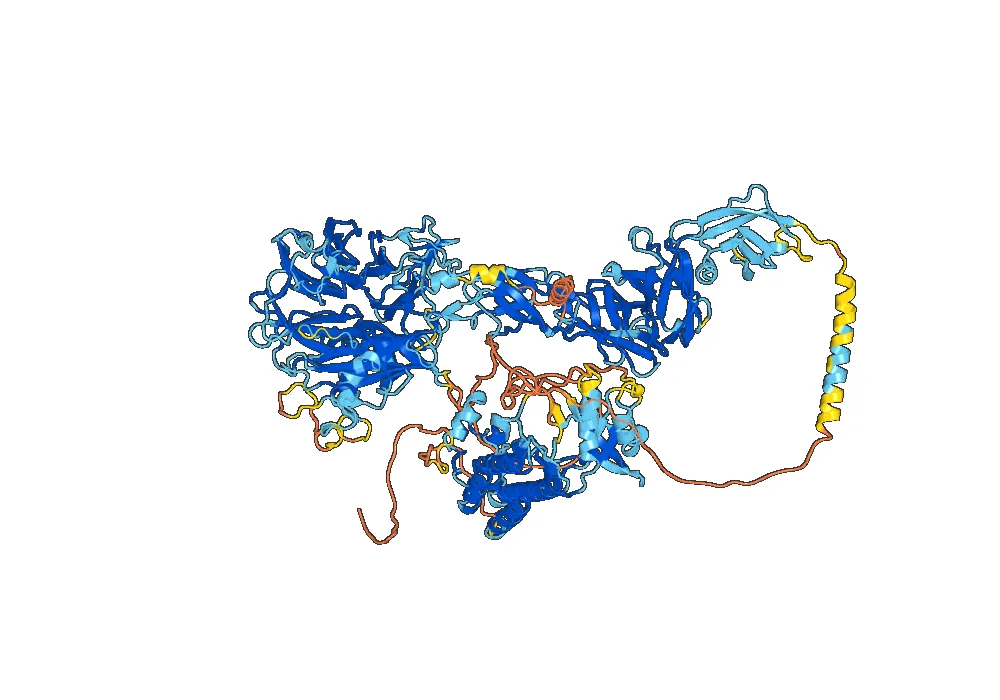
The antibody has a molecular weight of approximately 150 kDa and is composed of two heavy chains and two light chains. The heavy chains are made up of four constant regions and one variable region, while the light chains have one constant and one variable region. The variable regions are responsible for binding to the target protein, Met, while the constant regions provide stability and effector functions.
Activity
The main function of Davutamig Biosimilar – Anti-Tyrosine-protein kinase Met mAb – Research Grade is to specifically bind to the Met receptor and inhibit its activity. The Met receptor is a transmembrane protein that plays a crucial role in cell growth, survival, and migration. Overexpression or dysregulation of Met has been linked to various cancers, making it an important therapeutic target.
By binding to Met, this biosimilar prevents the activation of downstream signaling pathways that promote cancer cell growth and survival. It also induces antibody-dependent cellular cytotoxicity (ADCC), where immune cells recognize and kill the cancer cells that have been marked by the antibody. This dual mechanism of action makes Davutamig Biosimilar – Anti-Tyrosine-protein kinase Met mAb – Research Grade a promising candidate for cancer treatment.
Application
Davutamig Biosimilar – Anti-Tyrosine-protein kinase Met mAb – Research Grade has various applications in the field of cancer research. It can be used to study the role of Met in different cancer types and to validate Met as a potential therapeutic target. The biosimilar can also be used in preclinical studies to evaluate its efficacy and safety in treating cancer.
Moreover, Davutamig Biosimilar – Anti-Tyrosine-protein kinase Met mAb – Research Grade can be used in combination with other cancer therapies, such as chemotherapy and radiation, to enhance their effectiveness. It may also have potential applications in other diseases where Met plays a role, such as non-small cell lung cancer and liver fibrosis.
Conclusion
In summary, Davutamig Biosimilar – Anti-Tyrosine-protein kinase Met mAb – Research Grade is a recombinant monoclonal antibody that specifically targets the Met receptor, a key player in cancer development and progression. Its structure, activity, and applications make it a valuable tool for cancer research and potential therapeutic use. This biosimilar provides a cost-effective and efficient alternative to the original antibody, making it accessible to a wider range of researchers and clinicians. Its potential to improve cancer treatment and patient outcomes makes it a promising candidate in the field of oncology.


There are no reviews yet.