Introduction
Efprezimod alfa Biosimilar – Research Grade is a biosimilar drug that has been developed as a potential treatment for various inflammatory diseases. It is a recombinant protein that mimics the structure and function of the human protein efprezimod alfa, which plays a crucial role in modulating the immune response. In this article, we will explore the structure, activity, and potential applications of Efprezimod alfa Biosimilar – Research Grade as a therapeutic target for inflammatory diseases.
Structure of Efprezimod alfa Biosimilar – Research Grade
Efprezimod alfa Biosimilar – Research Grade is a complex protein that is produced through recombinant DNA technology. It is a biosimilar of the drug efprezimod alfa, which is a naturally occurring protein in the human body. The structure of Efprezimod alfa Biosimilar – Research Grade closely resembles that of the human protein, with a high degree of similarity in amino acid sequence and folding pattern.
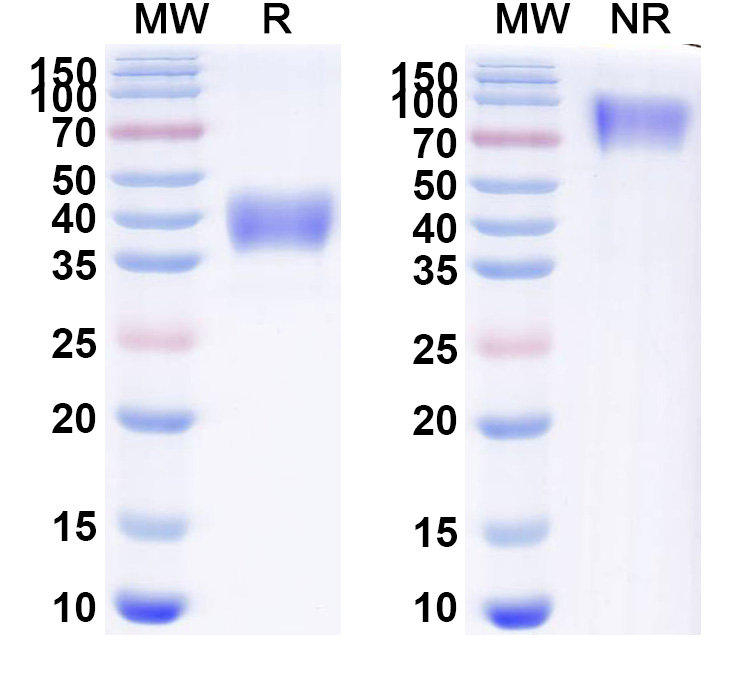
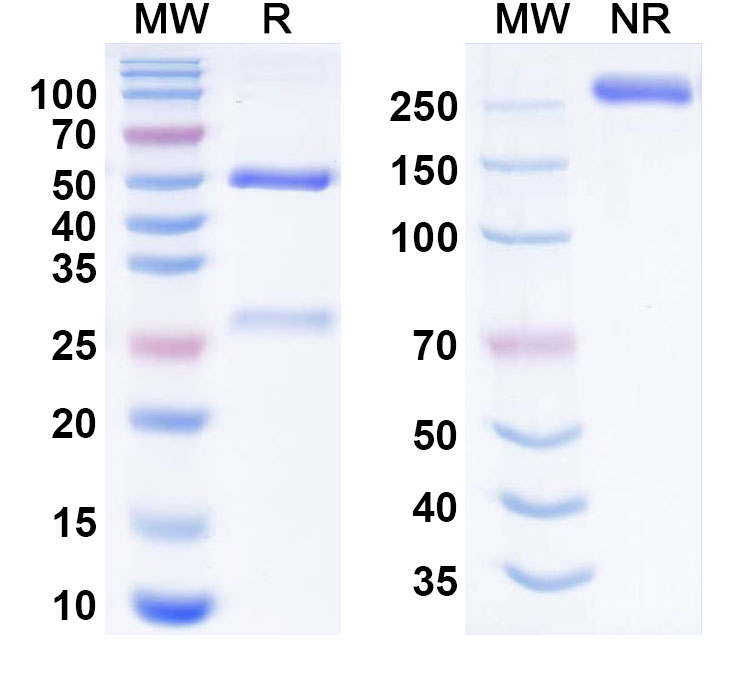
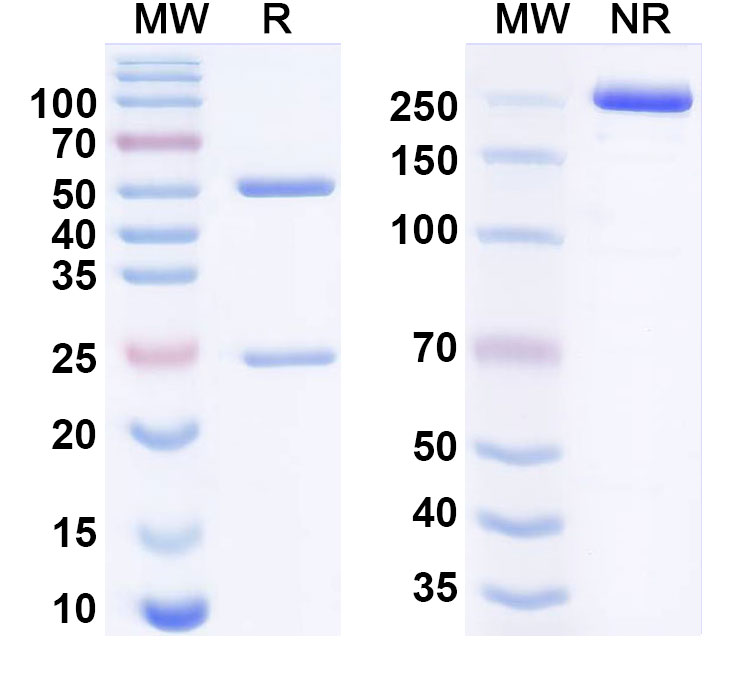
The protein consists of 182 amino acids and has a molecular weight of approximately 20 kDa. It is composed of two identical subunits, each containing a single chain of 91 amino acids. The primary structure of Efprezimod alfa Biosimilar – Research Grade is highly conserved, with only a few amino acid differences from the human protein.
The tertiary structure of Efprezimod alfa Biosimilar – Research Grade is crucial for its activity as a therapeutic target. It contains two disulfide bonds that stabilize the protein structure and a hydrophobic core that maintains its overall conformation. The protein also has a flexible loop region that is responsible for binding to its receptor and initiating its biological activity.
Activity of Efprezimod alfa Biosimilar – Research Grade
Efprezimod alfa Biosimilar – Research Grade acts as an immunomodulator by binding to its receptor, which is present on the surface of immune cells. This interaction triggers a signaling cascade that leads to the activation of various immune cells, such as T cells, B cells, and natural killer cells.
The activation of these immune cells results in the production of cytokines, which are small proteins that regulate the immune response. Efprezimod alfa Biosimilar – Research Grade specifically increases the production of anti-inflammatory cytokines, such as interleukin-10, while decreasing the production of pro-inflammatory cytokines, such as tumor necrosis factor-alpha.
Moreover, Efprezimod alfa Biosimilar – Research Grade also has a direct effect on immune cells by promoting their survival and proliferation. This leads to an overall modulation of the immune response, which can be beneficial in the treatment of inflammatory diseases.
Application as a Therapeutic Target
Efprezimod alfa Biosimilar – Research Grade has shown promising results in preclinical studies as a potential treatment for various inflammatory diseases, such as rheumatoid arthritis, psoriasis, and inflammatory bowel disease. These diseases are characterized by an overactive immune response, and Efprezimod alfa Biosimilar – Research Grade can help regulate this response, leading to a reduction in inflammation and symptoms.
In addition, Efprezimod alfa Biosimilar – Research Grade has a favorable safety profile, with no significant adverse effects reported in clinical trials. This makes it a promising alternative to current treatments, which often have significant side effects.
Currently, Efprezimod alfa Biosimilar – Research Grade is in the final stages of clinical development and is expected to receive approval for the treatment of inflammatory diseases in the near future. Its availability as a biosimilar will also make it more accessible and affordable for patients in need.
Conclusion
Efprezimod alfa Biosimilar – Research Grade is a promising therapeutic target for inflammatory diseases. Its structural similarity


There are no reviews yet.