Introduction
Fepixnebart Biosimilar, also known as Anti-TGFalpha mAb, is a research grade monoclonal antibody that has been developed as a potential therapeutic agent for various diseases. This biosimilar is a promising candidate due to its ability to specifically target and inhibit the activity of Transforming Growth Factor alpha (TGFα), a cytokine that plays a crucial role in cell proliferation and differentiation. In this article, we will discuss the structure, activity, and potential applications of Fepixnebart Biosimilar.
Structure of Fepixnebart Biosimilar
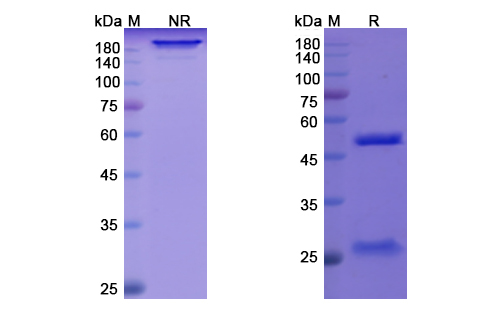
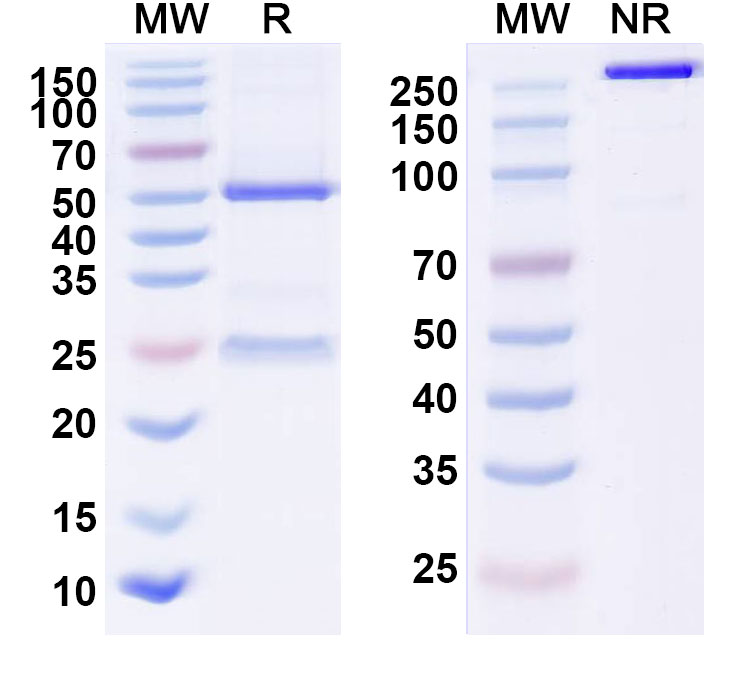
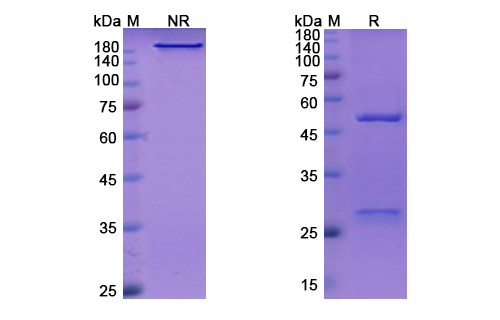
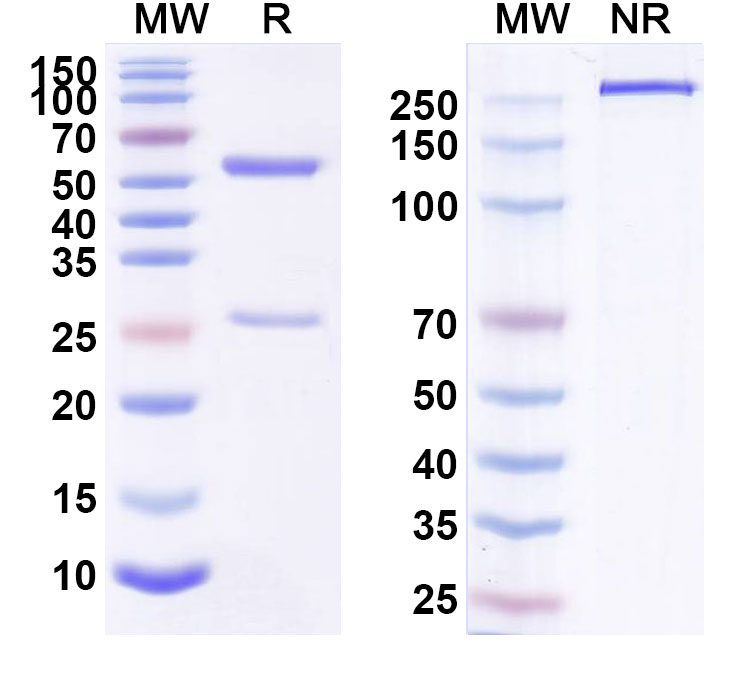
Fepixnebart Biosimilar is a recombinant monoclonal antibody that is produced using advanced biotechnology techniques. It is a fully humanized antibody, meaning that it is derived from human cells and has a structure similar to natural antibodies found in the human body. The antibody consists of two heavy chains and two light chains, each with a specific amino acid sequence that is responsible for its unique binding properties.
Activity of Fepixnebart Biosimilar
Fepixnebart Biosimilar is designed to specifically target TGFα, a protein that is overexpressed in various diseases, including cancer, fibrosis, and autoimmune disorders. TGFα is a potent growth factor that binds to the Epidermal Growth Factor Receptor (EGFR), leading to the activation of various signaling pathways that promote cell proliferation, migration, and survival. In normal conditions, TGFα is tightly regulated, but in disease states, its overexpression can lead to uncontrolled cell growth and disease progression.
Fepixnebart Biosimilar works by binding to TGFα and preventing it from binding to EGFR, thus inhibiting its downstream signaling. This results in the suppression of cell proliferation and survival, which can slow down or even stop the progression of diseases. Additionally, Fepixnebart Biosimilar has been shown to induce the internalization and degradation of EGFR, further reducing its activity and downstream effects.
Applications of Fepixnebart Biosimilar
Fepixnebart Biosimilar has shown promising results in preclinical studies and is currently being evaluated for its potential therapeutic applications in various diseases. Some of the potential applications of Fepixnebart Biosimilar are discussed below:
1.
Cancer: TGFα is known to play a critical role in the development and progression of various types of cancer. Fepixnebart Biosimilar has shown to be effective in inhibiting the growth of cancer cells and inducing their death in preclinical models. It is being investigated as a potential treatment for cancers such as breast, lung, and pancreatic cancer.
2. Fibrosis: TGFα is also involved in the development of fibrosis, a condition characterized by excessive scarring and tissue damage. Fepixnebart Biosimilar has shown to reduce fibrosis in preclinical models and is being evaluated as a potential treatment for diseases such as pulmonary fibrosis and liver fibrosis.
3.
Autoimmune disorders: TGFα is known to play a role in the development of autoimmune disorders, where the immune system attacks the body’s own cells and tissues. Fepixnebart Biosimilar has shown to suppress the activity of TGFα and reduce inflammation in preclinical models of autoimmune diseases such as rheumatoid arthritis and multiple sclerosis.
Conclusion
In summary, Fepixnebart Biosimilar is a promising research grade monoclonal antibody that specifically targets TGFα and inhibits its activity. Its unique structure and mechanism of action make it a potential therapeutic agent for various diseases, including cancer, fibrosis, and autoimmune disorders. Further research and clinical trials are needed to fully evaluate the safety and efficacy of Fepixnebart Biosimilar, but it holds great potential for improving the treatment of these diseases.

There are no reviews yet.