Introduction
Finotonlimab Biosimilar, also known as Anti-PDCD1 mAb, is a monoclonal antibody that targets the programmed cell death protein 1 (PD-1) pathway. It is a research grade antibody that has shown promising results in preclinical studies and is being developed as a potential therapeutic option for various diseases.
Structure of Finotonlimab Biosimilar
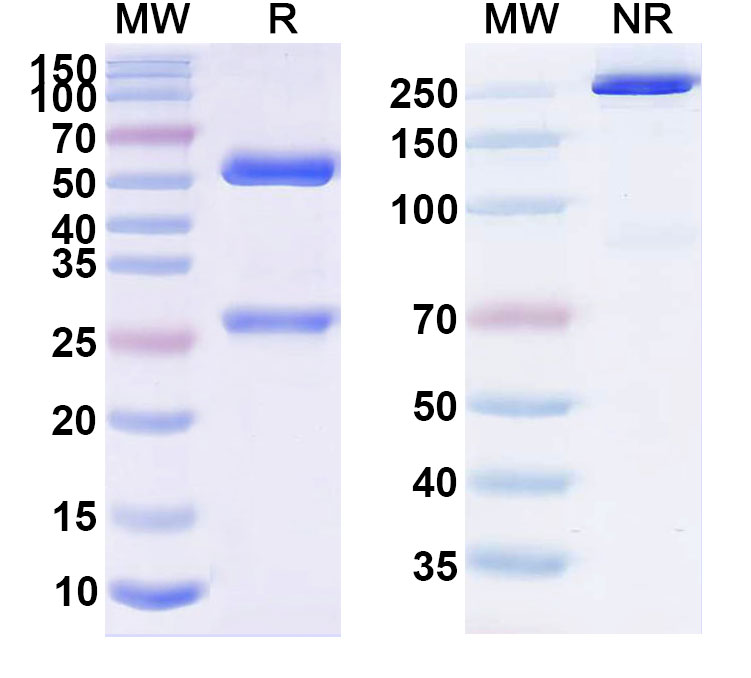
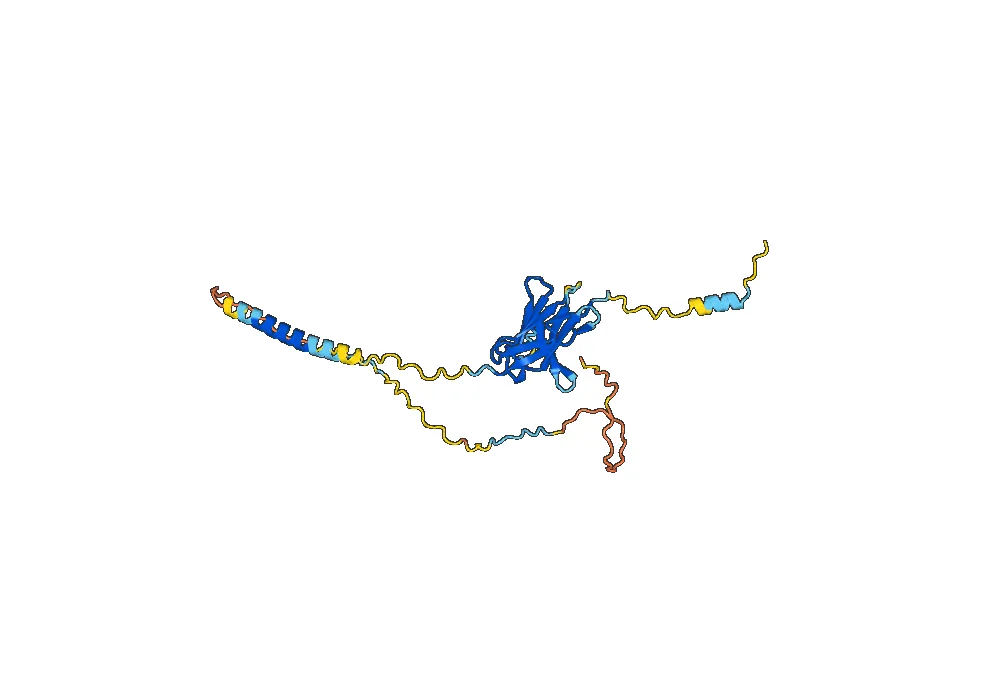
Finotonlimab Biosimilar is a fully humanized IgG4 monoclonal antibody that is produced through recombinant DNA technology. It consists of two heavy chains and two light chains, each containing a variable region and a constant region. The variable region is responsible for binding to its target, while the constant region determines the antibody’s effector functions.
The structure of Finotonlimab Biosimilar is similar to that of the approved drug, Pembrolizumab, which is also an anti-PD-1 monoclonal antibody. However, Finotonlimab Biosimilar has been engineered to have a longer half-life and a higher binding affinity to PD-1, making it a more potent therapeutic option.
Mechanism of Action
PD-1 is a cell surface receptor that is expressed on activated T cells and plays a critical role in regulating the immune response. When PD-1 binds to its ligands, PD-L1 or PD-L2, it inhibits T cell activation and prevents the immune system from attacking healthy cells. This mechanism is important for maintaining immune homeostasis and preventing autoimmune diseases.
In cancer, PD-L1 is often overexpressed on tumor cells, allowing them to evade the immune system and continue to grow. Finotonlimab Biosimilar works by binding to PD-1, blocking its interaction with PD-L1 and PD-L2, and restoring T cell activity against tumor cells. This leads to an enhanced anti-tumor immune response and potentially better outcomes for patients.
Applications of Finotonlimab Biosimilar
Finotonlimab Biosimilar is being investigated as a potential treatment for various types of cancer, including melanoma, non-small cell lung cancer, and head and neck squamous cell carcinoma. It has also shown promising results in preclinical studies for autoimmune diseases, such as rheumatoid arthritis and multiple sclerosis.
As a research grade antibody, Finotonlimab Biosimilar is also being used in laboratory studies to further understand the PD-1 pathway and its role in different diseases. Its high binding affinity and specificity make it a valuable tool for studying the immune response and developing new therapies.
Conclusion
Finotonlimab Biosimilar, or Anti-PDCD1 mAb, is a promising monoclonal antibody that targets the PD-1 pathway. Its structure, mechanism of action, and potential applications make it a valuable therapeutic option for cancer and autoimmune diseases. As research on this antibody continues, it has the potential to improve patient outcomes and advance our understanding of the immune system.
Keywords
Finotonlimab Biosimilar, Anti-PDCD1 mAb, monoclonal antibody, PD-1, programmed cell death protein 1, therapeutic target, cancer, autoimmune diseases, research grade, structure, mechanism of action, applications.


There are no reviews yet.