Introduction
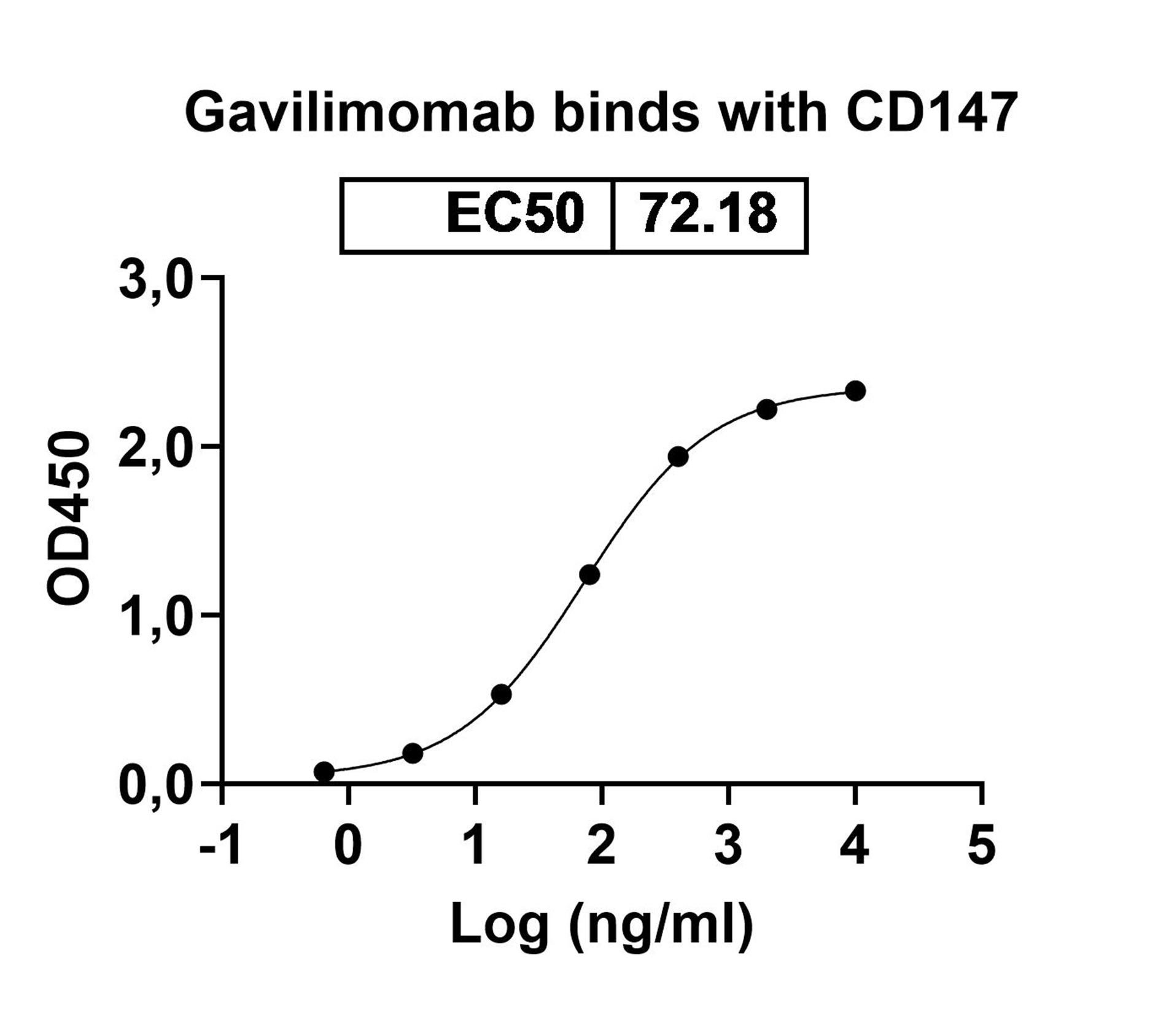
Gavilimomab Biosimilar, also known as Anti-BSG or CD147 monoclonal antibody (mAb), is a research-grade therapeutic antibody that has shown promising results in various preclinical studies. This article aims to provide a scientific description of the structure, activity, and potential applications of Gavilimomab Biosimilar.
Structure of Gavilimomab Biosimilar
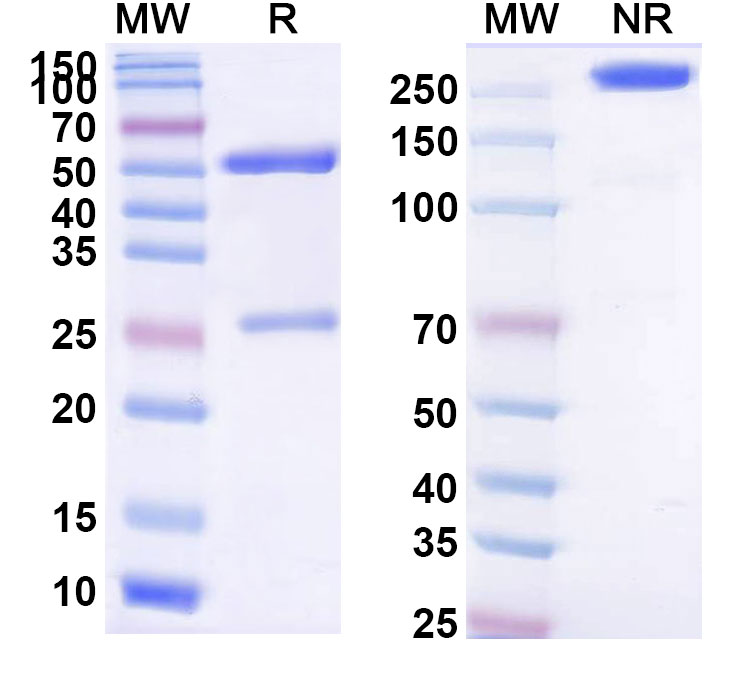
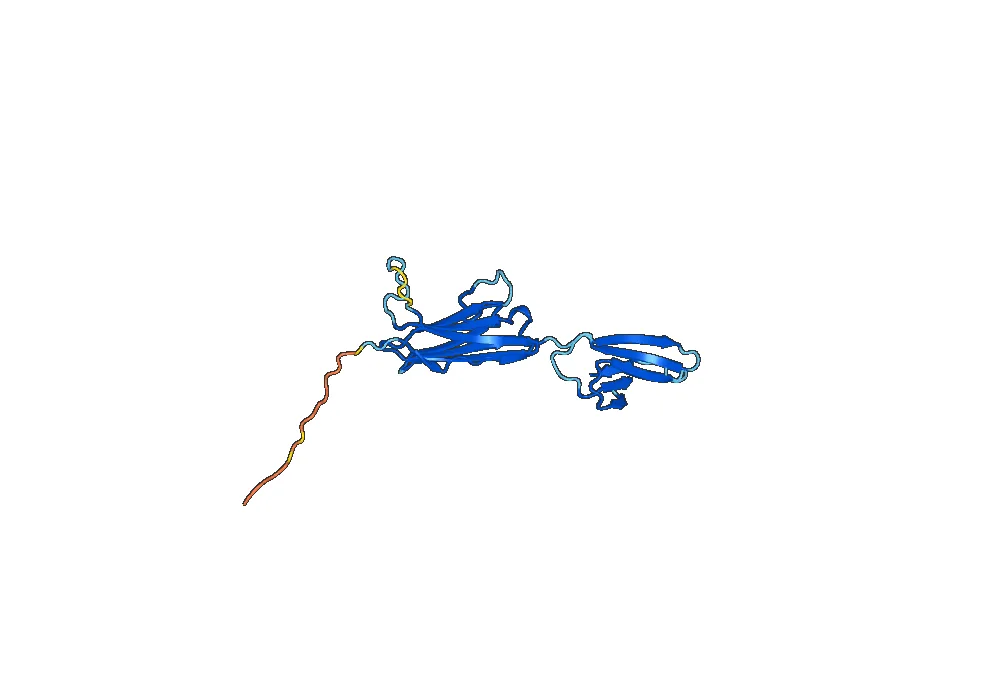
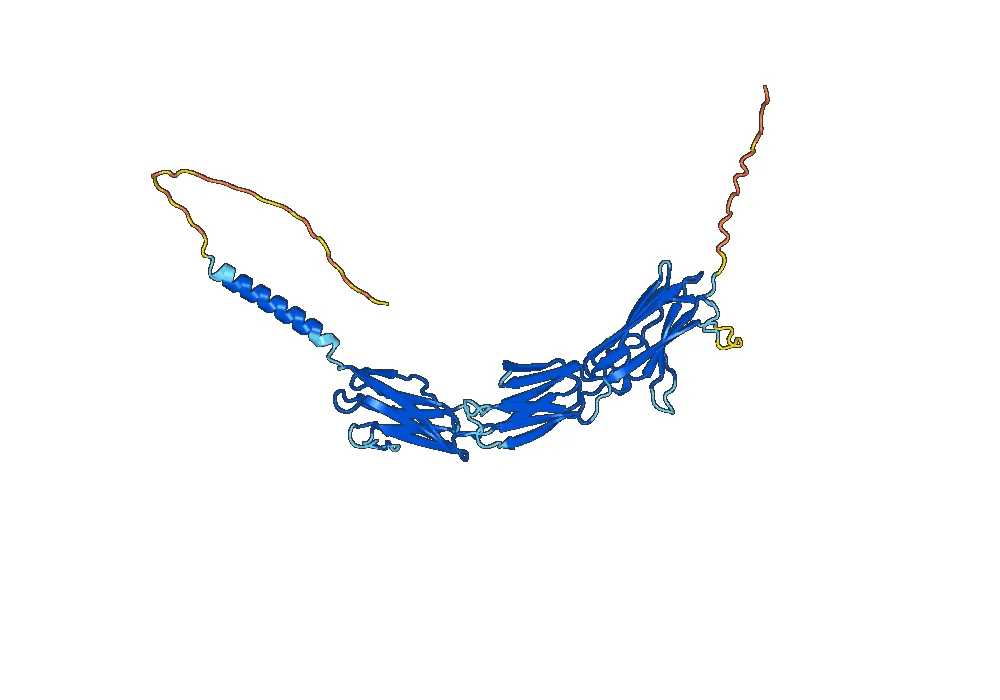
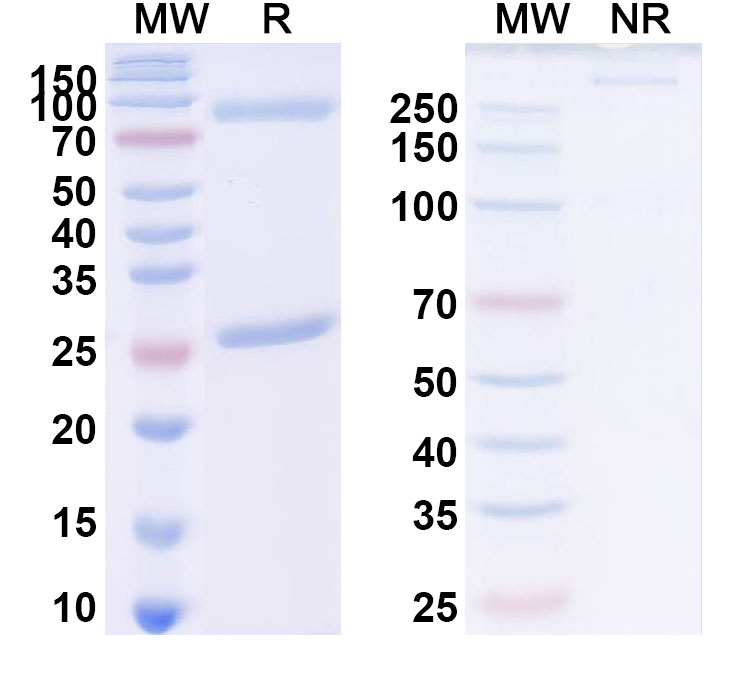
Gavilimomab Biosimilar is a humanized monoclonal antibody that targets the protein CD147, also known as Basigin or EMMPRIN. It is composed of two heavy chains and two light chains, each containing a variable region and a constant region. The variable region is responsible for binding to the target protein, while the constant region determines the antibody’s effector functions.
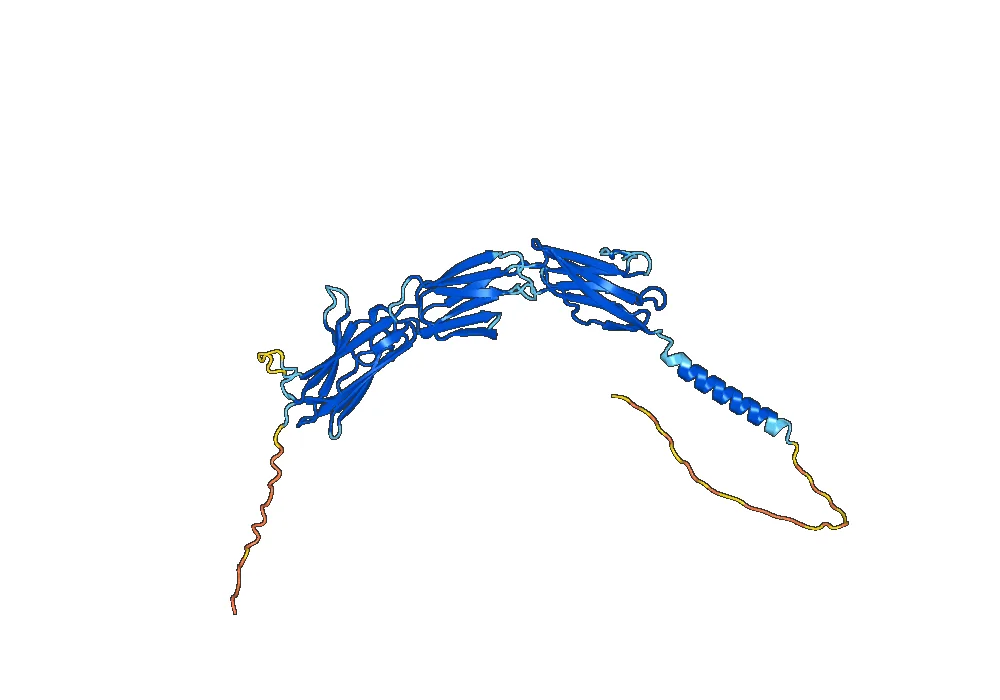
Activity of Gavilimomab Biosimilar CD147 is a transmembrane glycoprotein that is overexpressed in various
cancer cells and is associated with tumor progression, invasion, and metastasis. Gavilimomab Biosimilar specifically binds to CD147, inhibiting its functions and leading to a decrease in tumor growth and metastasis.
In addition to its anti-tumor activity, Gavilimomab Biosimilar has also been shown to modulate the immune response. It can induce the production of cytokines and chemokines, as well as activate immune cells such as natural killer cells and macrophages. This dual mechanism of action makes Gavilimomab Biosimilar a potential therapeutic option for various types of cancer.
Applications of Gavilimomab Biosimilar
Gavilimomab Biosimilar has been extensively studied in preclinical models, and its potential applications in cancer treatment have been explored. Some of the key applications of Gavilimomab Biosimilar are discussed below.
1. Anti-tumor therapy: Gavilimomab Biosimilar has shown promising results in inhibiting tumor growth and metastasis in various preclinical studies. It has been shown to be effective against different types of cancer, including breast, lung, and colon cancer. In addition, Gavilimomab Biosimilar has been found to enhance the efficacy of other anti- cancer therapies, making it a potential combination therapy option.
2. Immunotherapy: Gavilimomab Biosimilar has the ability to modulate the immune response, making it a potential immunotherapy option. It has been shown to activate immune cells and induce the production of cytokines and chemokines, which can help in the elimination of cancer cells. Furthermore, Gavilimomab Biosimilar has been found to enhance the anti-tumor activity of immune checkpoint inhibitors, making it a potential combination therapy for immunotherapy.
3. Diagnostics: CD147 is overexpressed in various types of cancer, making it a potential diagnostic marker. Gavilimomab Biosimilar, being a specific CD147-targeting antibody, can be used in diagnostic assays for the detection of cancer cells. This can aid in early detection and monitoring of cancer progression.
Conclusion
In conclusion, Gavilimomab Biosimilar is a research-grade therapeutic antibody that targets CD147, a protein overexpressed in various types of cancer. It has shown promising results in inhibiting tumor growth and metastasis, as well as modulating the immune response. Gavilimomab Biosimilar has potential applications in anti-tumor therapy, immunotherapy, and diagnostics, making it a promising candidate for further clinical development.

There are no reviews yet.