Introduction
Human CD114/CSF3R HEK293T Stable Cell Line is a valuable tool for studying the structure, activity, and application of the human colony-stimulating factor 3 receptor (CSF3R). This stable cell line is derived from the human embryonic kidney (HEK) 293T cell line, which is widely used in biomedical research due to its high transfection efficiency and ability to produce large amounts of recombinant proteins. The CD114/CSF3R HEK293T Stable Cell Line is specifically engineered to express the human CSF3R gene, making it an ideal model for studying this important therapeutic target.
Structure of CD114/CSF3R
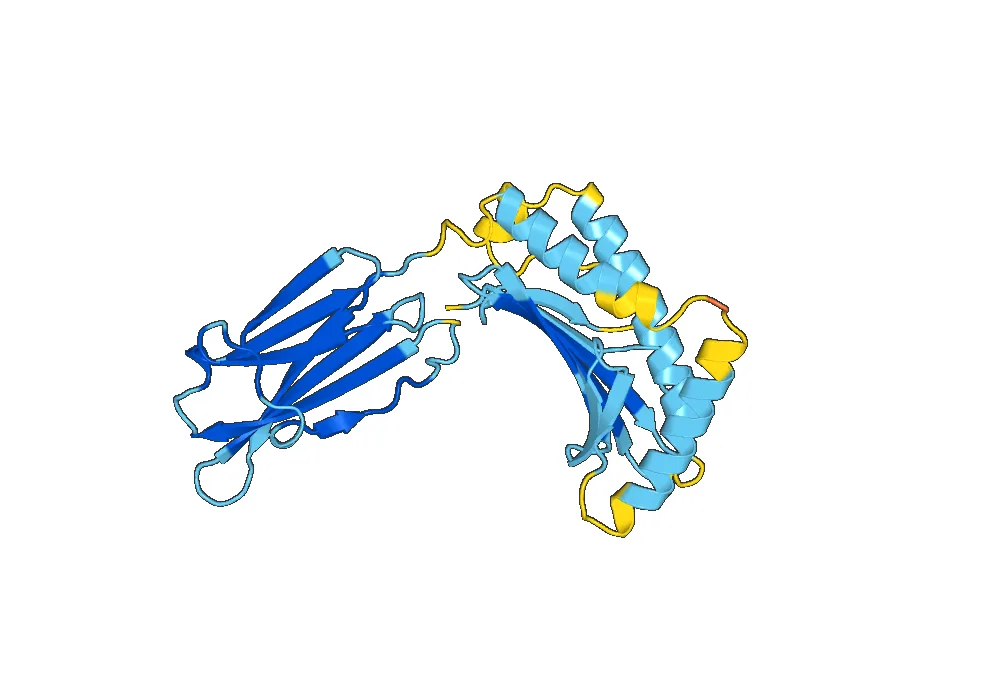
The human CSF3R gene encodes for the colony-stimulating factor 3 receptor, also known as the granulocyte colony-stimulating factor receptor (G-CSFR). This receptor is a transmembrane protein consisting of 844 amino acids with a molecular weight of approximately 95 kDa. It is composed of an extracellular domain, a transmembrane domain, and an intracellular domain. The extracellular domain contains the ligand-binding site, while the intracellular domain contains the signaling domain responsible for activating downstream signaling pathways.
Activity of CD114/CSF3R
The main function of CD114/CSF3R is to bind to and transduce the signaling of the cytokine colony-stimulating factor 3 (CSF3), also known as granulocyte colony-stimulating factor (G-CSF). Upon binding of CSF3, CD114/CSF3R undergoes dimerization and activation, leading to the recruitment and activation of downstream signaling molecules such as JAK2 and STAT3. This ultimately results in the proliferation, differentiation, and survival of granulocytes, which are important immune cells involved in fighting off infections.
Application of CD114/CSF3R HEK293T Stable Cell Line
The CD114/CSF3R HEK293T Stable Cell Line has a wide range of applications in both basic and clinical research. One of its main uses is in the study of the CSF3/CD114 signaling pathway and its role in regulating granulocyte development and function. This cell line can be used to investigate the effects of different ligands, mutations, or inhibitors on CD114/CSF3R signaling and downstream pathways.
In addition, the CD114/CSF3R HEK293T Stable Cell Line can be used in drug discovery and development. CSF3 is an important therapeutic target for treating neutropenia, a condition characterized by low levels of neutrophils (a type of granulocyte) in the blood. By using this stable cell line, researchers can screen potential drug candidates for their ability to modulate CD114/CSF3R signaling and potentially improve neutrophil production in patients with neutropenia.
Another potential application of the CD114/CSF3R HEK293T Stable Cell Line is in the development of flow cytometry assays. Flow cytometry is a powerful technique used to analyze and quantify cells based on their physical and chemical properties. By labeling the CD114/CSF3R protein on the surface of these cells, researchers can use this stable cell line to develop flow cytometry assays for studying CSF3R expression, activation, and function in different cell types.
Conclusion
In summary, the Human CD114/CSF3R HEK293T Stable Cell Line is a valuable tool for studying the structure, activity, and application of the human colony-stimulating factor 3 receptor. Its ability to express the human CSF3R gene makes it an ideal model for investigating the role of this receptor in granulocyte development and function. This stable cell line has a wide range of applications in basic and clinical research, including drug discovery, flow cytometry, and understanding the mechanisms of CSF3/CD114 signaling.

There are no reviews yet.