Introduction
Human IgG1 (L234A/L235A), kappa Isotype Control Antibody (HyHEL-10), FITC is a monoclonal antibody that is widely used in research and diagnostic applications. This antibody is a modified version of the HyHEL-10 antibody, which specifically recognizes the kappa light chain of human immunoglobulin G1 (IgG1). The modification of this antibody has resulted in improved stability and binding affinity, making it an ideal tool for various scientific studies. In this article, we will discuss the structure, activity, and applications of this antibody in detail.
Structure
Human IgG1 (L234A/L235A), kappa Isotype Control Antibody (HyHEL-10), FITC is a chimeric antibody, composed of both human and mouse components. It consists of a human IgG1 constant region and a mouse kappa light chain variable region. The variable region of this antibody has been engineered to contain two point mutations, L234A and L235A, which have been shown to increase the stability and binding affinity of the antibody. The constant region of this antibody is responsible for its effector functions, such as complement activation and antibody-dependent cellular cytotoxicity.
Activity
The primary function of Human IgG1 (L234A/L235A), kappa Isotype Control Antibody (HyHEL-10), FITC is to serve as an isotype control in experiments involving the detection of human IgG1. Isotype controls are antibodies that are used as a reference for non-specific binding and background noise in experiments involving monoclonal antibodies. This is particularly important in flow cytometry and immunohistochemistry experiments, where the detection of specific targets can be affected by non-specific binding. The use of this antibody as an isotype control ensures accurate and reliable results in these experiments.
In addition to its use as an isotype control, Human IgG1 (L234A/L235A), kappa Isotype Control Antibody (HyHEL-10), FITC also has the ability to bind to human IgG1 with high specificity and affinity. This makes it a valuable tool for the detection and quantification of human IgG1 in various samples. The FITC (fluorescein isothiocyanate) label attached to this antibody allows for easy visualization and detection of the bound antibody, making it ideal for use in flow cytometry and immunofluorescence assays.
Applications
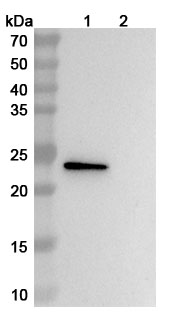
Human IgG1 (L234A/L235A), kappa Isotype Control Antibody (HyHEL-10), FITC has a wide range of applications in both research and diagnostics. As mentioned earlier, its primary use is as an isotype control in flow cytometry and immunohistochemistry experiments. However, it can also be used in other applications such as ELISA, Western blotting, and immunoprecipitation.
In research, this antibody is commonly used to study the expression and distribution of human IgG1 in various tissues and cell types. It can also be used to investigate the role of IgG1 in various diseases and conditions, such as autoimmune disorders and cancer. Additionally, this antibody can be used to measure the levels of IgG1 in patient samples, which can provide valuable information for disease diagnosis and monitoring.
In diagnostics, Human IgG1 (L234A/L235A), kappa Isotype Control Antibody (HyHEL-10), FITC can be used in various immunoassays for the detection and quantification of human IgG1. These assays can be used to diagnose diseases, monitor treatment efficacy, and screen for potential therapeutic targets.
Conclusion
In conclusion, Human IgG1 (L234A/L235A), kappa Isotype Control Antibody (HyHEL-10), FITC is a valuable tool for the detection and quantification of human IgG1 in various research and diagnostic applications. Its modified structure and high specificity make it a reliable isotype control, while its ability to bind to human IgG1 with high affinity makes it an ideal antibody for the detection and quantification of this target. This antibody has a wide range of applications and continues to be an important tool in the


There are no reviews yet.