Introduction
Pulocimab Biosimilar, also known as Anti-VEGFR2 mAb, is a monoclonal antibody that targets the vascular endothelial growth factor receptor 2 (VEGFR2). This protein is a key player in the process of angiogenesis, which is the formation of new blood vessels. Pulocimab Biosimilar has been extensively studied for its potential therapeutic applications in various diseases, and in this article, we will discuss its structure, activity, and potential applications.
Structure
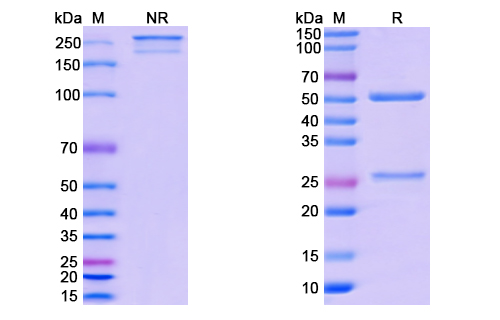
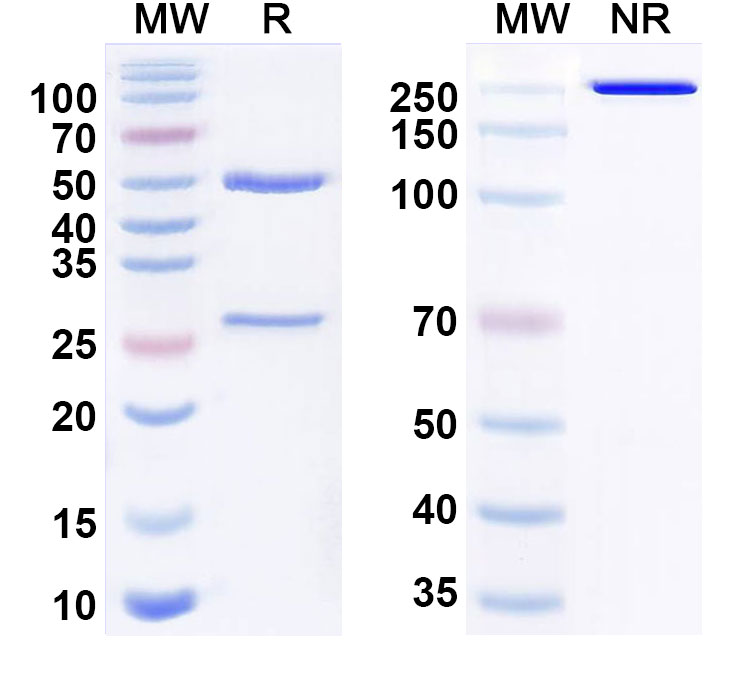
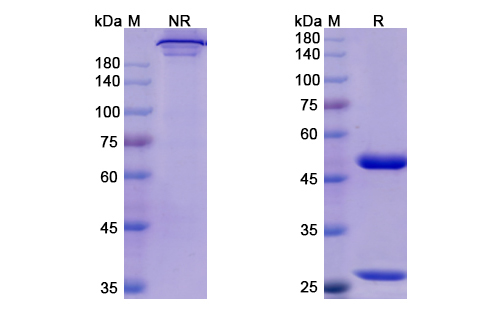
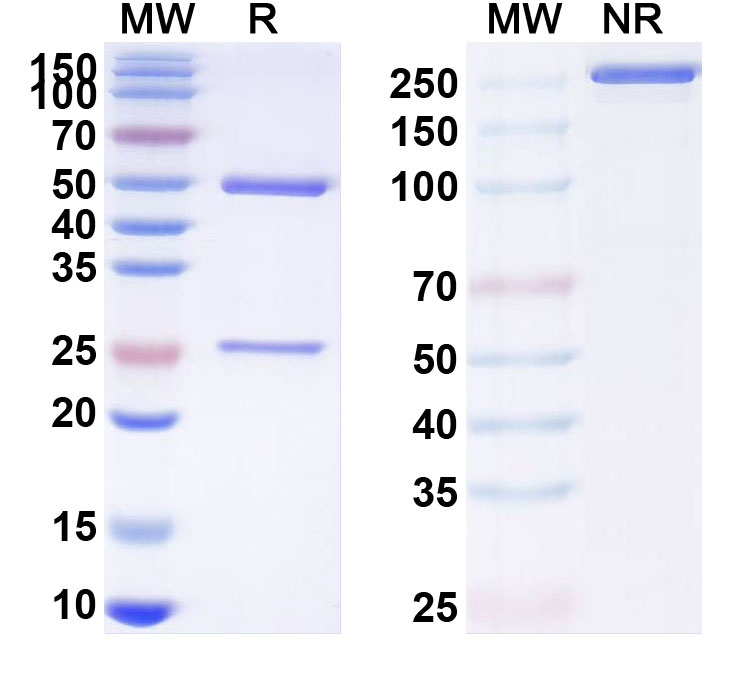
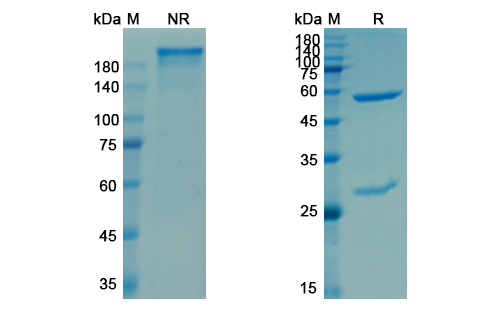
Pulocimab Biosimilar is a recombinant, humanized monoclonal antibody that is produced using recombinant DNA technology. It is composed of two heavy chains and two light chains, each containing a variable region and a constant region. The variable region of the antibody is responsible for binding to its target, VEGFR2, while the constant region provides stability and effector functions.
Activity
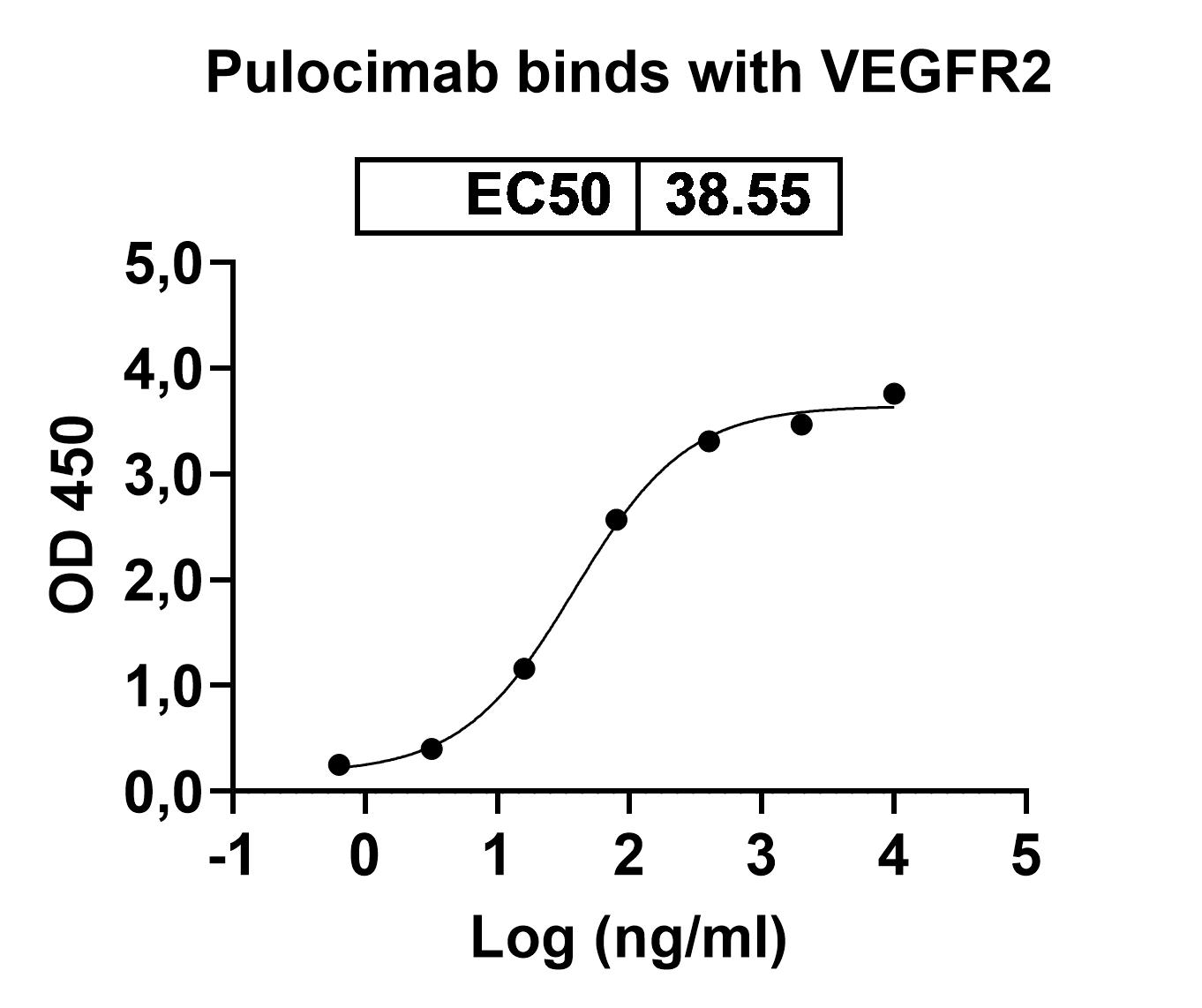
Pulocimab Biosimilar specifically binds to VEGFR2, which is a transmembrane protein expressed on the surface of endothelial cells. Upon binding, Pulocimab Biosimilar inhibits the binding of VEGF, the ligand for VEGFR2, and prevents the activation of downstream signaling pathways. This leads to the inhibition of angiogenesis, which is essential for the growth and spread of tumors, as well as the development of certain inflammatory diseases.
Pulocimab Biosimilar has been shown to have high affinity and specificity for VEGFR2, making it a potent inhibitor of angiogenesis. It has also been found to have a long half-life, allowing for sustained activity and prolonged therapeutic effects.
Application
Anti-angiogenic therapy has emerged as a promising approach for the treatment of various diseases, and Pulocimab Biosimilar has shown potential in this field. Its ability to inhibit angiogenesis makes it a potential therapeutic option for cancer, as tumors require new blood vessels for their growth and spread. In preclinical studies, Pulocimab Biosimilar has been shown to inhibit tumor growth and metastasis in various types of cancer, including breast, lung, and colon cancer.
In addition to cancer, Pulocimab Biosimilar has also shown promise in the treatment of inflammatory diseases. VEGFR2 is involved in the development of inflammation, and by inhibiting its activity, Pulocimab Biosimilar may provide relief for conditions such as rheumatoid arthritis and psoriasis.
Research Grade
Pulocimab Biosimilar is currently being developed as a research grade antibody, meaning it is intended for use in laboratory research and not for direct therapeutic use. As such, it is not yet approved by regulatory authorities for clinical use. However, the extensive research and preclinical studies conducted on this antibody have provided promising results, paving the way for potential clinical trials in the future.
Conclusion
Pulocimab Biosimilar, also known as Anti-VEGFR2 mAb, is a monoclonal antibody that specifically targets VEGFR2. Its ability to inhibit angiogenesis makes it a potential therapeutic option for cancer and inflammatory diseases. As a research grade antibody, Pulocimab Biosimilar has shown promising results in preclinical studies and may hold potential for future clinical use. Further research and clinical trials are needed to fully understand the therapeutic potential of this antibody.
There are no reviews yet.