Introduction to Recombinant Artemisia vulgaris Artv1 Protein
Recombinant Artemisia vulgaris Artv1 protein is a type of protein that is produced through genetic engineering techniques. It is derived from the plant Artemisia vulgaris, also known as mugwort, and has shown promising potential in various scientific applications. In this article, we will explore the structure, activity, and applications of this unique protein.
Structure of Recombinant Artemisia vulgaris Artv1 Protein
The Artv1 protein is a small, 10 kDa protein that is composed of 86 amino acids. It is rich in cysteine residues, which are important for the protein’s stability and function. The recombinant version of Artv1 is produced by inserting the gene encoding for this protein into a host organism, such as bacteria or yeast, and allowing it to be expressed and purified.
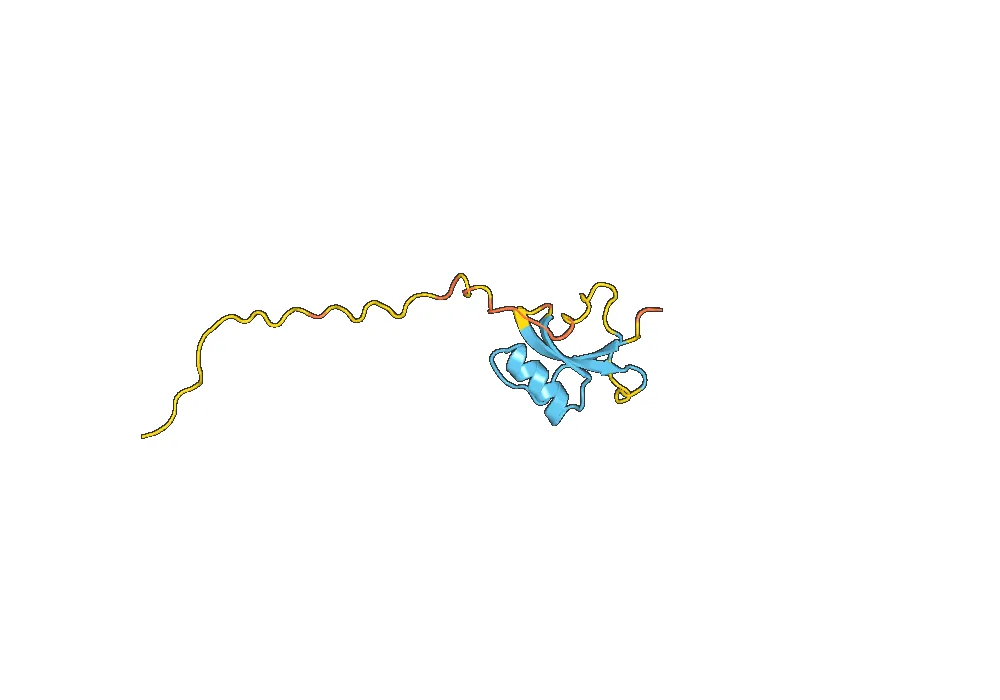
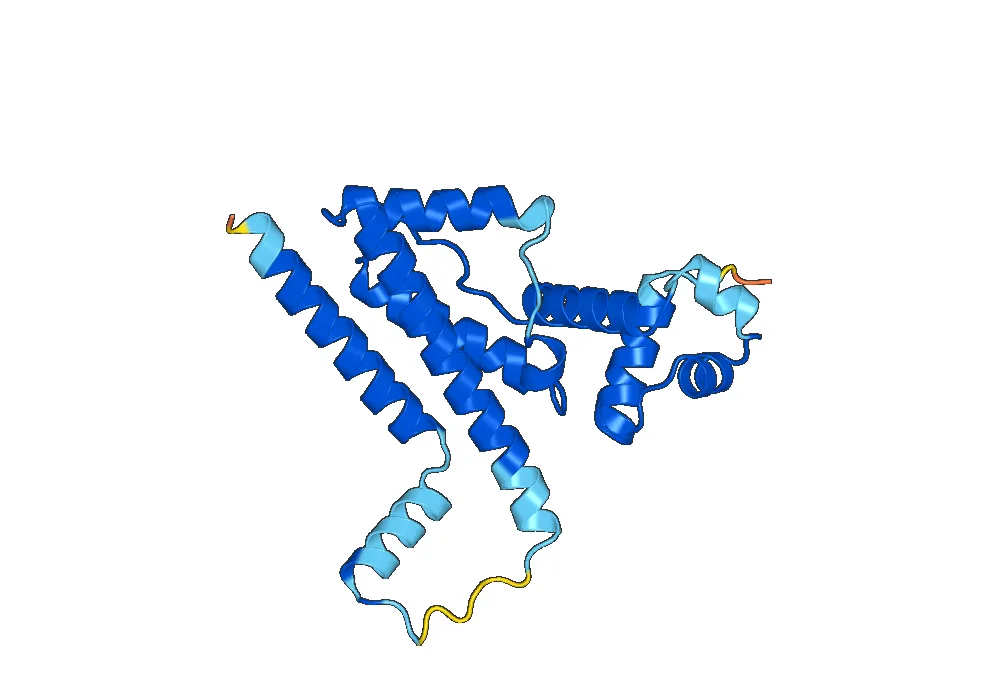
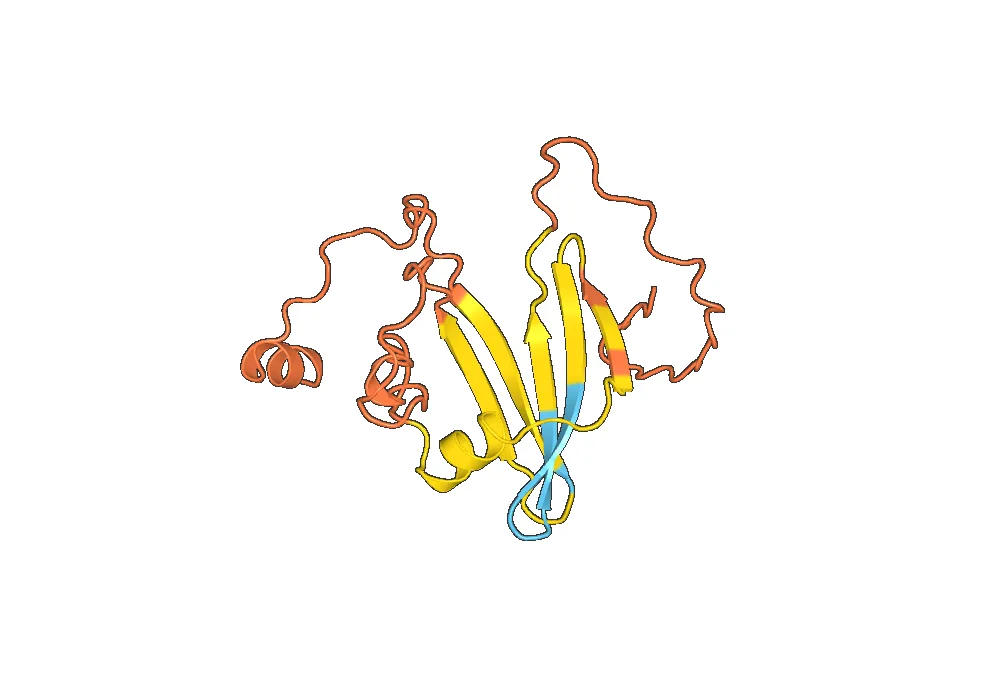
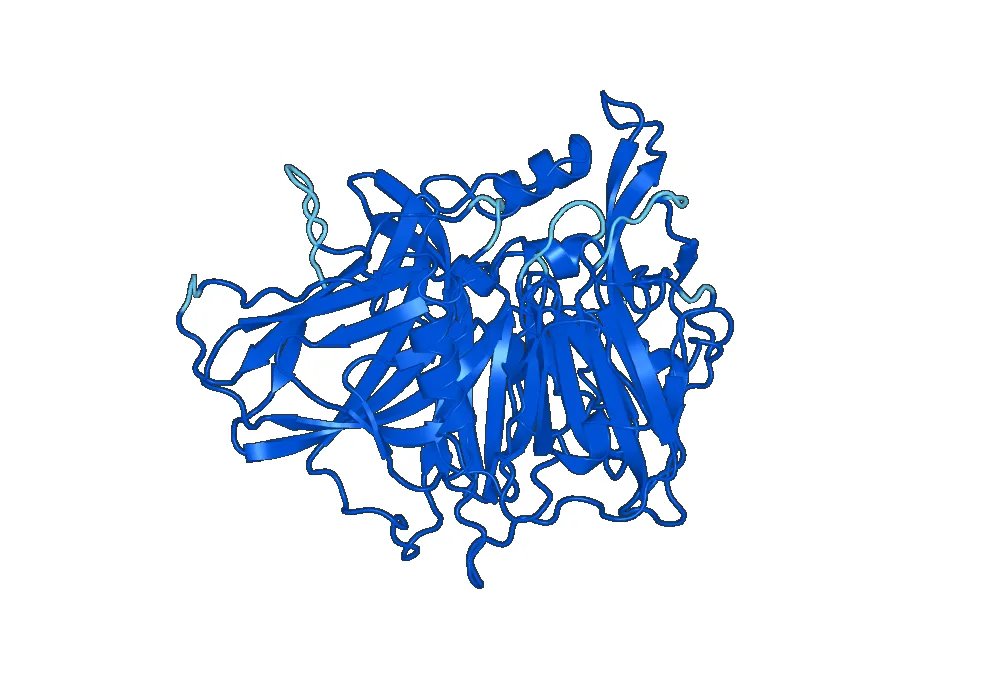
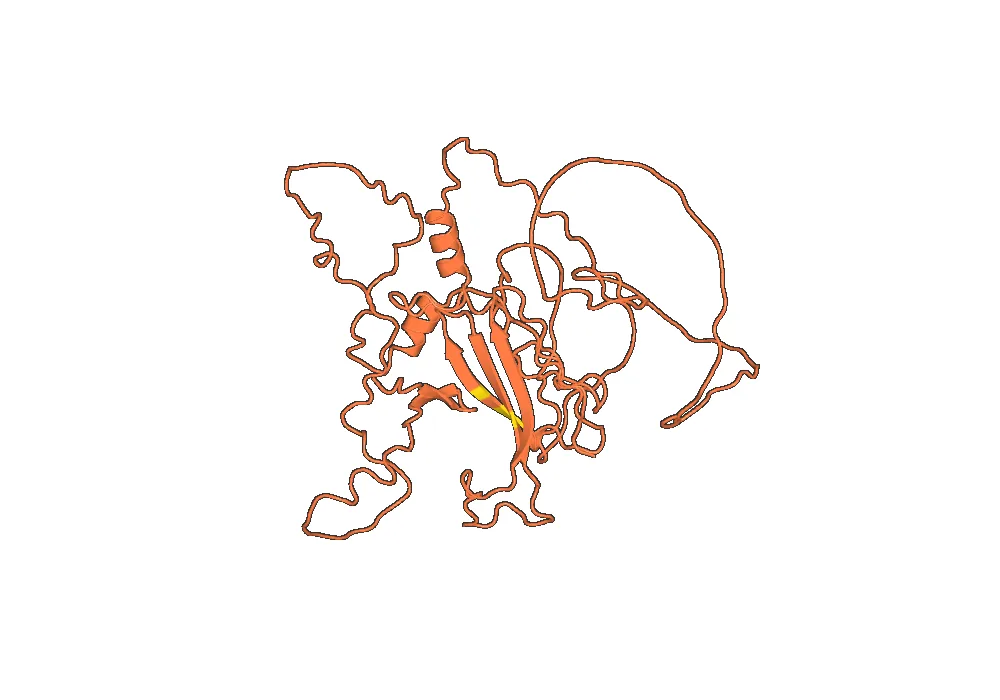
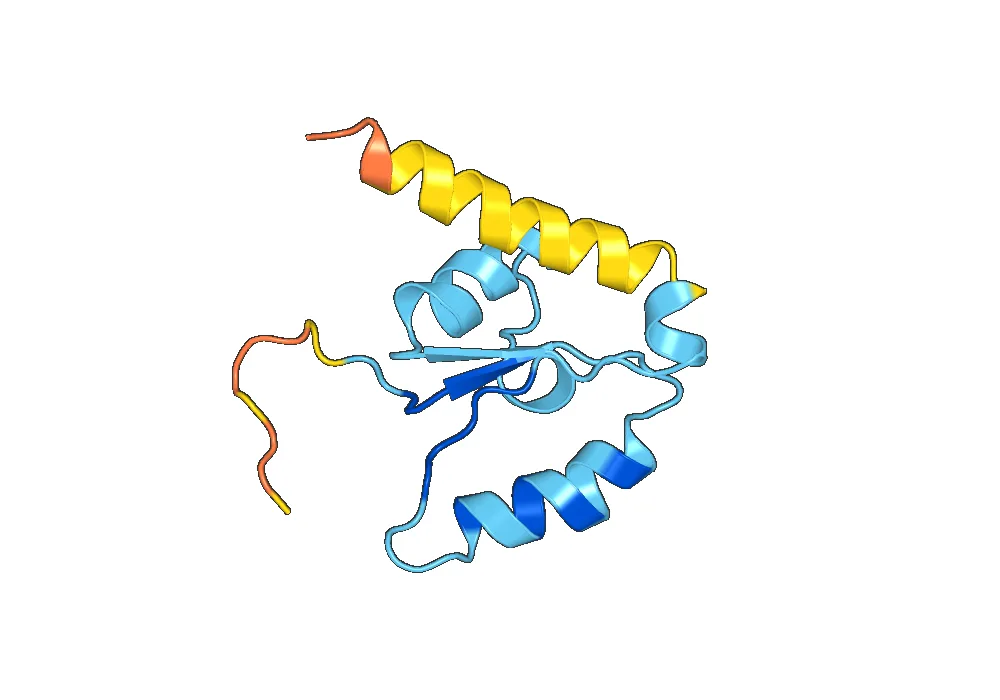
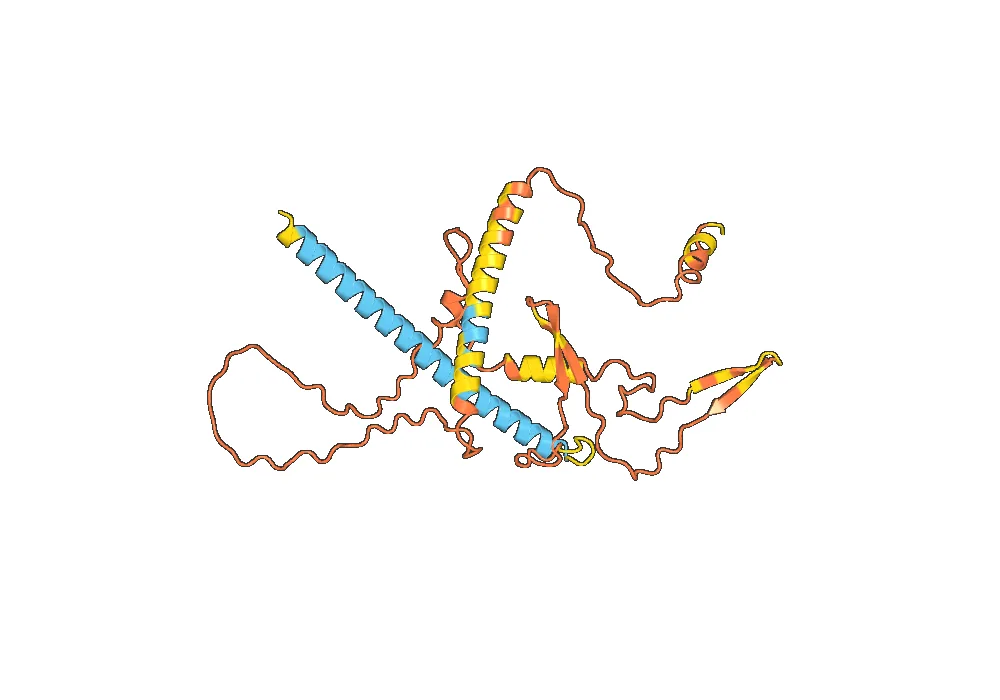
The three-dimensional structure of Artv1 has been determined through X-ray crystallography, revealing a compact and stable fold. It consists of a central alpha-helix surrounded by three beta-sheets, with the cysteine residues forming disulfide bonds that help maintain the protein’s structure. This unique structure is responsible for the protein’s biological activity and makes it an ideal candidate for various applications.
Activity of Recombinant Artemisia vulgaris Artv1 Protein
The primary function of Artv1 is to act as an allergen, triggering an immune response in individuals who are sensitive to mugwort pollen. However, the recombinant version of this protein has shown potential for other activities as well.
Studies have shown that Artv1 can act as a potent antimicrobial agent, inhibiting the growth of various bacteria and fungi. This activity is thought to be due to the protein’s ability to disrupt the cell membranes of these microorganisms. Additionally, Artv1 has been found to have anti-inflammatory properties, making it a potential therapeutic agent for conditions such as asthma and allergies.
Another interesting activity of Artv1 is its ability to bind to certain types of cancer cells. This has led to research into using the protein as a targeted therapy for cancer treatment. By attaching a cytotoxic drug to Artv1, it can be delivered specifically to cancer cells, reducing the side effects of traditional chemotherapy.
Applications of Recombinant Artemisia vulgaris Artv1 Protein
Due to its diverse range of activities, recombinant Artv1 protein has potential applications in various fields, including medicine, agriculture, and biotechnology.
In medicine, Artv1 can be used as a diagnostic tool for identifying individuals with mugwort allergy. It can also be incorporated into vaccines for immunotherapy, helping to desensitize individuals to mugwort pollen and reduce their allergic reactions.
In agriculture, Artv1 has shown potential as a natural pesticide. Its antimicrobial activity can help control the growth of harmful bacteria and fungi in crops, reducing the need for chemical pesticides and promoting sustainable farming practices.
In biotechnology, Artv1 can be used as a fusion partner to improve the stability and solubility of other proteins. It can also be used as a scaffold for protein engineering, allowing for the creation of novel proteins with desired properties.
Conclusion
In summary, recombinant Artemisia vulgaris Artv1 protein is a small but versatile protein with a unique structure and diverse range of activities. Its potential applications in medicine, agriculture, and biotechnology make it a promising candidate for further research and development. As our understanding of this protein continues to grow, it may hold even more potential for addressing various scientific challenges in the future.


There are no reviews yet.