Introduction
Recombinant DENV-2 Envelope protein E is a highly significant protein in the field of virology, specifically in the study and development of vaccines against Dengue virus. Dengue is a mosquito-borne viral disease that affects millions of people worldwide, with no specific treatment or vaccine currently available. The envelope protein E is a major structural protein of Dengue virus and plays a crucial role in viral entry and infection. Recombinant DENV-2 Envelope protein E has been extensively studied and has shown promising results as a potential vaccine candidate. In this article, we will delve into the structure, activity, and application of this protein.
Structure of Recombinant DENV-2 Envelope protein E
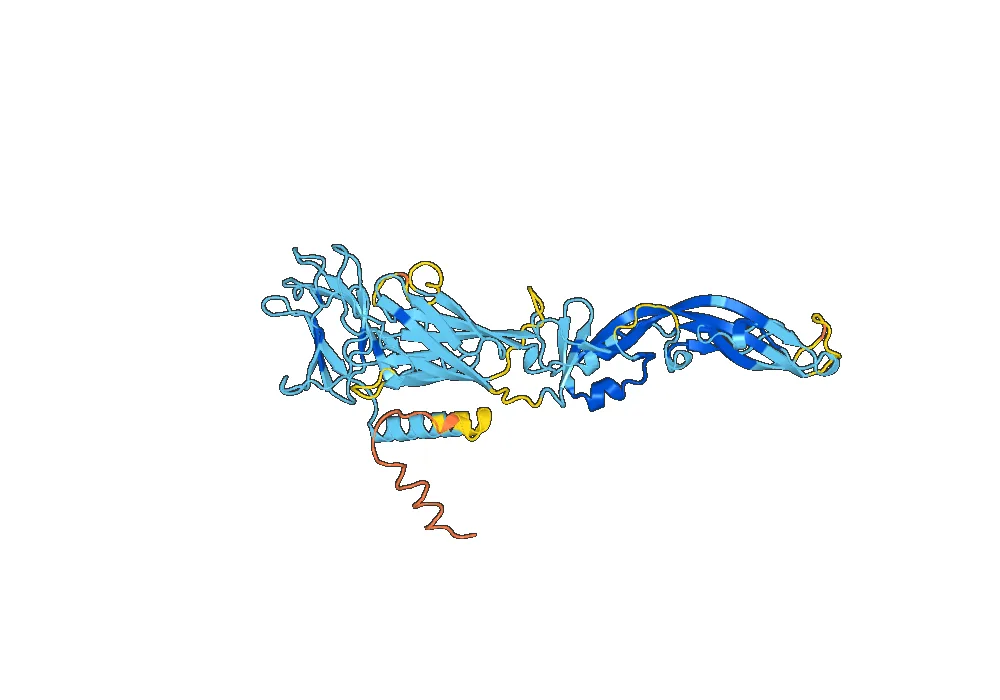
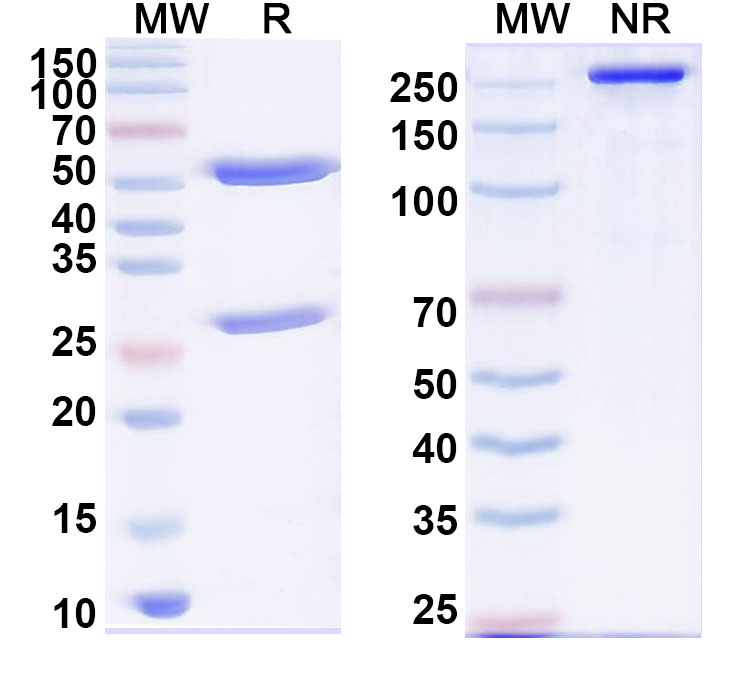
The recombinant DENV-2 Envelope protein E is a glycoprotein with a molecular weight of approximately 50 kDa. It is composed of 500 amino acids and is organized into three distinct domains: domain I, II, and III. Domain I is the central domain and is responsible for the protein’s stability and folding. Domain II is the dimerization domain, which facilitates the formation of the viral envelope. Domain III is the receptor-binding domain, which recognizes and binds to host cells during viral entry.
The protein also contains two glycosylation sites, which are essential for its proper folding and function. These glycans also play a role in the protein’s immunogenicity, making it a potential target for vaccine development.
Activity of Recombinant DENV-2 Envelope protein E
The activity of recombinant DENV-2 Envelope protein E lies in its ability to induce a strong immune response against Dengue virus. The protein is highly immunogenic, meaning it can trigger the production of antibodies and activate immune cells. Studies have shown that the protein can elicit both humoral and cellular immune responses, making it a promising candidate for vaccine development.
The protein’s activity is mainly attributed to its receptor-binding domain, which interacts with host cell receptors and initiates viral entry. By targeting this domain, the protein can block viral entry and prevent infection. Additionally, the protein’s dimerization domain has been shown to enhance its immunogenicity, making it a more potent vaccine candidate.
Application of Recombinant DENV-2 Envelope protein E
The main application of recombinant DENV-2 Envelope protein E is in the development of a Dengue vaccine. The protein can be used as a subunit vaccine, where it is combined with other viral proteins or adjuvants to enhance its immunogenicity. Several studies have shown that the protein, when used as a vaccine, can induce a strong and long-lasting immune response against Dengue virus.
Moreover, the protein can also be used as a diagnostic tool for Dengue virus infection. Antibodies against the protein can be used in serological tests to detect the presence of the virus in a patient’s blood. This can aid in early diagnosis and treatment of Dengue.
Conclusion
In conclusion, recombinant DENV-2 Envelope protein E is a crucial protein in the study and development of vaccines against Dengue virus. Its unique structure and activity make it a promising candidate for vaccine development. With ongoing research and advancements in technology, this protein holds great potential in combating the global burden of Dengue.


There are no reviews yet.