Introduction
The bacterium Helicobacter pylori (H. pylori) is a Gram-negative, spiral-shaped bacterium that colonizes the human stomach and is associated with various gastrointestinal diseases, including gastritis, peptic ulcers, and gastric cancer. The ability of H. pylori to survive in the harsh acidic environment of the stomach is largely attributed to its production of various virulence factors, including the periplasmic serine endoprotease DegP-like protein encoded by the gene HP_1019.
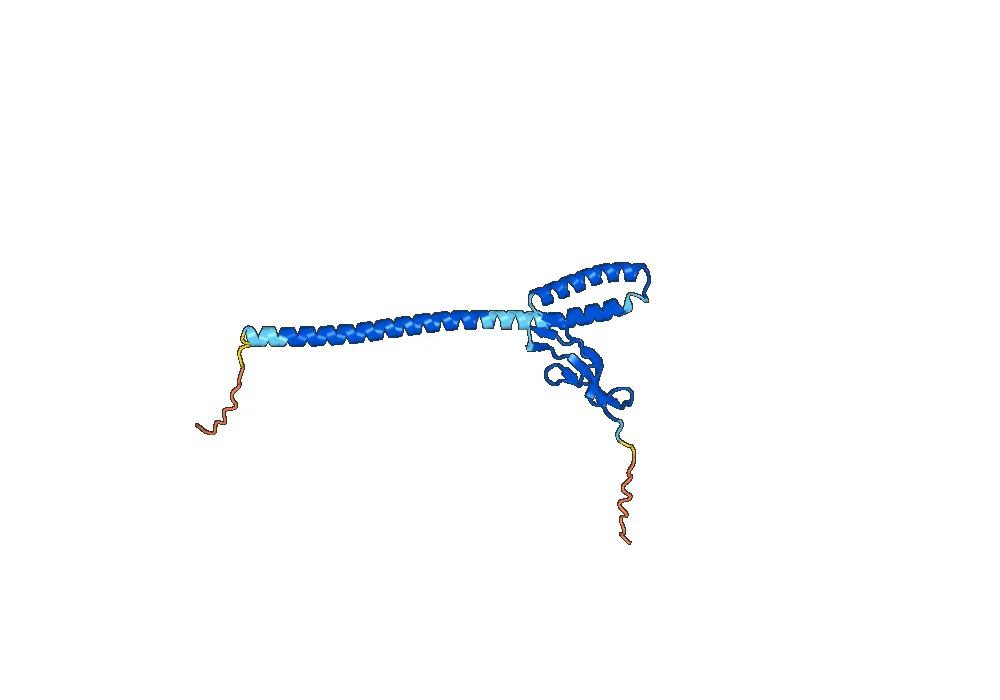
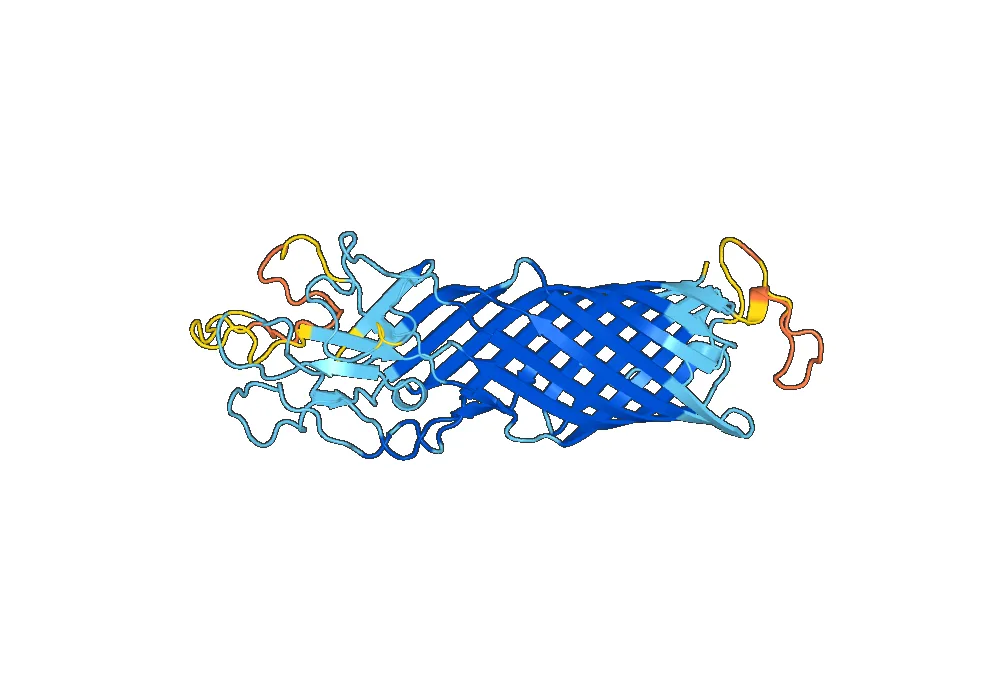
Structure of Recombinant Helicobacter pylori HP_1019/Periplasmic serine endoprotease DegP-like
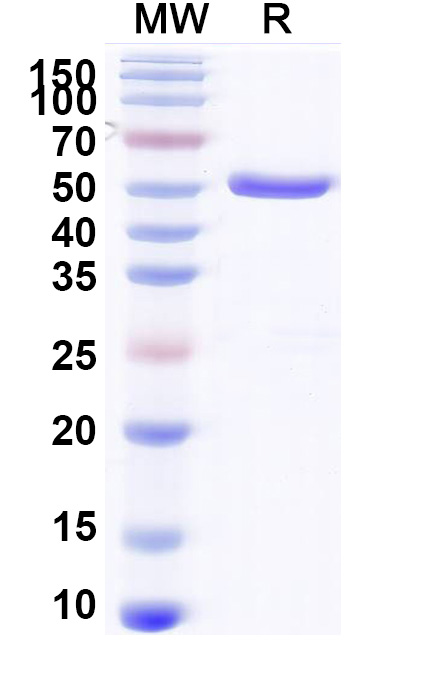
The gene HP_1019 encodes for a 45 kDa protein that belongs to the DegP/HtrA family of serine proteases. The recombinant protein is produced by cloning the gene into an expression vector and expressing it in a suitable host, such as E. coli. The resulting protein contains a signal peptide for secretion into the periplasmic space and a serine protease domain that is highly conserved among other DegP-like proteins.
The serine protease domain of HP_1019 is composed of two subdomains, the protease domain and the PDZ domain. The protease domain contains the active site for proteolytic activity, while the PDZ domain is involved in substrate recognition and protein-protein interactions. The recombinant protein also contains a C-terminal tail that is important for its stability and proper folding.
Activity of Recombinant Helicobacter pylori HP_1019/Periplasmic serine endoprotease DegP-like
The recombinant HP_1019 protein has been shown to exhibit proteolytic activity against a wide range of substrates, including various proteins involved in host immune response, such as immunoglobulins and cytokines. This activity is essential for the survival of H. pylori in the host stomach, as it allows the bacterium to evade the host immune system and establish a chronic infection.
In addition to its role in immune evasion, the recombinant HP_1019 protein has also been shown to play a role in the regulation of other virulence factors in H. pylori. It has been demonstrated that HP_1019 is involved in the processing and activation of the cytotoxin-associated gene A (CagA) protein, a major virulence factor of H. pylori that is associated with the development of gastric cancer. This highlights the importance of HP_1019 in the pathogenesis of H. pylori and its potential as a therapeutic target.
Application of Recombinant Helicobacter pylori HP_1019/Periplasmic serine endoprotease DegP-like
The recombinant HP_1019 protein has been extensively studied for its potential as a diagnostic and therapeutic target for H. pylori infections. The protein has been shown to be highly immunogenic and can elicit a strong humoral immune response in infected individuals. This has led to the development of various serological assays for the detection of anti-HP_1019 antibodies in patient sera, which can be used as a non-invasive method for the diagnosis of H. pylori infections.
Furthermore, the recombinant HP_1019 protein has been investigated as a potential vaccine candidate against H. pylori. Studies have shown that vaccination with the recombinant protein can induce a protective immune response and reduce the colonization of H. pylori in animal models. This highlights the potential of HP_1019 as a vaccine antigen for the prevention of H. pylori infections.
Conclusion
The recombinant Helicobacter pylori HP_1019/Periplasmic serine endoprotease DegP-like protein is an important virulence factor of H.

There are no reviews yet.