Introduction to Recombinant Human ABCF2
Recombinant Human ABCF2 is a type of recombinant protein that has been produced through genetic engineering techniques. It is a member of the ATP-binding cassette (ABC) family of proteins, which are known for their role in transporting various molecules across cell membranes. ABCF2, also known as ABC50, is unique in its structure and function, making it an important protein in various biological processes.
Structure of Recombinant Human ABCF2
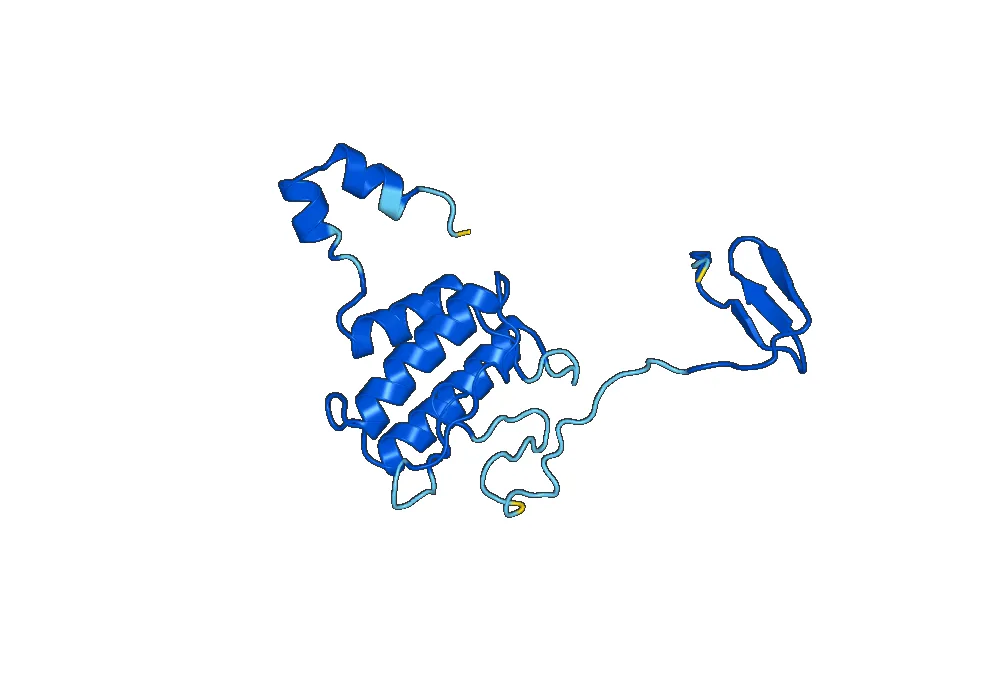
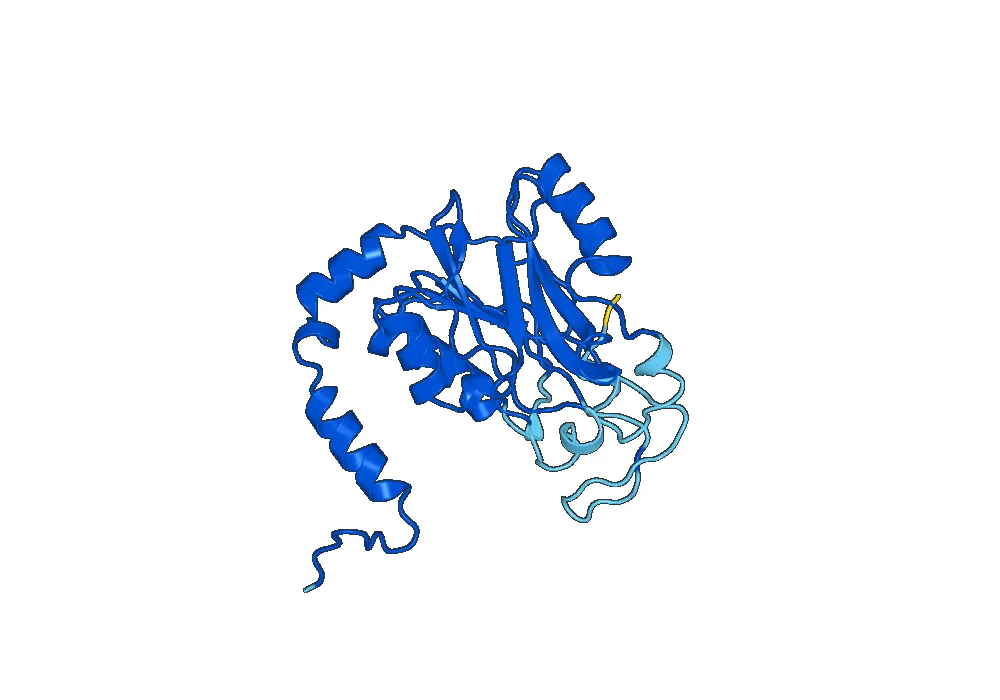
Recombinant Human ABCF2 is a 50 kDa protein that consists of 433 amino acids. It is composed of two transmembrane domains, two nucleotide-binding domains, and a large intracellular loop. The two transmembrane domains are responsible for anchoring the protein in the cell membrane, while the nucleotide-binding domains are essential for the protein’s ATPase activity.
The large intracellular loop of Recombinant Human ABCF2 contains several conserved motifs, including the Walker A and B motifs, which are crucial for ATP binding and hydrolysis. Additionally, this loop also contains a highly conserved ABC signature motif, which is characteristic of all ABC transporters.
Activity of Recombinant Human ABCF2
The main function of Recombinant Human ABCF2 is to transport various molecules, including lipids, peptides, and drugs, across cell membranes. This transport activity is driven by ATP hydrolysis, which is facilitated by the nucleotide-binding domains of the protein.
In addition to its role in transport, Recombinant Human ABCF2 also has an important function in cellular homeostasis. It has been shown to play a role in maintaining the balance of intracellular lipids, as well as in regulating the levels of reactive oxygen species (ROS) in cells. This activity is crucial for the proper functioning of cells and is essential for overall health and well-being.
Application of Recombinant Human ABCF2
The unique structure and function of Recombinant Human ABCF2 make it a valuable tool in various scientific research and medical applications. One of the main applications of this protein is in drug discovery and development. As ABC transporters are known to play a significant role in drug resistance, studying the activity and function of Recombinant Human ABCF2 can provide valuable insights into developing more effective and targeted therapies.
Moreover, Recombinant Human ABCF2 has also been implicated in various diseases, including cancer and neurodegenerative disorders. Research studies have shown that this protein is overexpressed in certain types of cancer, and its inhibition can lead to increased sensitivity to chemotherapy drugs. In neurodegenerative diseases, Recombinant Human ABCF2 has been found to play a role in the transport of amyloid-beta, a protein implicated in Alzheimer’s disease.
Apart from its role in drug discovery and disease research, Recombinant Human ABCF2 also has potential applications in biotechnology and agriculture. Its transport activity can be harnessed to develop more efficient methods for delivering therapeutic molecules and nutrients to cells. Additionally, it can also be used to enhance the production of certain crops by improving their nutrient uptake and resistance to environmental stressors.
Conclusion
In summary, Recombinant Human ABCF2 is a unique and versatile protein with important functions in transport and cellular homeostasis. Its structure, activity, and potential applications make it a valuable tool in various scientific fields, including drug discovery, disease research, and biotechnology. Further studies on this protein can provide a better understanding of its role in various biological processes and pave the way for developing novel therapies and technologies.


There are no reviews yet.