The Structure and Function of Recombinant Human ACAT2
Recombinant human ACAT2 (acyl-CoA:cholesterol acyltransferase 2) is a key enzyme involved in the regulation of cholesterol levels in the body. It is a recombinant protein that is produced through genetic engineering techniques, making it a valuable tool in understanding and treating cholesterol-related disorders.
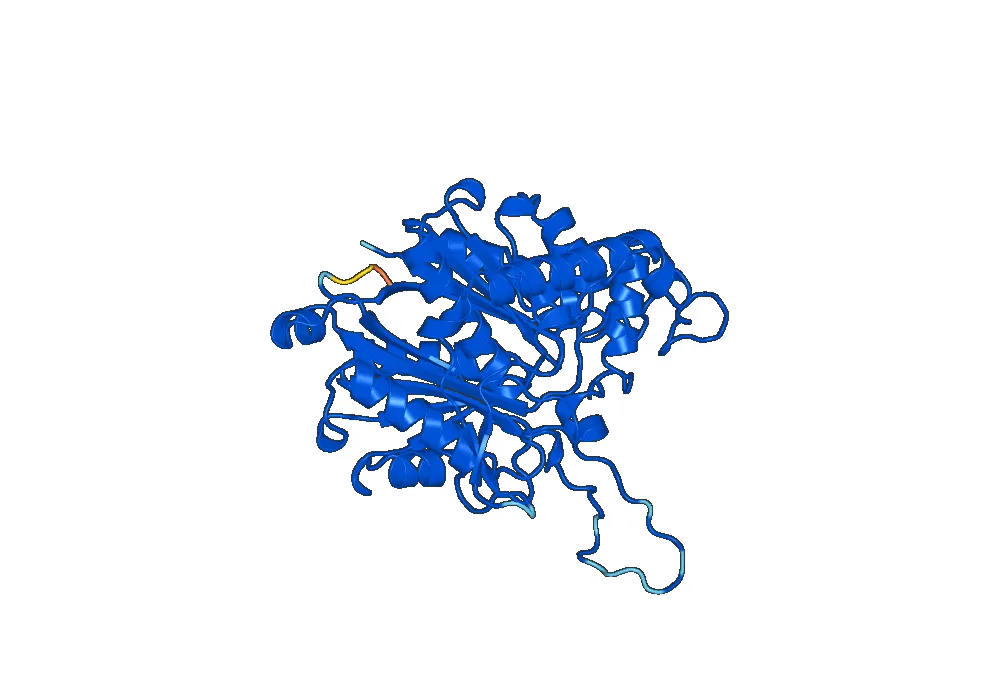
Structure of Recombinant Human ACAT2
The ACAT2 gene is located on chromosome 9 and encodes for a protein with 502 amino acids. The recombinant protein is produced by inserting the ACAT2 gene into a host cell, typically Escherichia coli or Chinese hamster ovary (CHO) cells, and allowing it to express and produce the protein. The resulting protein is then purified and used for various research and therapeutic purposes.
The recombinant human ACAT2 protein has a molecular weight of approximately 56 kDa and is composed of two subunits, each with distinct functions. The larger subunit, with a molecular weight of 50 kDa, contains the active site where the enzyme binds to its substrate, while the smaller subunit, with a molecular weight of 6 kDa, is responsible for stabilizing the enzyme structure.
Function of Recombinant Human ACAT2
ACAT2 is primarily involved in the esterification of cholesterol, a process that converts cholesterol into cholesteryl esters. This process is important for the storage and transport of cholesterol in the body, as cholesteryl esters are more hydrophobic and can be easily transported in the blood. ACAT2 is mainly expressed in the liver and intestine, where it plays a crucial role in maintaining cholesterol homeostasis.
Recombinant human ACAT2 has been extensively studied for its role in various diseases, including atherosclerosis, Alzheimer’s disease, and non-alcoholic fatty liver disease (NAFLD). In atherosclerosis, the build-up of cholesterol in the arteries leads to the formation of plaque, which can eventually lead to heart disease. ACAT2 is involved in the accumulation of cholesterol in macrophages, a type of immune cell found in the arteries, contributing to the development of atherosclerosis. By studying the function of recombinant human ACAT2, researchers can gain a better understanding of the underlying mechanisms of atherosclerosis and potentially develop new treatments.
In Alzheimer’s disease, the accumulation of cholesterol in the brain has been linked to the development of the disease. ACAT2 is thought to play a role in this process by converting cholesterol into cholesteryl esters, which are then deposited in the brain. Studies have shown that inhibiting ACAT2 activity can reduce the accumulation of cholesteryl esters in the brain and improve cognitive function in animal models of Alzheimer’s disease.
In NAFLD, the excessive accumulation of fat in the liver can lead to inflammation and scarring, which can progress to more severe liver diseases such as cirrhosis and liver cancer. ACAT2 has been found to be overexpressed in the liver of patients with NAFLD, and inhibiting its activity has been shown to reduce fat accumulation and improve liver function in animal models.
Applications of Recombinant Human ACAT2
Recombinant human ACAT2 has numerous applications in both research and therapeutic settings. Its role in cholesterol metabolism and various diseases makes it a valuable tool for studying the underlying mechanisms of these conditions. It can also be used as a drug target for developing new treatments for atherosclerosis, Alzheimer’s disease, and NAFLD.
Additionally, recombinant human ACAT2 can be used in the development of diagnostic tests for cholesterol disorders. By studying the activity and expression levels of ACAT2, researchers can gain insight into a patient’s cholesterol profile and potentially identify individuals at risk for developing cardiovascular diseases.
Conclusion</h2


There are no reviews yet.