Introduction to Recombinant Human ACD Protein
Recombinant Human ACD Protein, also known as Adenylate Cyclase Domain-containing Protein, is a recombinant protein that has been widely used in various scientific research and medical applications. This protein is a key component of the adenylate cyclase signaling pathway, which plays a crucial role in cellular communication and regulation of various physiological processes.
Structure of Recombinant Human ACD Protein
The recombinant form of ACD Protein is a single polypeptide chain consisting of 254 amino acids. It has a molecular weight of approximately 28 kDa and contains a conserved adenylate cyclase domain at its C-terminus. The protein also has a transmembrane domain at its N-terminus, which allows it to be anchored to the cell membrane.
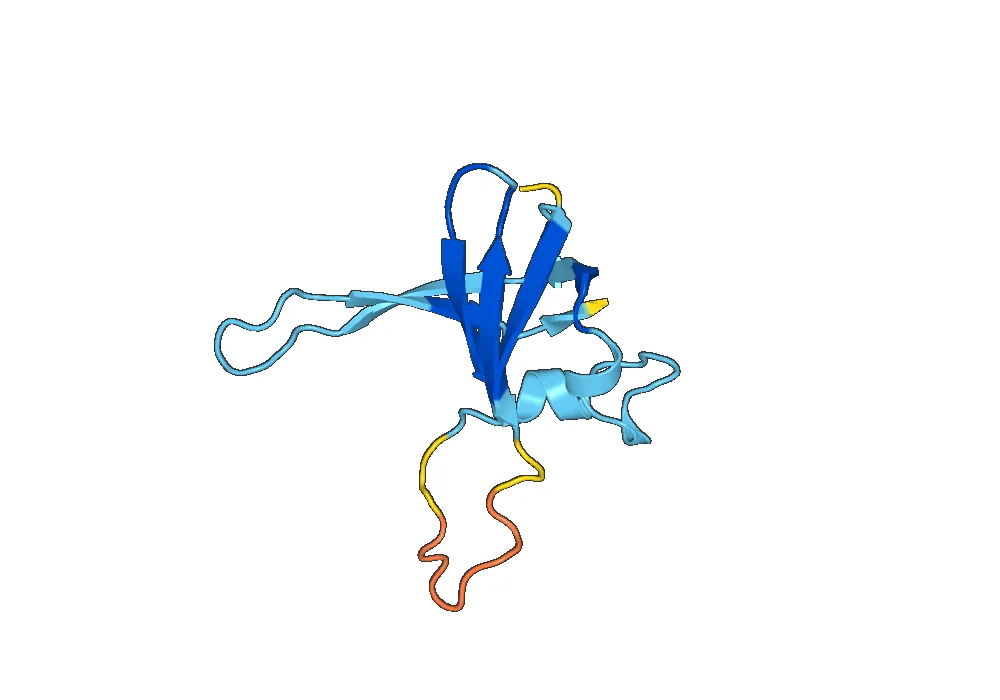
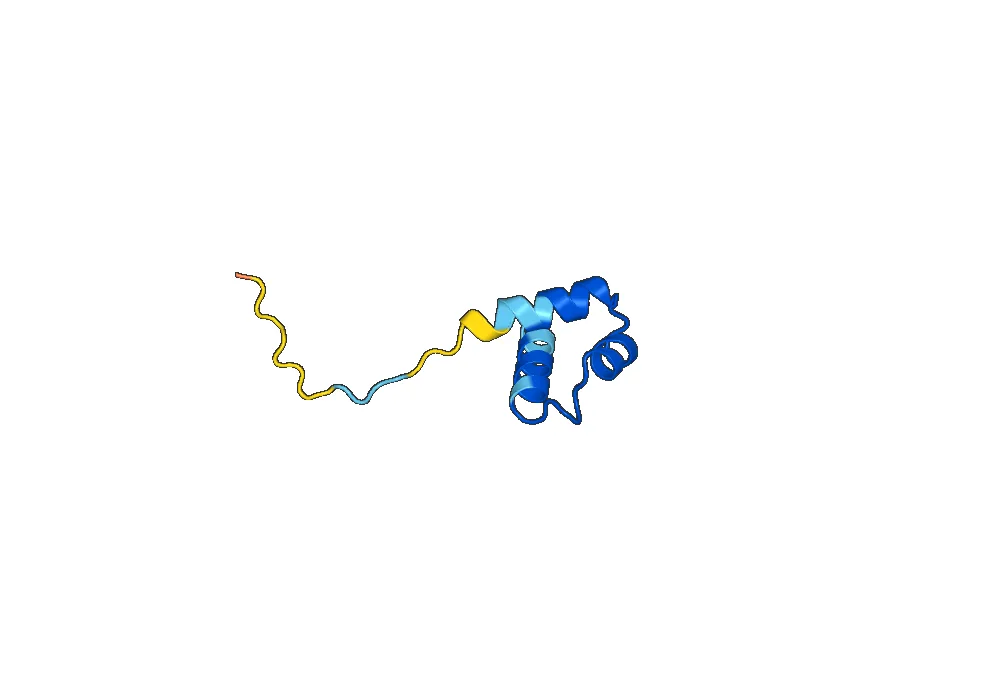
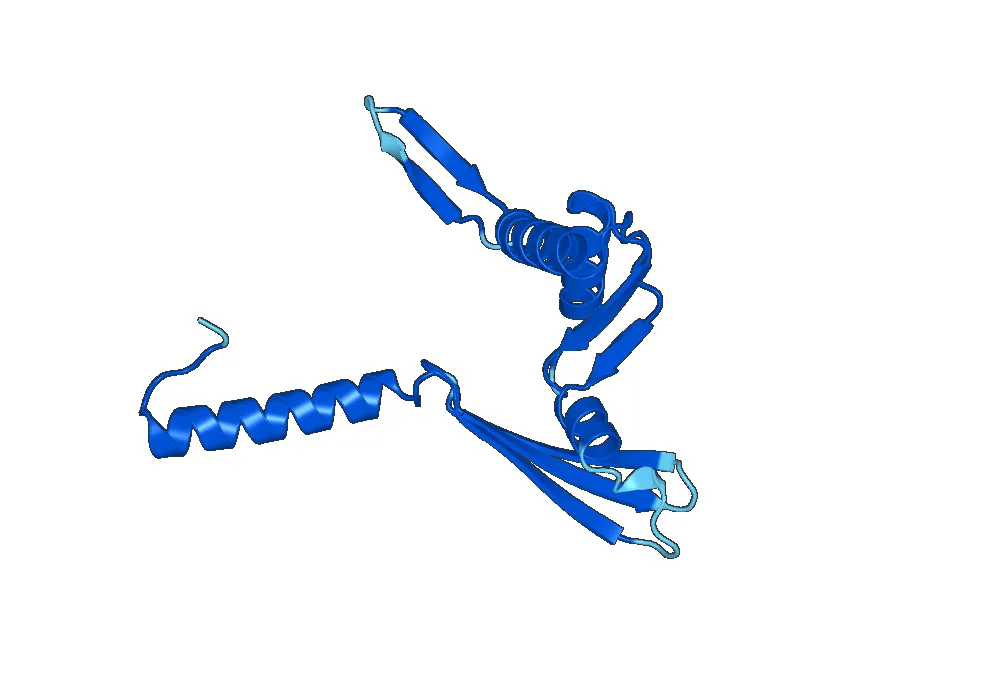
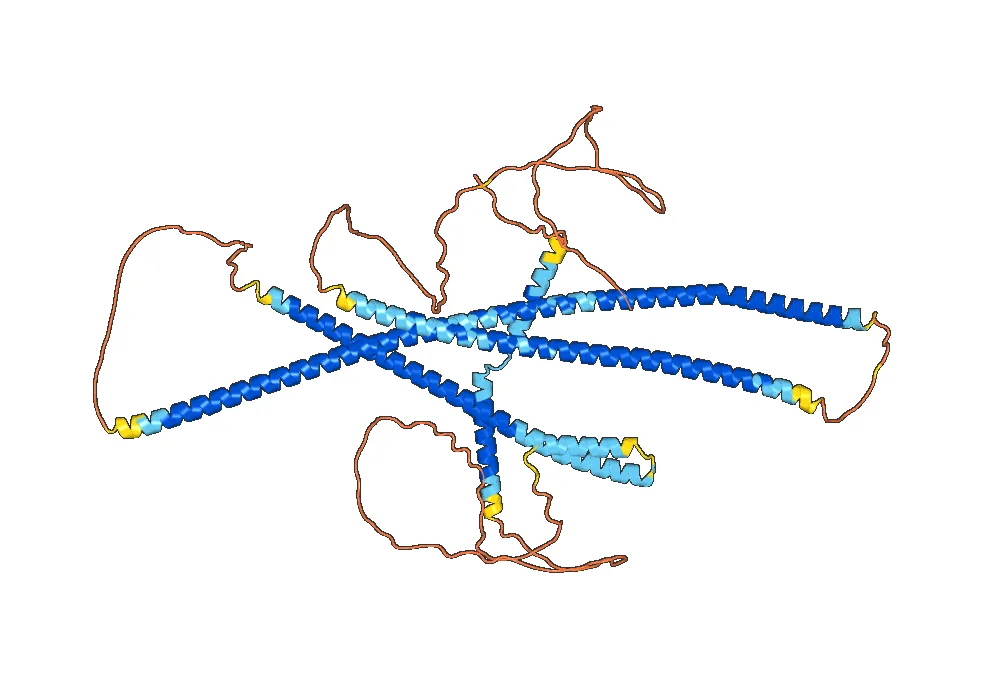
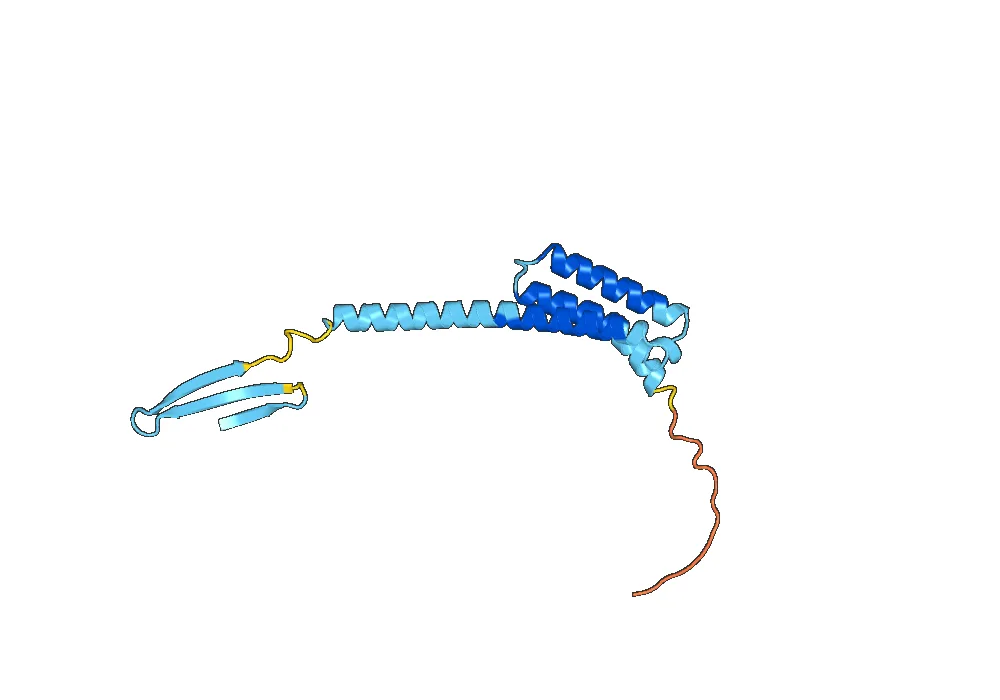
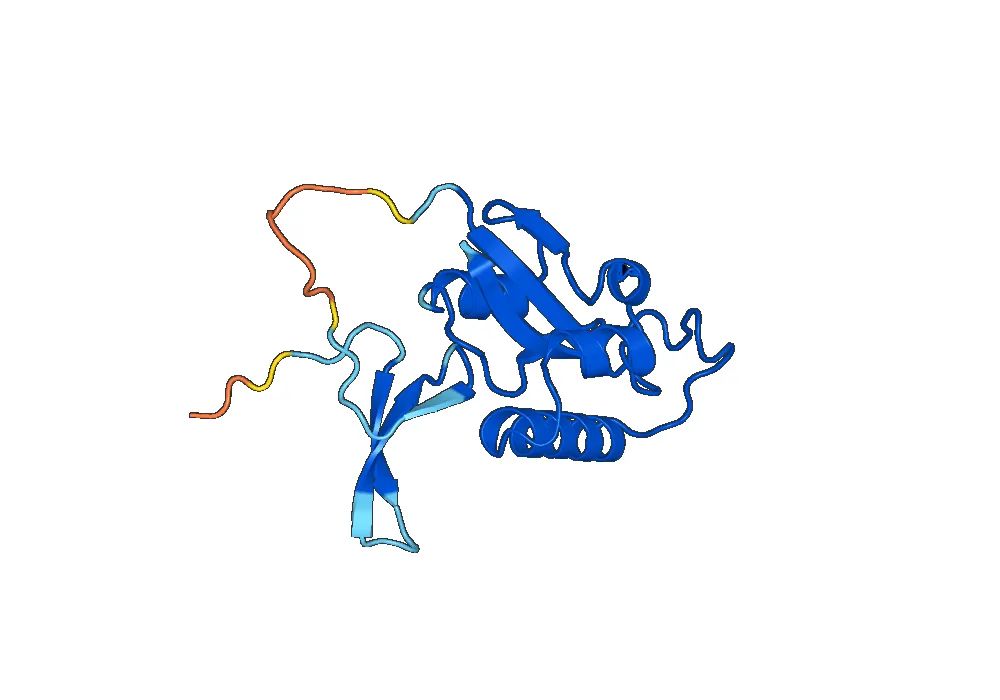
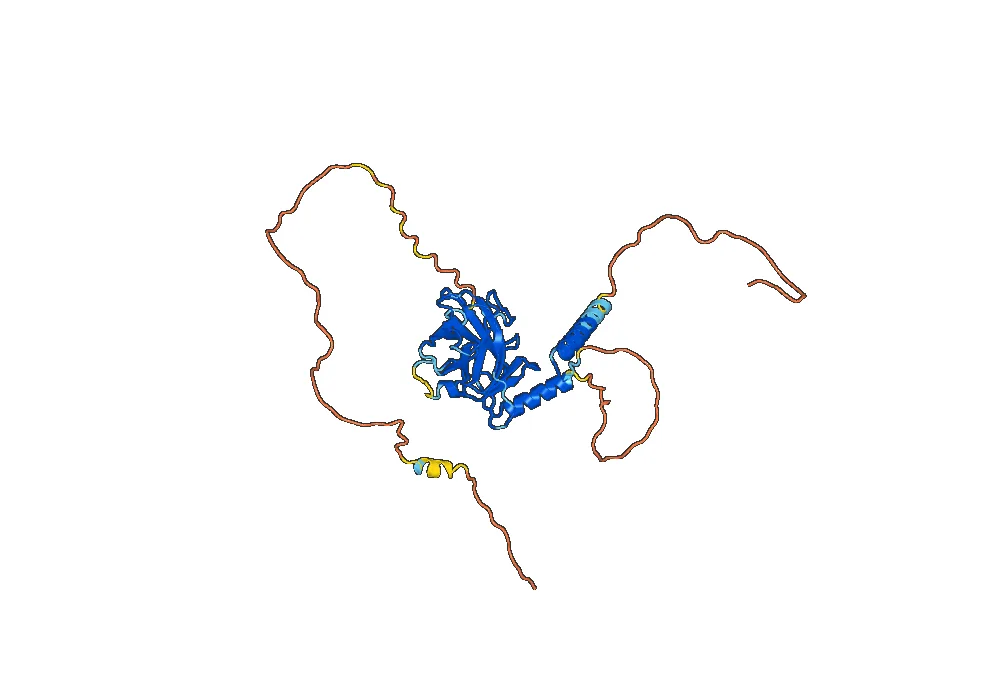
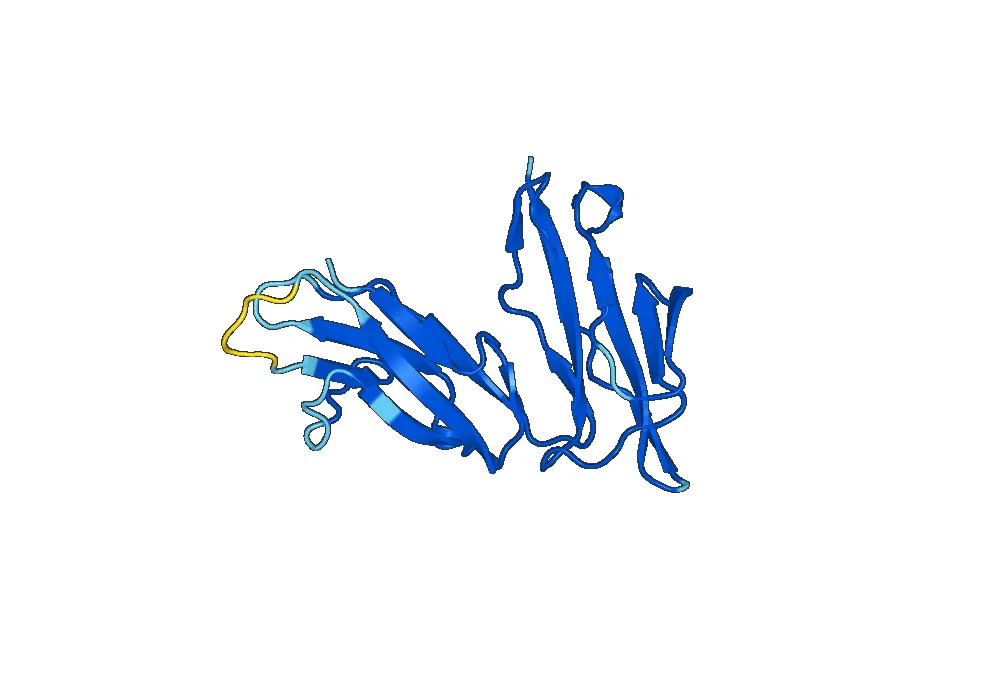
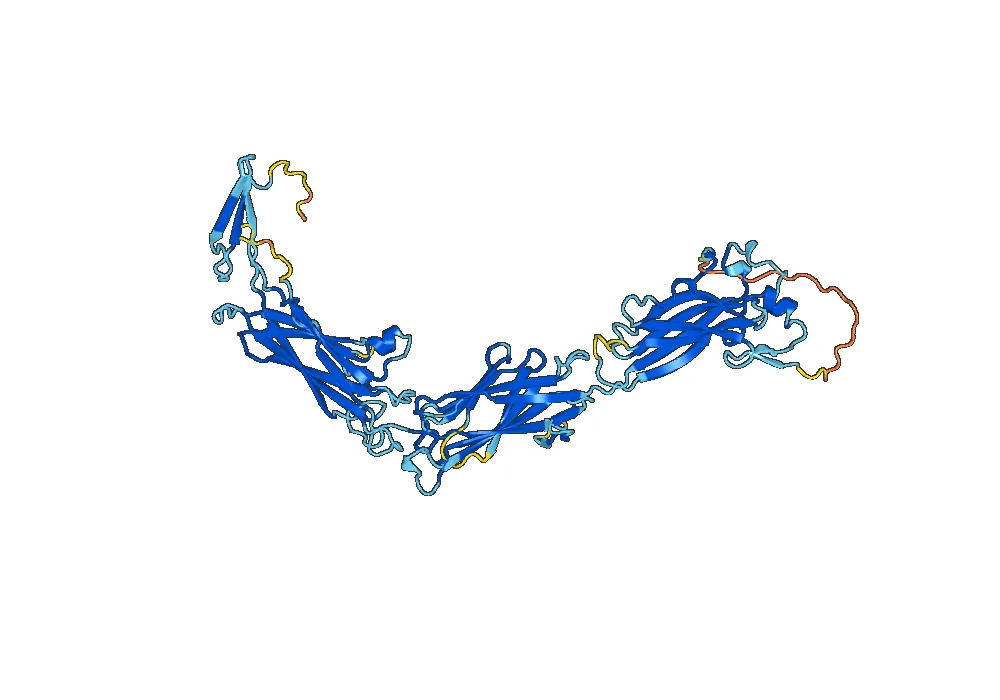
The crystal structure of Recombinant Human ACD Protein has been determined, revealing a unique topology with a central beta-barrel surrounded by alpha-helices. This structure is essential for the protein’s function as it allows for interactions with other molecules and signaling components.
Activity of Recombinant Human ACD Protein
Recombinant Human ACD Protein is a key component of the adenylate cyclase signaling pathway, which is responsible for converting ATP into cyclic AMP (cAMP). This conversion is crucial for the regulation of various cellular processes such as metabolism, gene expression, and cell proliferation.
Upon activation, the recombinant ACD Protein binds to G-protein coupled receptors (GPCRs) on the cell membrane, leading to the activation of adenylate cyclase. This, in turn, results in the production of cAMP, which acts as a second messenger to activate downstream signaling pathways. The activity of recombinant ACD Protein is tightly regulated by various factors, including hormones, neurotransmitters, and other signaling molecules.
Applications of Recombinant Human ACD Protein
Recombinant Human ACD Protein has a wide range of applications in both scientific research and medical fields. Here are some of the main applications of this protein:
1. Study of Adenylate Cyclase Signaling Pathway
Recombinant Human ACD Protein has been extensively used to study the adenylate cyclase signaling pathway and its role in various physiological processes. Researchers have used this protein to investigate the regulation of cAMP production, the interactions with GPCRs, and the downstream signaling events.
2. Development of Therapeutics
The adenylate cyclase signaling pathway is a promising target for the development of therapeutics for various diseases. Recombinant Human ACD Protein has been used to screen and identify potential drug candidates that can modulate this pathway. These drugs have the potential to treat conditions such as diabetes, obesity, and cardiovascular diseases.
3. Diagnosis of Diseases
Recombinant Human ACD Protein has also been used in diagnostic tests for various diseases. For example, it has been used as an antigen in immunoassays to detect the presence of antibodies against this protein in patients with autoimmune diseases. It has also been used in diagnostic tests for infectious diseases, such as tuberculosis and malaria.
4. Production of Antibodies
Recombinant Human ACD Protein has been used to produce antibodies that can specifically bind to this protein. These antibodies have been used in various research applications, such as western blotting, immunohistochemistry, and flow cytometry, to detect and quantify the levels of ACD Protein in different samples.
5. Biotechnology Applications
Recombinant Human ACD Protein has been used in various biotechnology applications, such as protein engineering and drug delivery. Its unique structure and activity make it a promising candidate for the development of new bi
There are no reviews yet.