Introduction
Recombinant Human ACTN1 Protein, also known as Actinin Alpha 1, is a protein that plays a critical role in the structure and function of cells. It is a member of the actin-binding protein family and is involved in a variety of cellular processes, including cell adhesion, migration, and signaling. In this article, we will discuss the structure, activity, and applications of Recombinant Human ACTN1 Protein.
Structure of Recombinant Human ACTN1 Protein
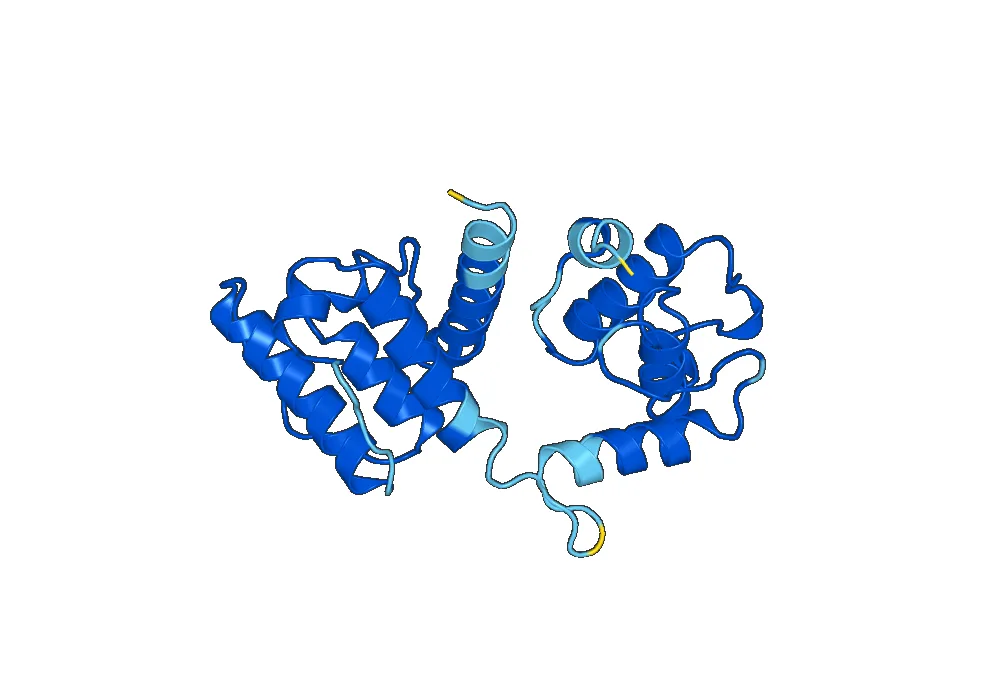
Recombinant Human ACTN1 Protein is composed of 893 amino acids and has a molecular weight of 103 kDa. It is a dimeric protein, meaning it is made up of two identical subunits. Each subunit consists of three domains: an N-terminal actin-binding domain, a central rod domain, and a C-terminal calmodulin-like domain. The N-terminal actin-binding domain is responsible for binding to actin filaments, while the central rod domain mediates dimerization and interaction with other proteins. The C-terminal calmodulin-like domain is involved in calcium-dependent regulation of ACTN1 activity.
Activity of Recombinant Human ACTN1 Protein
Recombinant Human ACTN1 Protein is primarily known for its role in actin cytoskeleton organization. It binds to actin filaments and cross-links them, providing structural support to the cell. This activity is essential for cell adhesion, migration, and movement. Additionally, ACTN1 has been found to interact with various signaling molecules, such as integrins and growth factor receptors, and regulate their activity. This suggests that ACTN1 may also play a role in cell signaling pathways.
Applications of Recombinant Human ACTN1 Protein
Recombinant Human ACTN1 Protein has a wide range of applications in both research and therapeutic fields. Some of the key applications include:
1. Research
ACTN1 is a widely studied protein, and its recombinant form is commonly used in research settings. It can be used to study the structure and function of the actin cytoskeleton and its role in cellular processes. Recombinant ACTN1 can also be used to investigate the interaction of ACTN1 with other proteins and signaling molecules.
2. Diagnostic Assays
ACTN1 has been identified as a potential biomarker for various diseases, including cancer and heart disease. Recombinant Human ACTN1 Protein can be used in diagnostic assays to detect the presence of ACTN1 in patient samples, providing valuable information for disease diagnosis and monitoring.
3. Therapeutic Applications
Due to its role in cell adhesion and migration, ACTN1 has been implicated in various diseases, such as cancer and cardiovascular diseases. Recombinant Human ACTN1 Protein can be used as a therapeutic agent to disrupt the function of ACTN1 in these diseases. Additionally, ACTN1 has been found to be involved in muscle development and regeneration, making it a potential therapeutic target for muscle-related disorders.
4. Vaccine Development
Recombinant Human ACTN1 Protein has also been studied as a potential antigen for vaccine development. It has been shown to induce a strong immune response and can potentially be used as a component of a vaccine against certain diseases.
Conclusion
In summary, Recombinant Human ACTN1 Protein is a critical protein involved in cell structure and function. Its structure, activity, and applications make it a valuable tool in research and a potential target for therapeutic interventions. With further research, this protein could potentially lead to new treatments for various diseases and contribute to a better understanding of cellular processes.

There are no reviews yet.