Introduction
Recombinant Human ACVRL1/ALK-1 Protein is a type of recombinant protein that plays a crucial role in various biological processes. This protein is also known as Activin Receptor-Like Kinase 1 (ALK-1) and is encoded by the ACVRL1 gene. It belongs to the TGF-beta receptor family and is involved in the regulation of cell growth, differentiation, and angiogenesis. In this article, we will discuss the structure, activity, and application of Recombinant Human ACVRL1/ALK-1 Protein.
Structure of Recombinant Human ACVRL1/ALK-1 Protein
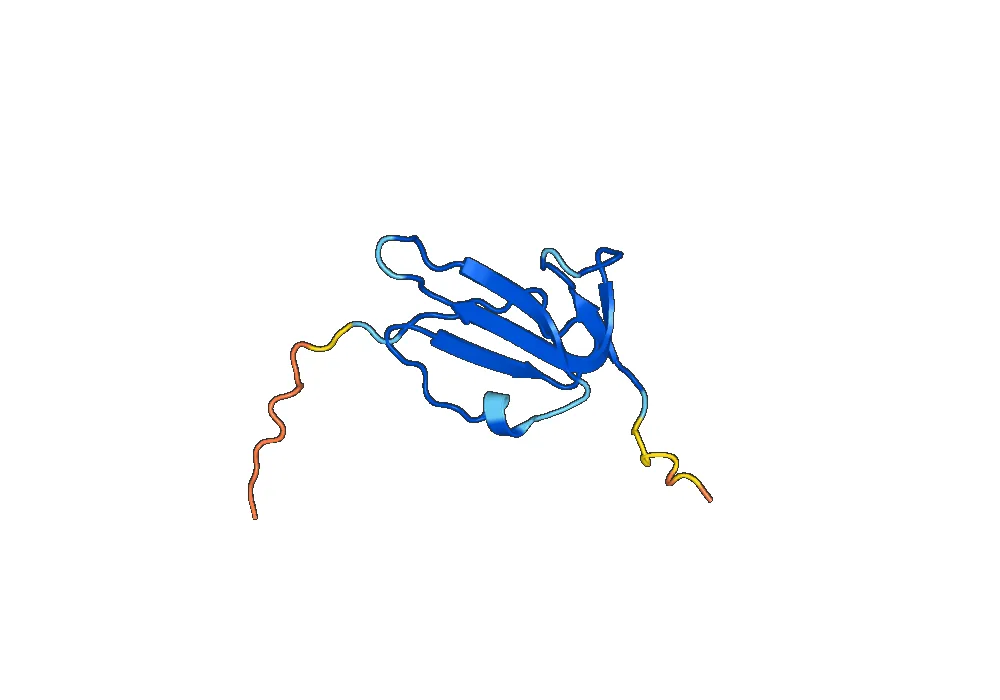
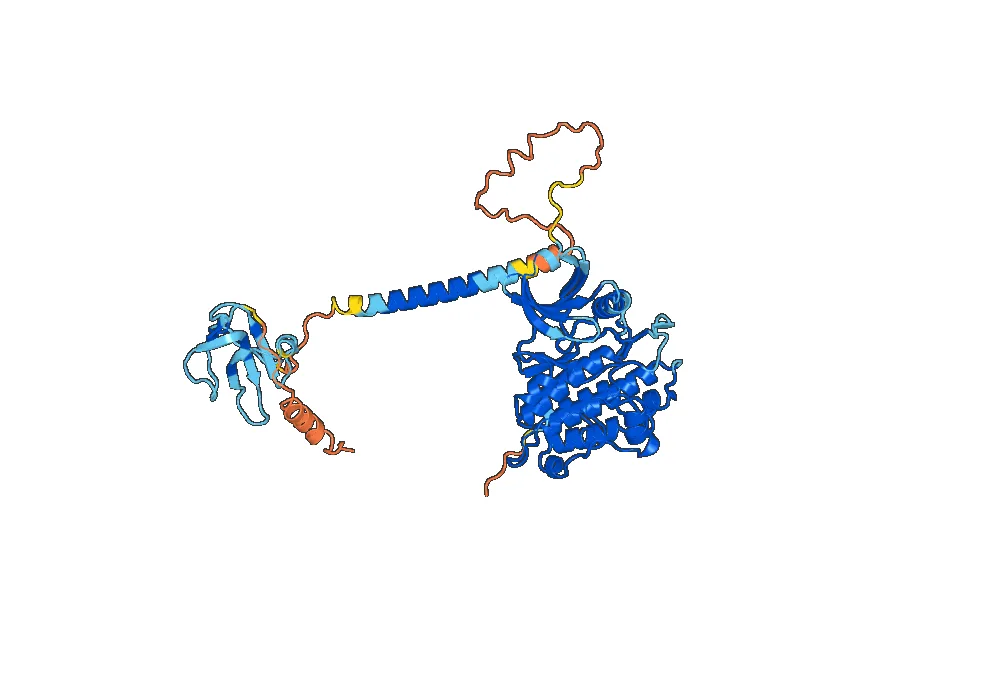
Recombinant Human ACVRL1/ALK-1 Protein is a transmembrane protein that consists of 503 amino acids. It has an extracellular domain, a transmembrane domain, and an intracellular domain. The extracellular domain contains a ligand-binding site and two cysteine-rich domains, while the intracellular domain has a serine/threonine kinase domain. The transmembrane domain connects the extracellular and intracellular domains and helps in signal transduction.
Activity of Recombinant Human ACVRL1/ALK-1 Protein
Recombinant Human ACVRL1/ALK-1 Protein plays a crucial role in the TGF-beta signaling pathway. It acts as a receptor for TGF-beta ligands, including TGF-beta1, TGF-beta2, and TGF-beta3. Upon binding of the ligand, the extracellular domain of Recombinant Human ACVRL1/ALK-1 Protein undergoes conformational changes, resulting in the activation of the intracellular kinase domain. This, in turn, leads to the phosphorylation of downstream signaling molecules, such as SMAD proteins, which regulate gene expression and cellular processes.
One of the main functions of Recombinant Human ACVRL1/ALK-1 Protein is its role in angiogenesis, the formation of new blood vessels. It is expressed in endothelial cells, which line the inner surface of blood vessels, and plays a crucial role in their development and maintenance. Recombinant Human ACVRL1/ALK-1 Protein also regulates the proliferation and migration of endothelial cells, which are essential for the formation of new blood vessels.
Application of Recombinant Human ACVRL1/ALK-1 Protein
Recombinant Human ACVRL1/ALK-1 Protein has various applications in both research and therapeutic settings. It is commonly used in in vitro studies to investigate the role of TGF-beta signaling in different cellular processes. Recombinant Human ACVRL1/ALK-1 Protein is also used in drug discovery and development, as it is a potential target for the treatment of various diseases, such as cancer and cardiovascular diseases.
In addition, Recombinant Human ACVRL1/ALK-1 Protein has therapeutic applications in the treatment of hereditary hemorrhagic telangiectasia (HHT). HHT is a genetic disorder that affects blood vessels and can lead to severe bleeding and organ damage. Recombinant Human ACVRL1/ALK-1 Protein has been shown to be effective in reducing the severity of nosebleeds, a common symptom of HHT, and has potential for further development as a treatment for this disease.
Conclusion
Recombinant Human ACVRL1/ALK-1 Protein is a crucial protein involved in the TGF-beta signaling pathway and plays a significant role in angiogenesis. Its structure, activity, and various applications make it an essential protein in both research and therapeutic settings. Further studies on Recombinant Human ACVRL1/ALK-1 Protein may lead to the development of new treatments for diseases such as HHT and provide a better understanding of the role of TGF-beta signaling in various biological processes.


There are no reviews yet.