Introduction
Recombinant Human ADAMTSL4 Protein is a protein that is produced through genetic engineering techniques in a laboratory setting. This protein is a member of the ADAMTS (a disintegrin and metalloproteinase with thrombospondin motifs) family and is involved in various biological processes such as extracellular matrix organization, cell adhesion, and tissue development.
Structure of Recombinant Human ADAMTSL4 Protein
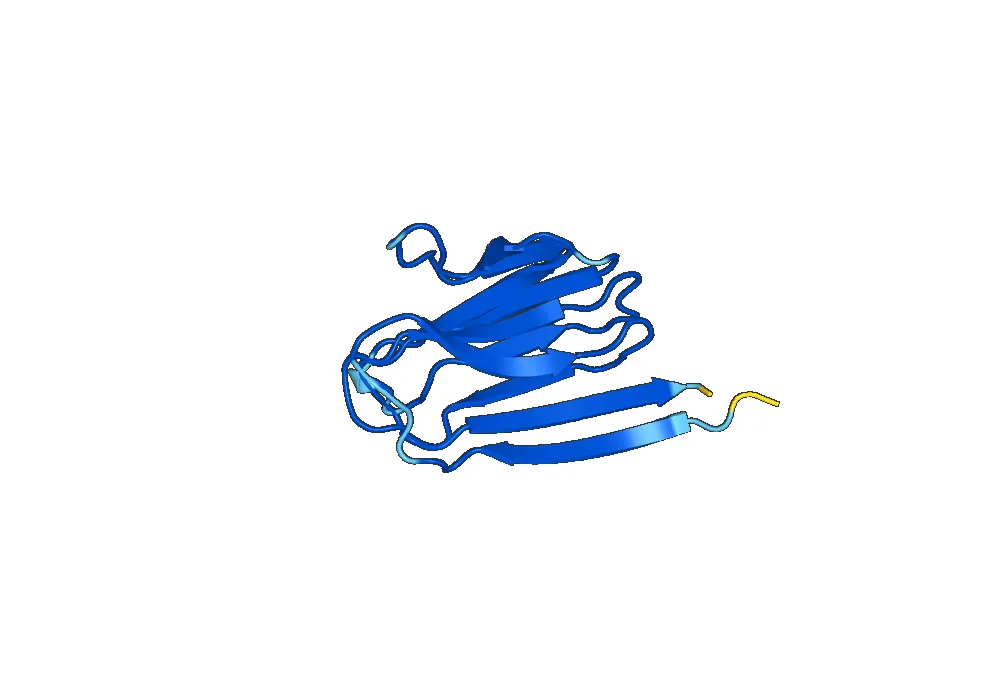
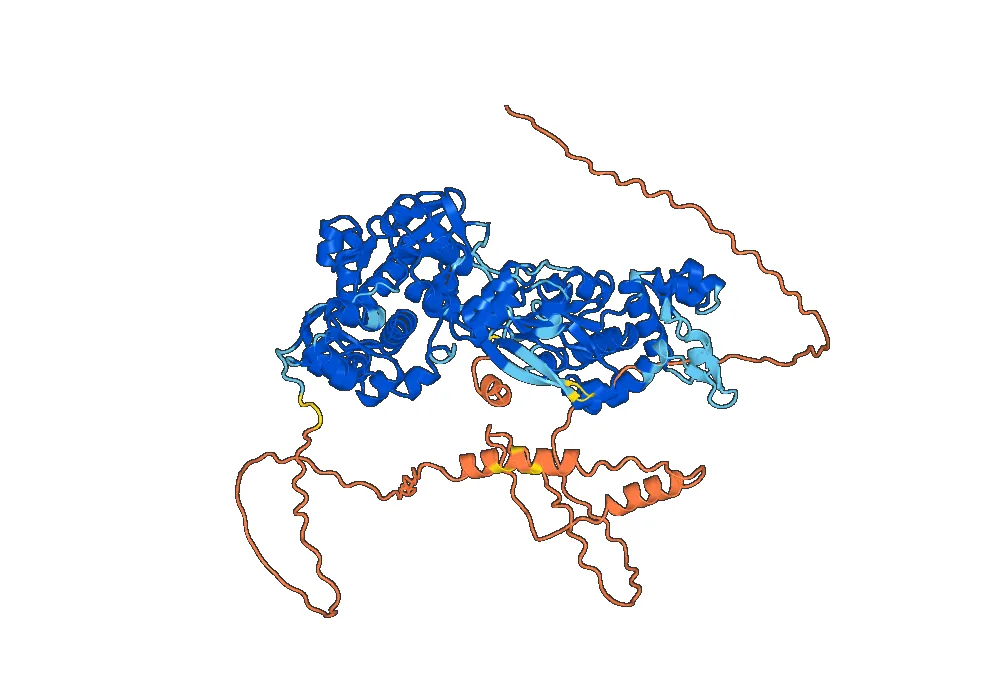
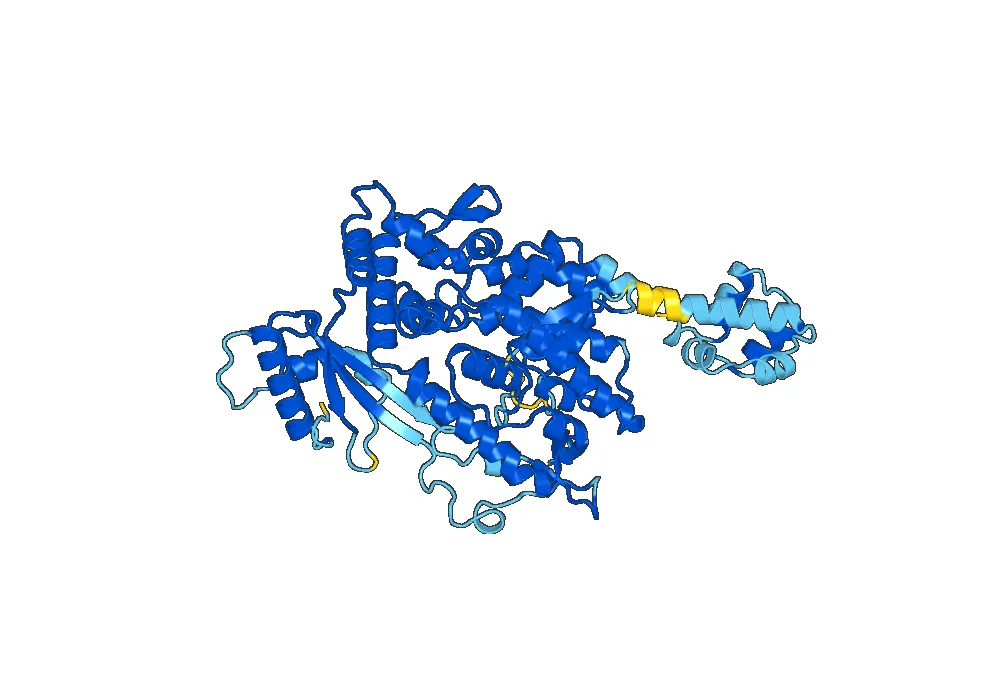
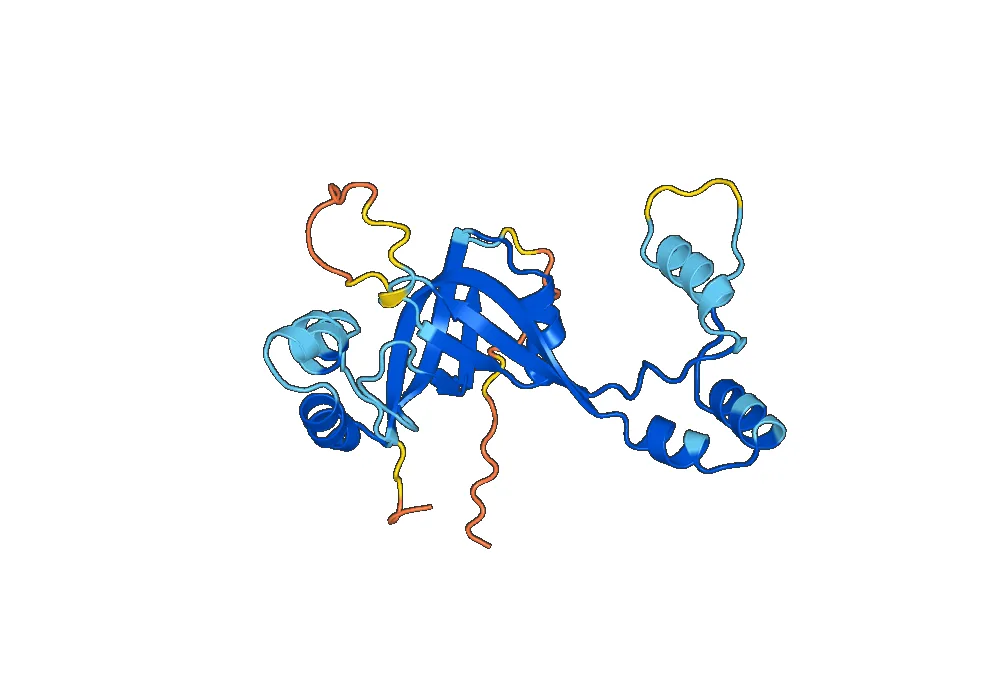
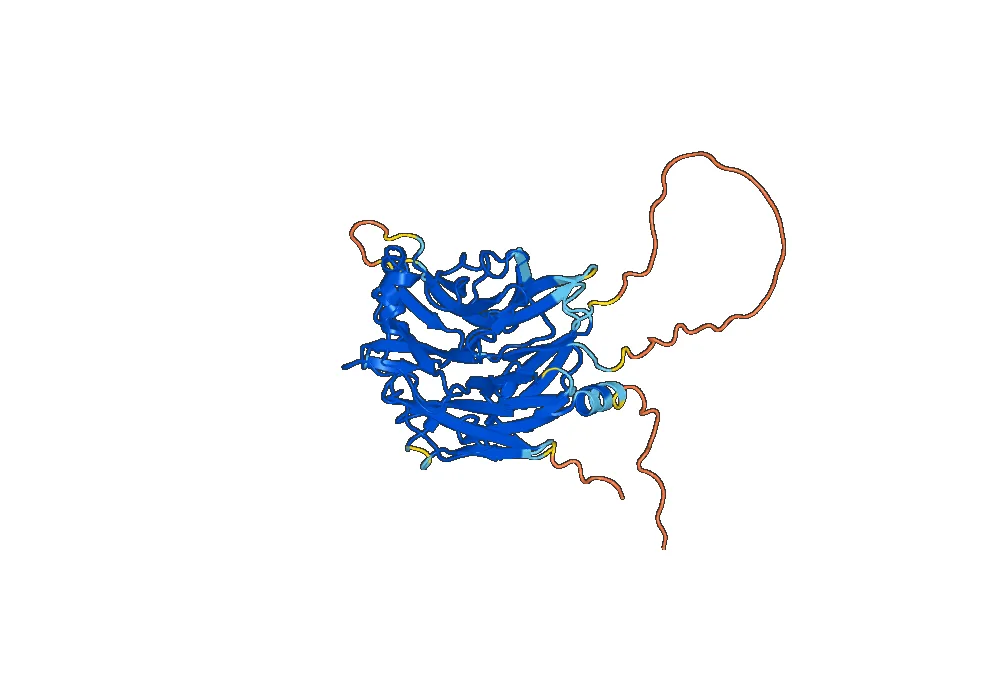
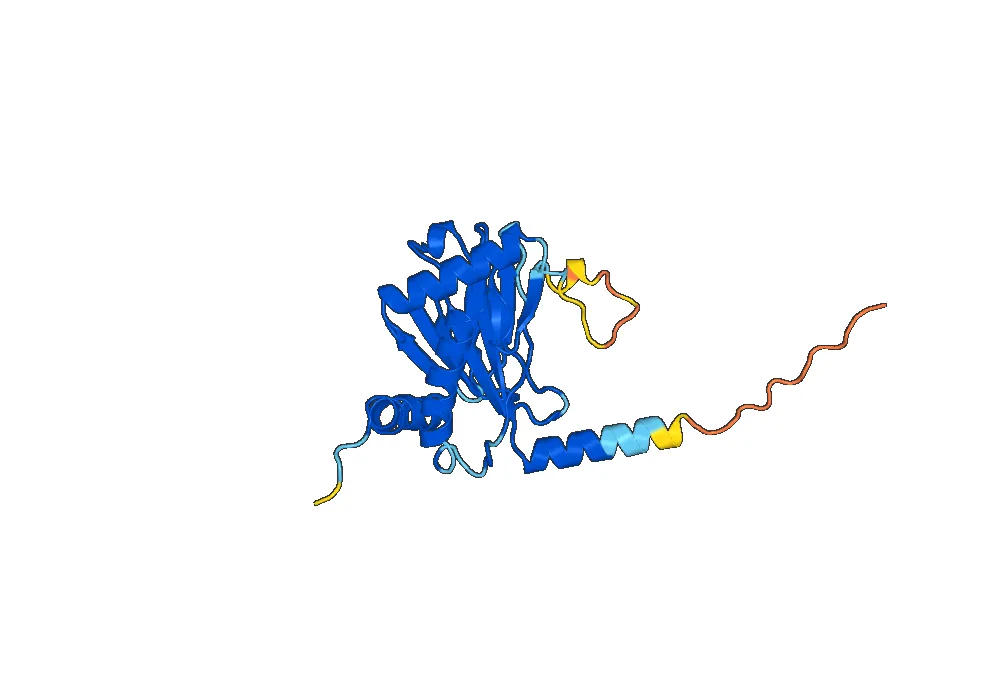
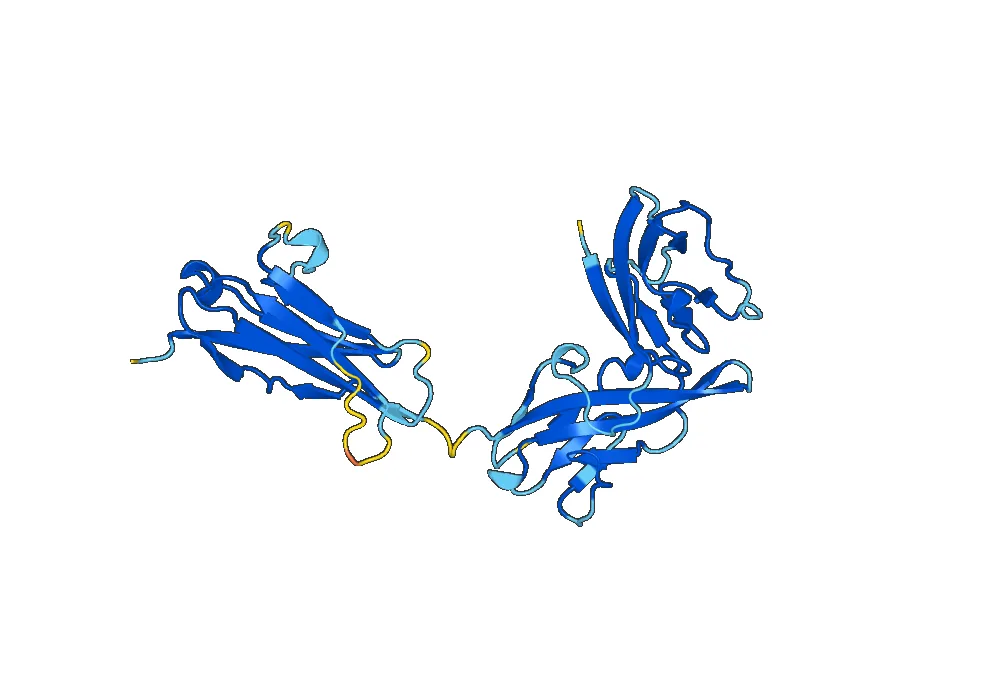
The structure of Recombinant Human ADAMTSL4 Protein is composed of 1080 amino acids with a molecular weight of approximately 120 kDa. It contains a signal peptide at the N-terminus, followed by a prodomain, a metalloproteinase domain, a disintegrin-like domain, a thrombospondin type 1 motif, and a cysteine-rich domain at the C-terminus.
The metalloproteinase domain of Recombinant Human ADAMTSL4 Protein is responsible for its enzymatic activity, which involves the cleavage of extracellular matrix proteins. The disintegrin-like domain is involved in cell adhesion, while the thrombospondin type 1 motif is responsible for binding to extracellular matrix proteins. The cysteine-rich domain is important for protein-protein interactions and is also thought to play a role in protein folding and stability.
Activity of Recombinant Human ADAMTSL4 Protein
Recombinant Human ADAMTSL4 Protein has been shown to have proteolytic activity, specifically towards aggrecan, a major component of cartilage. This activity is important for maintaining the integrity of the extracellular matrix and is crucial for tissue development and homeostasis.
In addition to its enzymatic activity, Recombinant Human ADAMTSL4 Protein has been found to have cell adhesion properties. It can interact with various cell surface receptors and extracellular matrix proteins, which may play a role in cell signaling and tissue development.
Studies have also shown that Recombinant Human ADAMTSL4 Protein can regulate the activity of other proteins, such as transforming growth factor-beta (TGF-β), which is involved in various cellular processes including cell growth, differentiation, and apoptosis. This suggests that Recombinant Human ADAMTSL4 Protein may have a broader role in modulating cellular functions.
Application of Recombinant Human ADAMTSL4 Protein
Recombinant Human ADAMTSL4 Protein has various potential applications in both research and therapeutic settings. Its ability to cleave extracellular matrix proteins makes it a valuable tool for studying tissue development and homeostasis. It can also be used to investigate the role of extracellular matrix proteins in disease processes such as osteoarthritis and cancer.
In terms of therapeutics, Recombinant Human ADAMTSL4 Protein has shown potential in the treatment of cartilage-related disorders. Its ability to degrade aggrecan may be beneficial in preventing or slowing the progression of osteoarthritis. Additionally, its role in regulating TGF-β activity may have implications in cancer therapy, as TGF-β is known to promote tumor growth and metastasis.
Conclusion
In summary, Recombinant Human ADAMTSL4 Protein is a multifunctional protein with important roles in extracellular matrix organization, cell adhesion, and protein regulation. Its structure, activity, and potential applications make it a valuable tool for both research and therapeutic purposes. Further studies on this protein may reveal new insights into its functions and potential uses in various diseases.


There are no reviews yet.