Introduction
Recombinant Human ASIC1 Protein, also known as Acid-sensing ion channel 1, is a protein that plays a crucial role in the regulation of acid-sensing and pain sensation in the human body. This protein is a member of the ASIC family of proteins, which are ion channels that are activated by extracellular protons and contribute to the acid-sensing mechanism in the central and peripheral nervous system. In this article, we will discuss the structure, activity, and applications of Recombinant Human ASIC1 Protein in detail.
Structure of Recombinant Human ASIC1 Protein
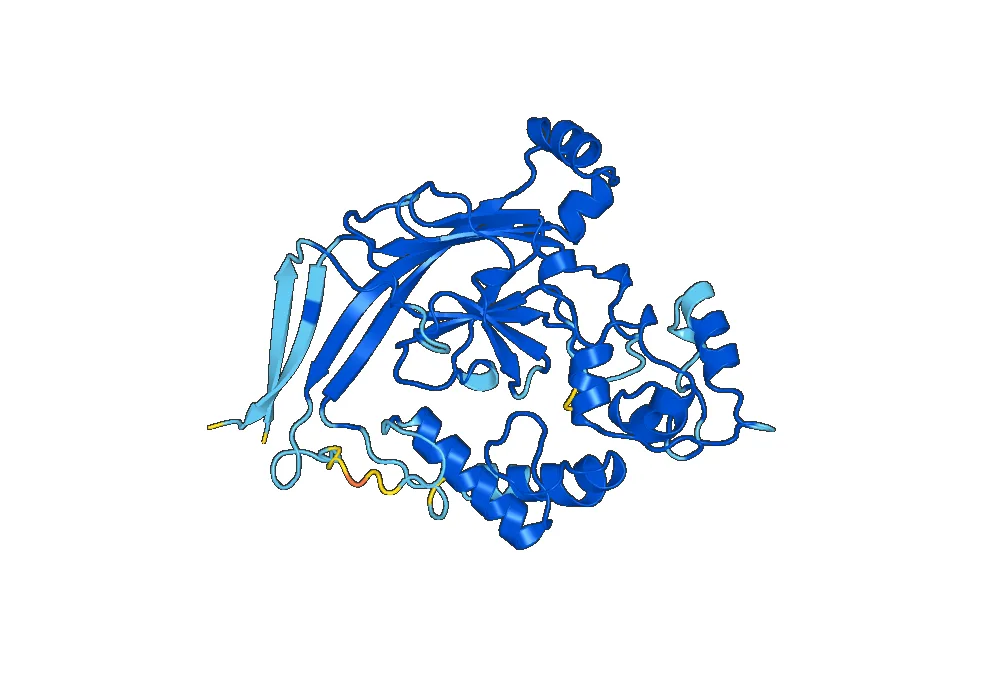
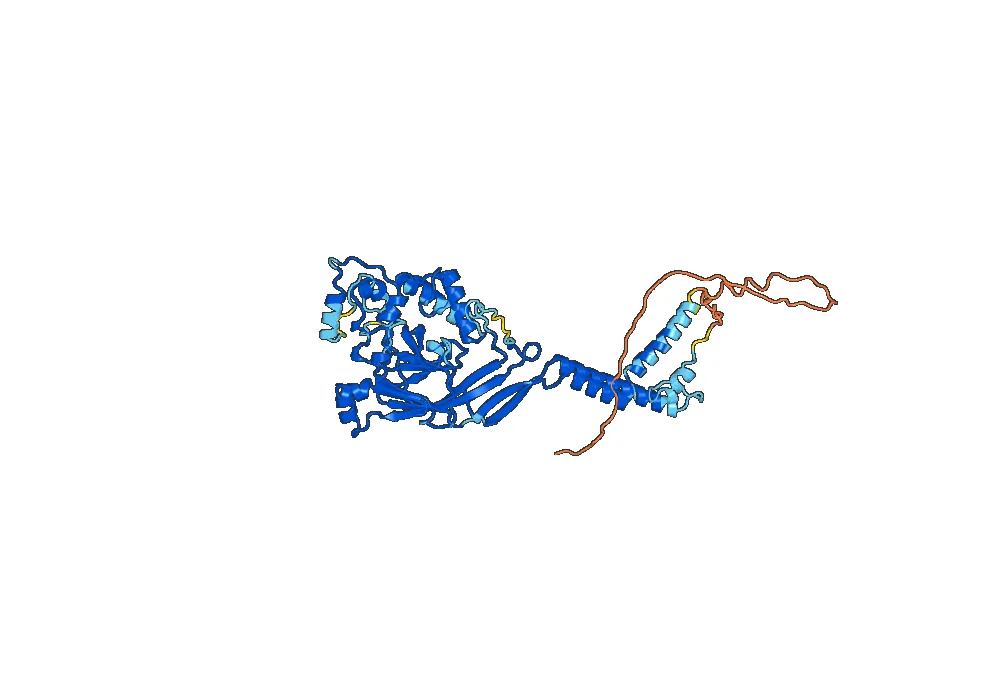
Recombinant Human ASIC1 Protein is a transmembrane protein that consists of 528 amino acids. It is composed of a large extracellular domain, two transmembrane domains, and a short intracellular C-terminal domain. The extracellular domain contains a conserved cysteine-rich region, which is involved in the formation of disulfide bonds and plays a crucial role in regulating the channel’s activity. The transmembrane domains form the ion channel pore, which allows the passage of ions, and the intracellular C-terminal domain is involved in the regulation of channel activity and trafficking.
Activity of Recombinant Human ASIC1 Protein
Recombinant Human ASIC1 Protein is primarily expressed in sensory neurons and is involved in the detection of extracellular acidosis. It is activated by a decrease in extracellular pH, which leads to the opening of the ion channel and the influx of cations, such as sodium and calcium, into the cell. This influx of ions results in neuronal depolarization, which leads to the sensation of pain. Moreover, Recombinant Human ASIC1 Protein is also involved in various physiological processes, including synaptic transmission, learning, and memory.
The activity of Recombinant Human ASIC1 Protein is tightly regulated by various factors, including pH, temperature, and various modulators. For instance, the channel is activated by low pH, but its activity is also enhanced by high temperatures, which is why it is considered a thermosensitive channel. Additionally, the channel’s activity is modulated by various neurotransmitters, hormones, and signaling molecules, which can either increase or decrease its activity.
Applications of Recombinant Human ASIC1 Protein
The unique properties and functions of Recombinant Human ASIC1 Protein make it an attractive target for various applications in the field of neuroscience and drug discovery. One of the major applications of this protein is in the study of pain sensation and its underlying mechanisms. By understanding the role of Recombinant Human ASIC1 Protein in pain sensation, researchers can develop new therapies and drugs for the treatment of chronic pain conditions.
Moreover, Recombinant Human ASIC1 Protein has also been implicated in various neurological disorders, including migraine, epilepsy, and anxiety. By studying the structure and function of this protein, researchers can gain a better understanding of these disorders and develop new treatments targeting Recombinant Human ASIC1 Protein.
Furthermore, Recombinant Human ASIC1 Protein has also been studied for its potential as a therapeutic target for cancer. Studies have shown that this protein is overexpressed in certain types of cancer cells, and its inhibition can lead to cell death. Therefore, Recombinant Human ASIC1 Protein inhibitors are being explored as a potential treatment for cancer.
Conclusion
In conclusion, Recombinant Human ASIC1 Protein is a crucial protein involved in the regulation of acid-sensing and pain sensation in the human body. Its unique structure and activity make it an attractive target for various applications in the field of neuroscience and drug discovery. Further research on this protein can lead to a better understanding of its role in various physiological and pathological processes, and potentially lead to the development of new treatments for pain and neurological disorders.


There are no reviews yet.