Introduction
Recombinant proteins have become an essential tool in biomedical research and drug development due to their ability to mimic naturally occurring proteins with high specificity and activity. One such recombinant protein is the human ATP1B1 protein, which plays a crucial role in cellular energy metabolism and has been extensively studied for its potential applications in various diseases. In this article, we will delve into the structure, activity, and application of recombinant human ATP1B1 protein.
Structure of Recombinant Human ATP1B1 Protein
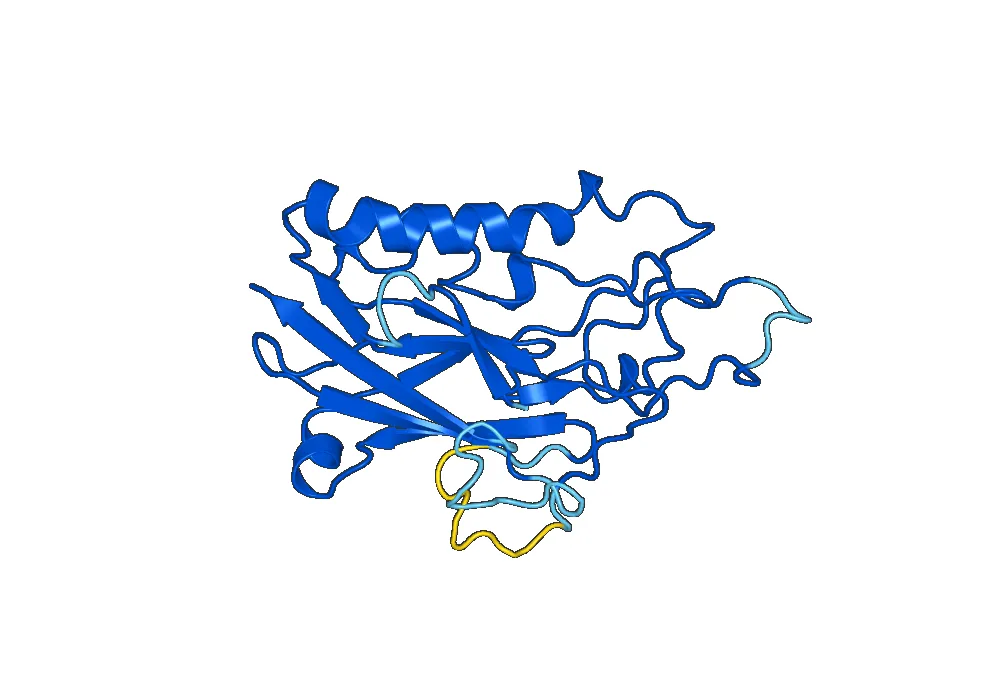
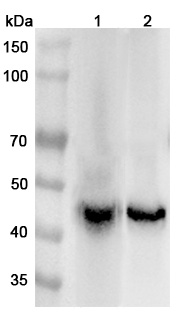
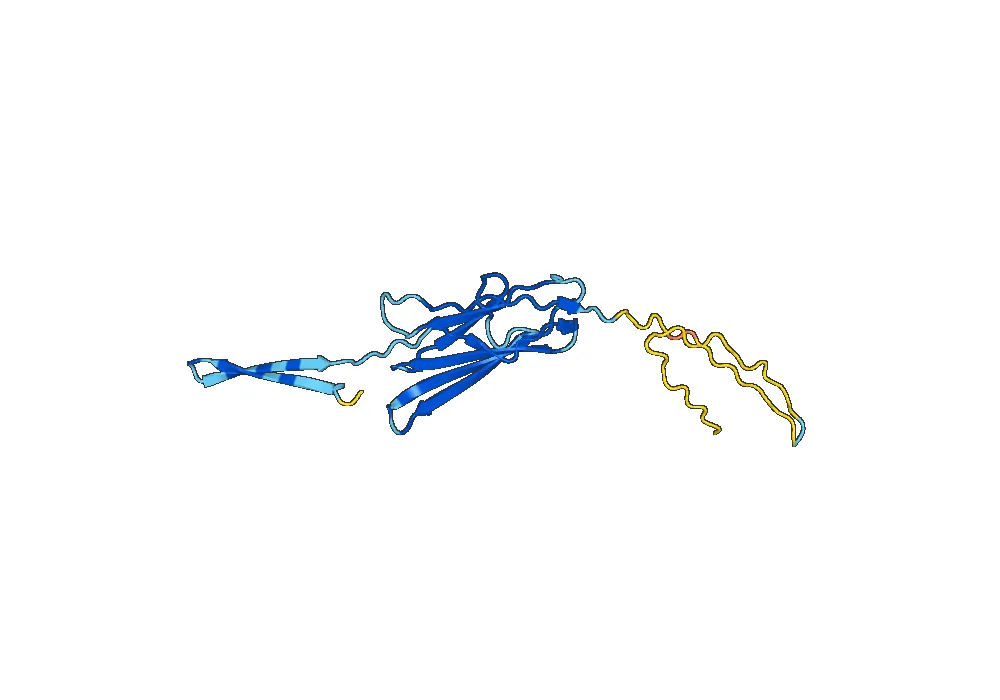
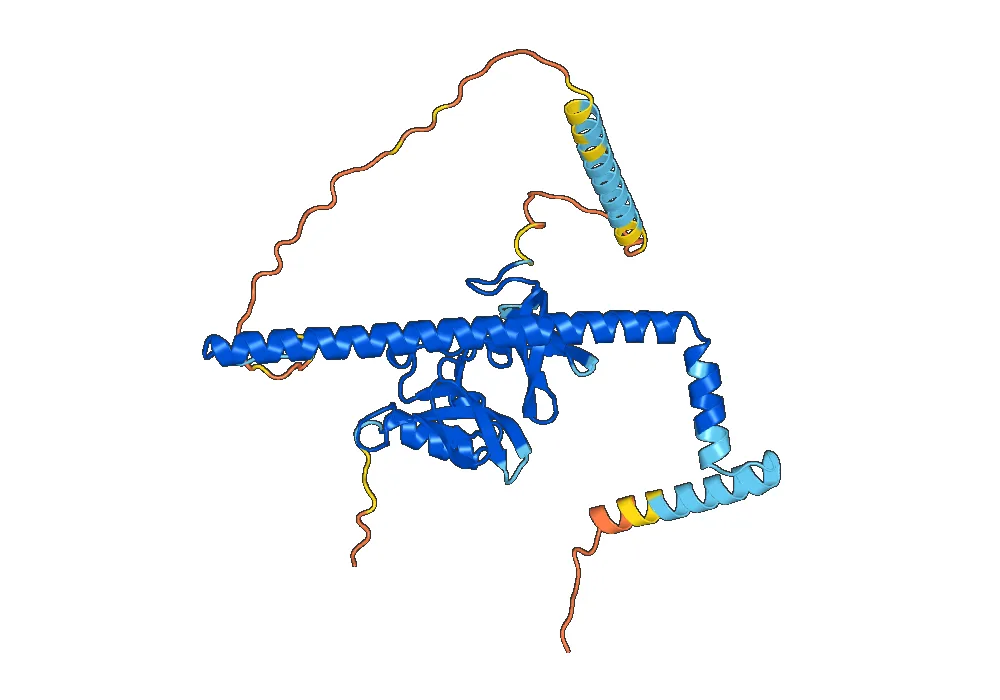
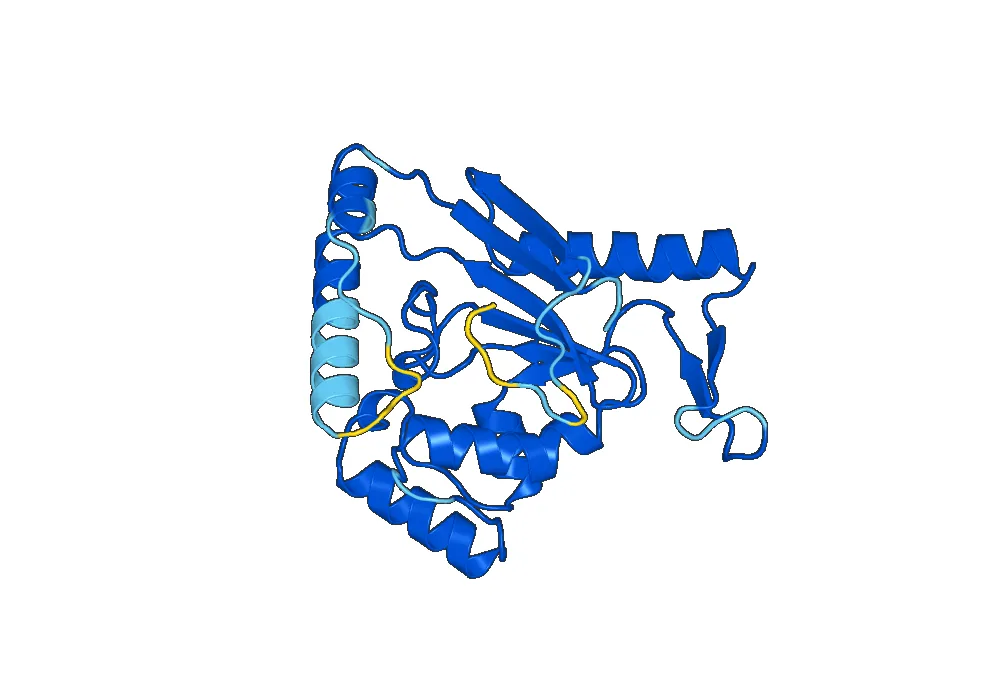
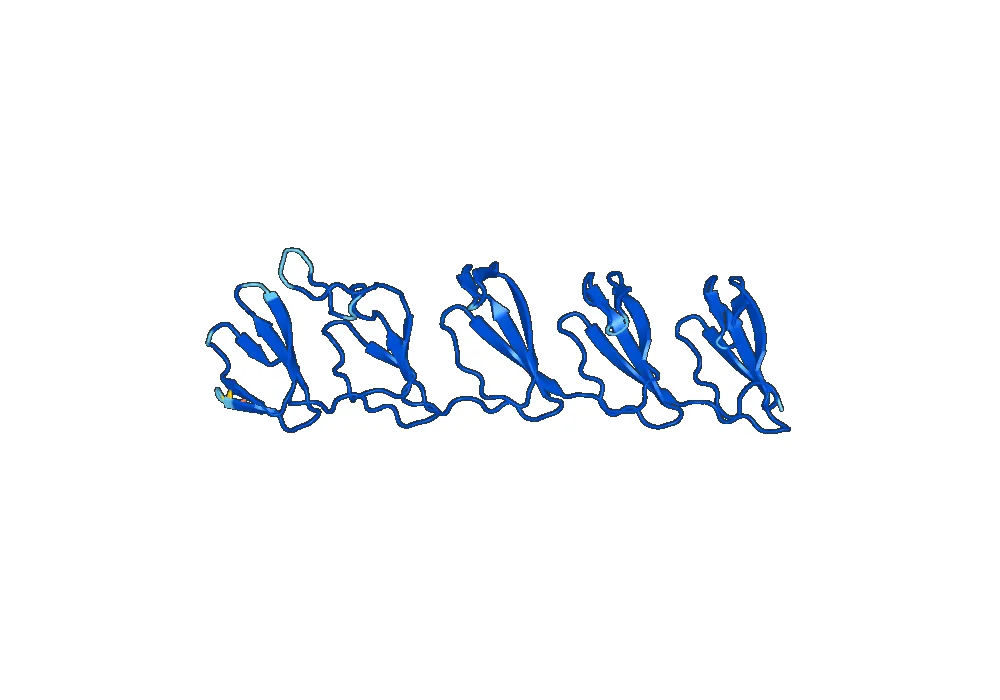
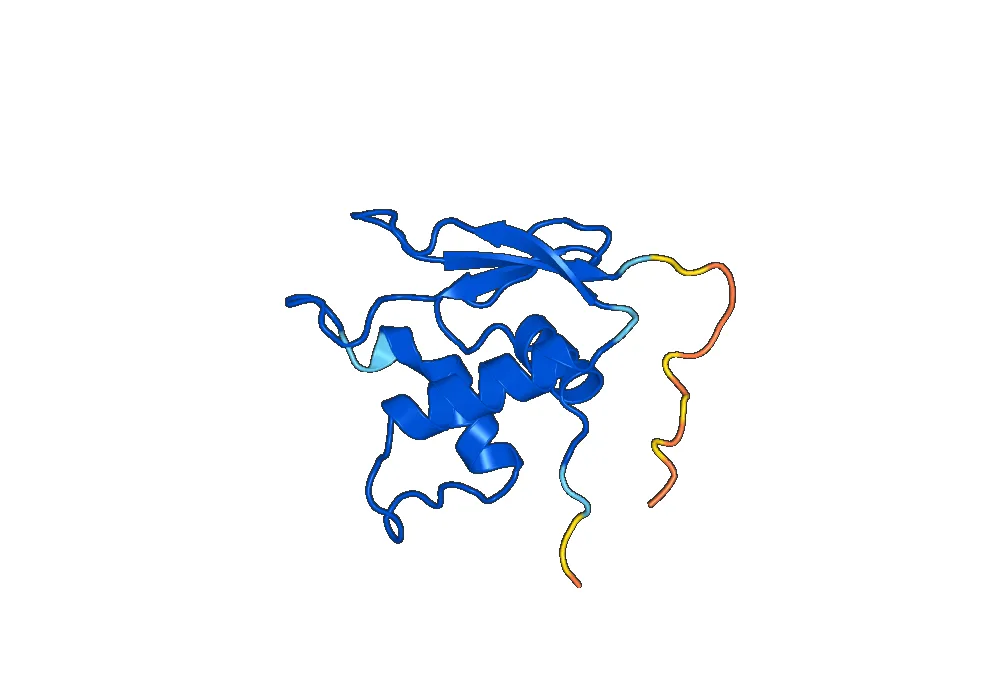
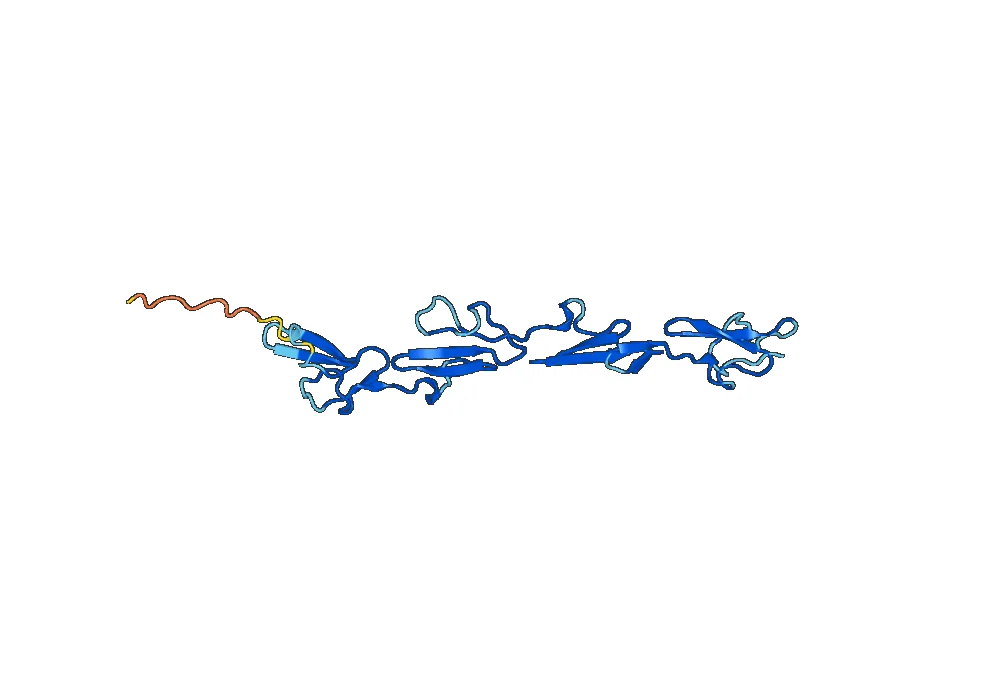
The ATP1B1 protein, also known as the sodium/potassium-transporting ATPase subunit beta-1, is a transmembrane protein that is composed of 290 amino acids. It is a subunit of the Na+/K+-ATPase enzyme, which is responsible for maintaining the electrochemical gradient across the cell membrane by pumping sodium out and potassium in. The recombinant human ATP1B1 protein is produced by cloning the gene encoding for the protein into a suitable expression vector and expressing it in host cells, such as bacteria or mammalian cells. This allows for the production of large quantities of the protein in a purified form for further studies.
Activity of Recombinant Human ATP1B1 Protein
The main function of the ATP1B1 protein is to regulate the activity of the Na+/K+-ATPase enzyme. It binds to the catalytic subunit of the enzyme and helps in its proper folding and assembly. This, in turn, ensures the proper functioning of the enzyme in maintaining the ionic balance of the cell. The recombinant human ATP1B1 protein has been shown to have similar activity as the native protein, making it a valuable tool for studying the role of the protein in various cellular processes.
Application of Recombinant Human ATP1B1 Protein
The recombinant human ATP1B1 protein has been extensively studied for its potential applications in various diseases. One of the most promising applications is in cancer treatment. Studies have shown that the ATP1B1 protein is overexpressed in many types of cancer, and its inhibition leads to reduced tumor growth and increased sensitivity to chemotherapy. Therefore, the recombinant human ATP1B1 protein can be used as a potential target for cancer therapy.
Furthermore, the ATP1B1 protein has also been implicated in neurological disorders such as schizophrenia and bipolar disorder. The recombinant human ATP1B1 protein can be used to study the role of the protein in these disorders and potentially develop novel treatments.
In addition, the ATP1B1 protein has been shown to have a role in cardiovascular diseases, such as hypertension and heart failure. The recombinant human ATP1B1 protein can be used to study the mechanisms underlying these diseases and develop new therapeutic strategies.
Conclusion
In summary, the recombinant human ATP1B1 protein is a valuable tool for studying the structure, activity, and application of this important protein. Its production in large quantities allows for its use in various research studies and potential therapeutic applications. With further research, the recombinant human ATP1B1 protein has the potential to contribute to the development of new treatments for various diseases.

There are no reviews yet.