Introduction to Recombinant Human BUB1 Protein
Recombinant Human BUB1 Protein, also known as BUB1, is a highly conserved protein that plays a crucial role in the mitotic checkpoint pathway. This protein is encoded by the BUB1 gene and is involved in regulating cell division and ensuring the accurate segregation of chromosomes during cell division. Recombinant Human BUB1 Protein is produced through recombinant DNA technology, making it a valuable tool for scientific research and potential therapeutic applications.
Structure of Recombinant Human BUB1 Protein
Recombinant Human BUB1 Protein is a large protein with a molecular weight of approximately 120 kDa. It is composed of 1050 amino acids and contains several functional domains, including a kinase domain, a nuclear localization signal, and a C-terminal domain. The kinase domain of BUB1 is responsible for its enzymatic activity, while the C-terminal domain is involved in protein-protein interactions.
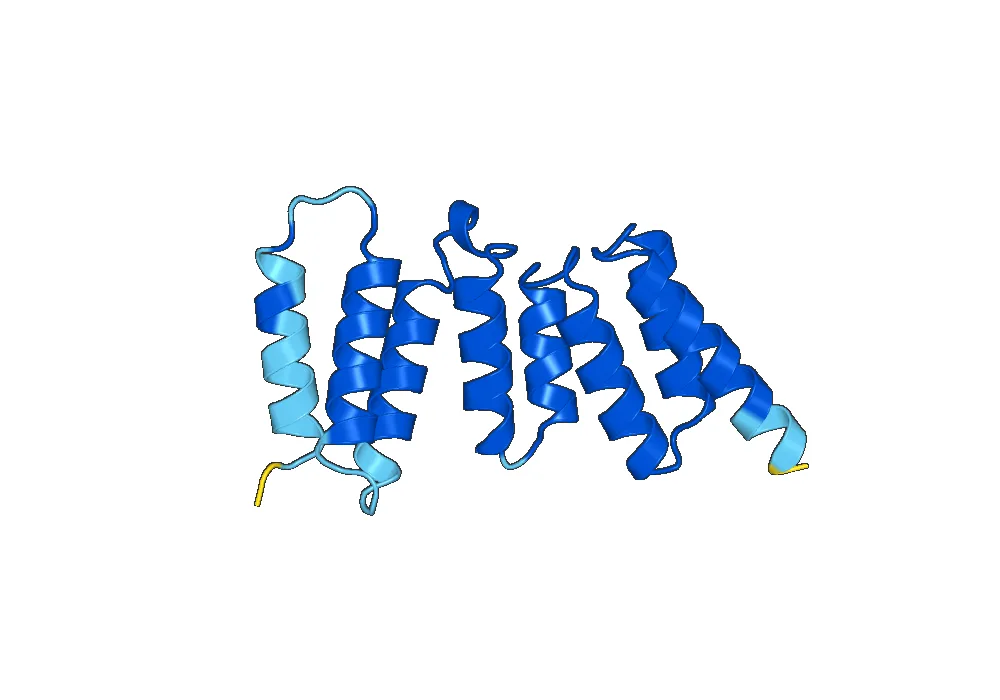
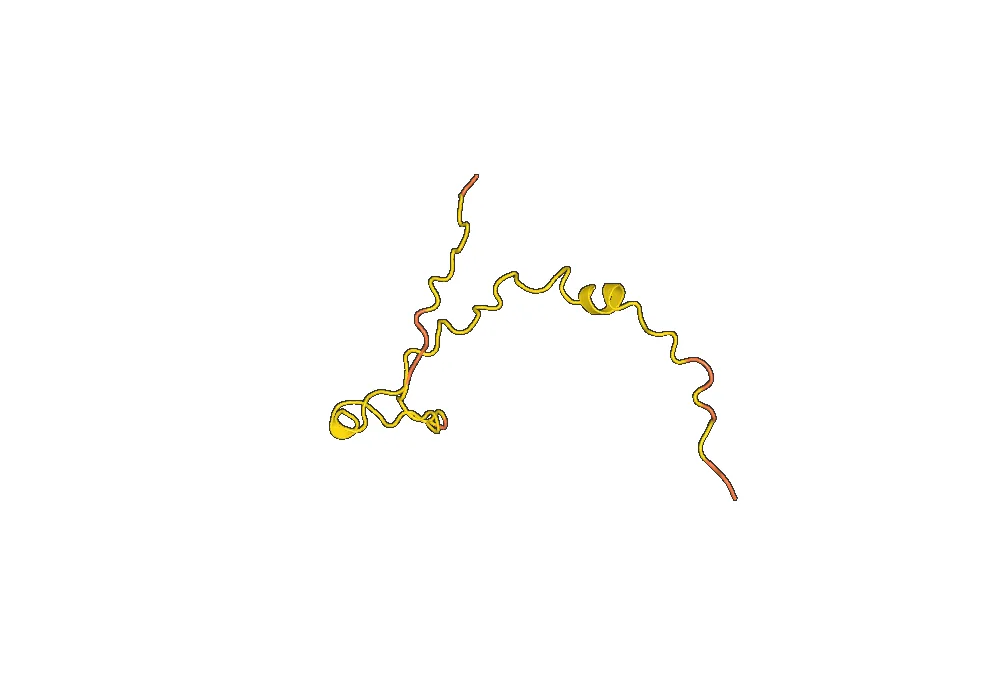
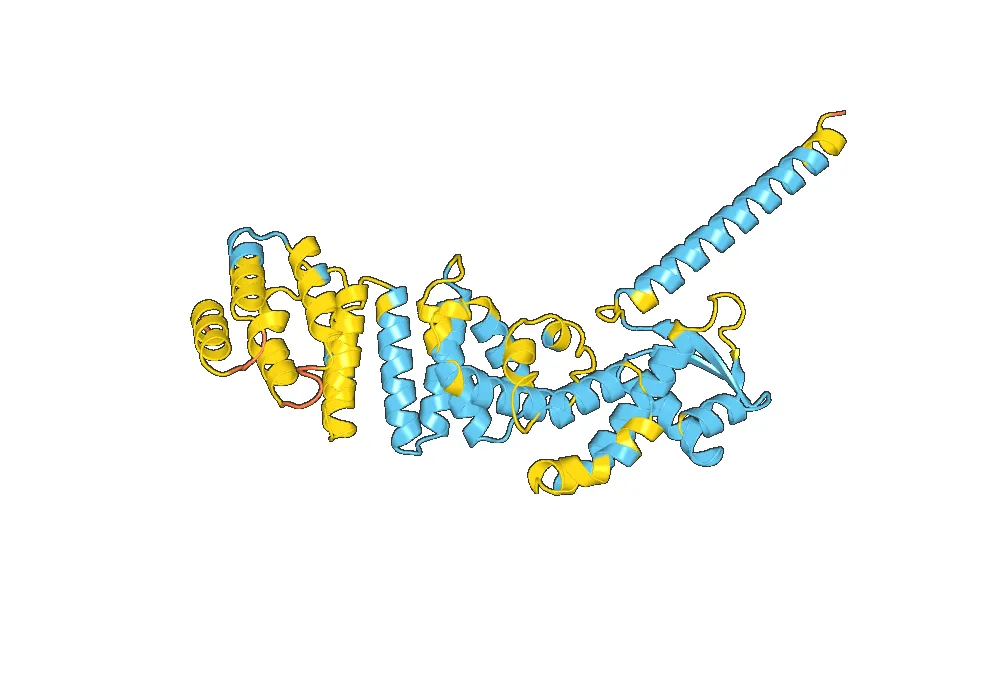
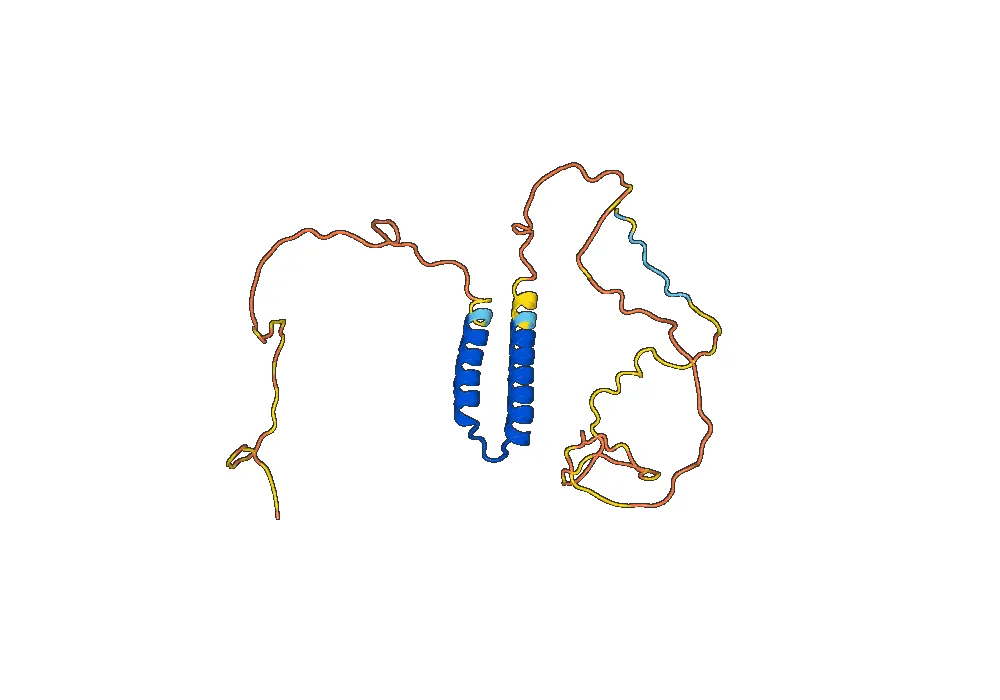
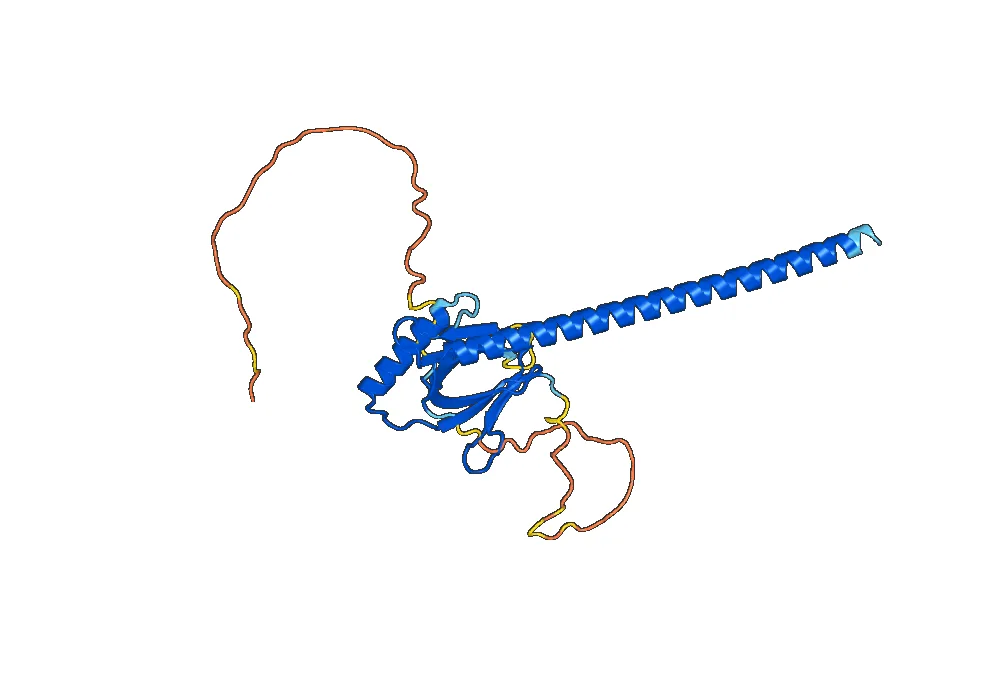
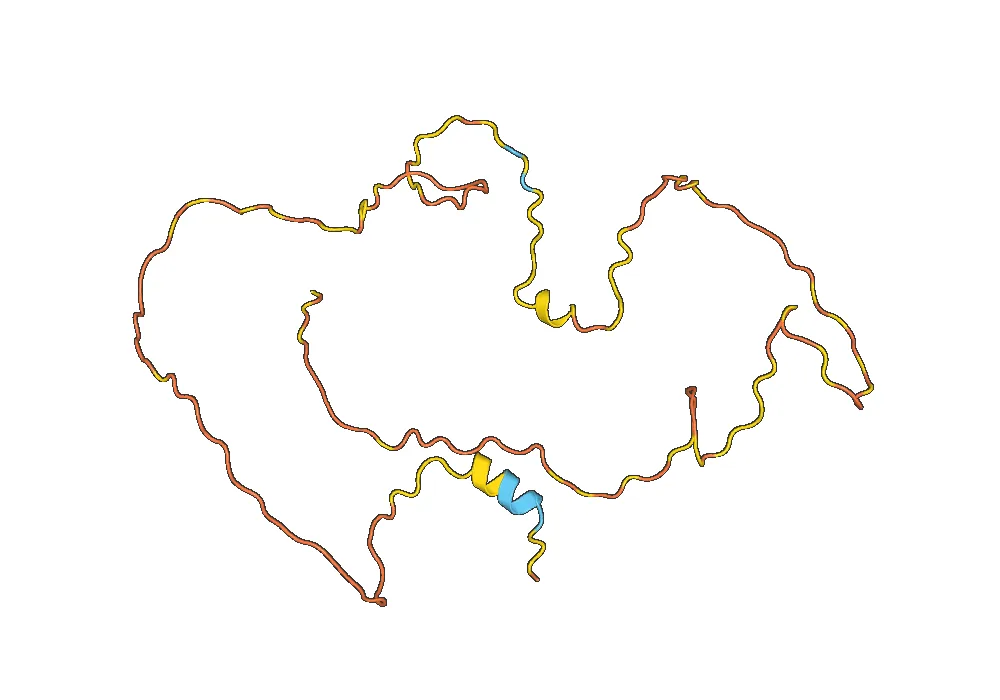
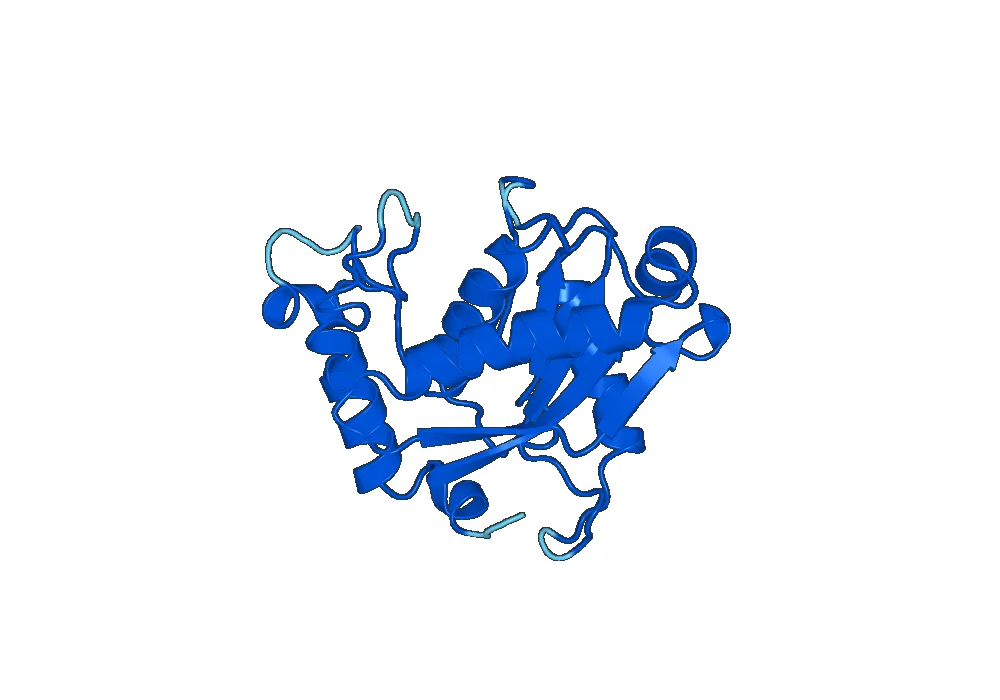
The crystal structure of Recombinant Human BUB1 Protein has been determined, revealing a globular structure with a central catalytic core surrounded by several regulatory domains. This structure allows Recombinant Human BUB1 Protein to interact with other proteins and play a critical role in the mitotic checkpoint pathway.
Activity of Recombinant Human BUB1 Protein
Recombinant Human BUB1 Protein is a key component of the mitotic checkpoint pathway, which is responsible for monitoring the proper alignment and attachment of chromosomes during cell division. This protein acts as a checkpoint kinase and plays a crucial role in delaying the onset of anaphase until all chromosomes are properly attached to the mitotic spindle.
In addition to its role in the mitotic checkpoint, Recombinant Human BUB1 Protein has also been shown to regulate other cellular processes, including DNA damage response and cell cycle progression. It has been found to interact with various proteins involved in these pathways, highlighting its importance in maintaining genomic stability and preventing the development of cancer.
Application of Recombinant Human BUB1 Protein
Recombinant Human BUB1 Protein has a wide range of applications in scientific research, particularly in the fields of cell biology and cancer research. Its role in the mitotic checkpoint pathway makes it a valuable tool for studying cell division and chromosome segregation. It has also been used to investigate the mechanisms of action of various anti-cancer drugs and to identify potential therapeutic targets.
Furthermore, Recombinant Human BUB1 Protein has potential therapeutic applications in cancer treatment. Aberrant expression or mutations in the BUB1 gene have been linked to various types of cancer, making it a potential target for cancer therapy. Recombinant Human BUB1 Protein could be used as a drug target or as a therapeutic agent itself, with the potential to inhibit cancer cell growth and promote cell death.
Conclusion
Recombinant Human BUB1 Protein is a crucial protein involved in the regulation of cell division and maintenance of genomic stability. Its structure and activity have been extensively studied, and it has been found to have various applications in scientific research and potential therapeutic uses. As research on this protein continues, it is likely to uncover even more insights into its role in cellular processes and its potential for treating diseases such as cancer.

There are no reviews yet.