Introduction to Recombinant Human CADM3/NECL-1/TSLL1 Protein
Recombinant Human CADM3/NECL-1/TSLL1 Protein, also known as Cell Adhesion Molecule 3 (CADM3), Nectin-like molecule 1 (NECL-1) or Tumor Suppressor in Lung Cancer-1 (TSLL1), is a protein that plays a crucial role in cell adhesion and signaling. It is a member of the Nectin-like (Necl) family of proteins, which are involved in various biological processes including cell adhesion, migration, and proliferation.
Structure of Recombinant Human CADM3/NECL-1/TSLL1 Protein
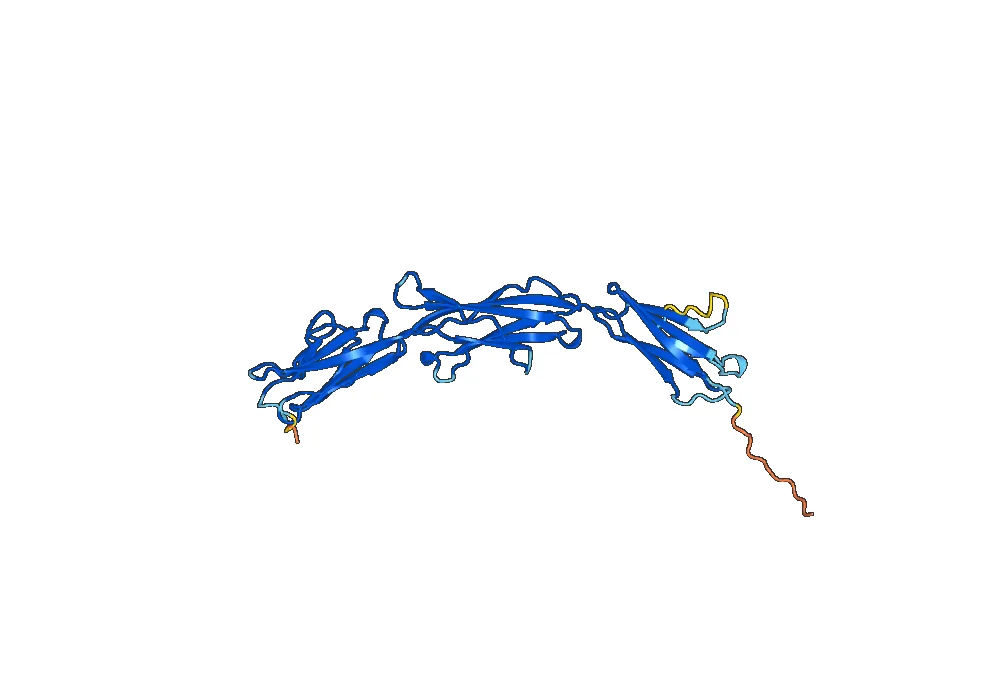
The Recombinant Human CADM3/NECL-1/TSLL1 Protein is a 417 amino acid protein with a molecular weight of approximately 46 kDa. It consists of an extracellular domain, a transmembrane domain, and a cytoplasmic domain. The extracellular domain contains three immunoglobulin-like domains, which are responsible for the protein’s adhesive properties. The transmembrane domain anchors the protein to the cell membrane, while the cytoplasmic domain interacts with intracellular signaling molecules.
Activity of Recombinant Human CADM3/NECL-1/TSLL1 Protein
Recombinant Human CADM3/NECL-1/TSLL1 Protein plays a critical role in cell adhesion and signaling. It functions as a homophilic and heterophilic cell adhesion molecule, meaning it can bind to other CADM3 proteins on the same cell or to other Necl family proteins on neighboring cells. This adhesive activity is crucial for maintaining the integrity of tissues and organs, as well as for cell migration and communication.
In addition to its adhesive properties, Recombinant Human CADM3/NECL-1/TSLL1 Protein also has signaling functions. It interacts with various intracellular signaling molecules, such as the PDZ domain-containing protein AF-6 and the tyrosine kinase c-Src, to regulate cell proliferation and migration. It has also been shown to play a role in the development and function of the nervous system, as well as in immune responses.
Applications of Recombinant Human CADM3/NECL-1/TSLL1 Protein
Due to its important role in cell adhesion and signaling, Recombinant Human CADM3/NECL-1/TSLL1 Protein has a wide range of applications in both research and clinical settings.
1. Research: Recombinant Human CADM3/NECL-1/TSLL1 Protein is commonly used in research to study cell adhesion, migration, and signaling. It can be used in cell culture experiments to investigate its role in various cellular processes. It is also used in protein-protein interaction studies to identify other molecules that interact with CADM3.
2. Cancer: Recombinant Human CADM3/NECL-1/TSLL1 Protein has been identified as a tumor suppressor in lung cancer, and its expression is often reduced or lost in lung cancer cells. It has also been implicated in other types of cancer, such as breast cancer and ovarian cancer. Therefore, it has potential applications in cancer diagnosis, prognosis, and treatment.
3. Neurological disorders: Recombinant Human CADM3/NECL-1/TSLL1 Protein is highly expressed in the nervous system and has been linked to several neurological disorders, including autism, schizophrenia, and Alzheimer’s disease. It is also involved in synapse formation and maintenance, making it a potential therapeutic target for neurological disorders.
4. Immunology: Recombinant Human CADM3/NECL-1/TSLL1 Protein has been shown

There are no reviews yet.