Introduction
Recombinant Human CARM1 Protein, also known as Coactivator-associated arginine methyltransferase 1, is a protein that plays a crucial role in regulating gene expression and protein function through the process of arginine methylation. This protein is encoded by the CARM1 gene and is a member of the protein arginine methyltransferase (PRMT) family. In this article, we will discuss the structure, activity, and application of Recombinant Human CARM1 Protein.
Structure of Recombinant Human CARM1 Protein
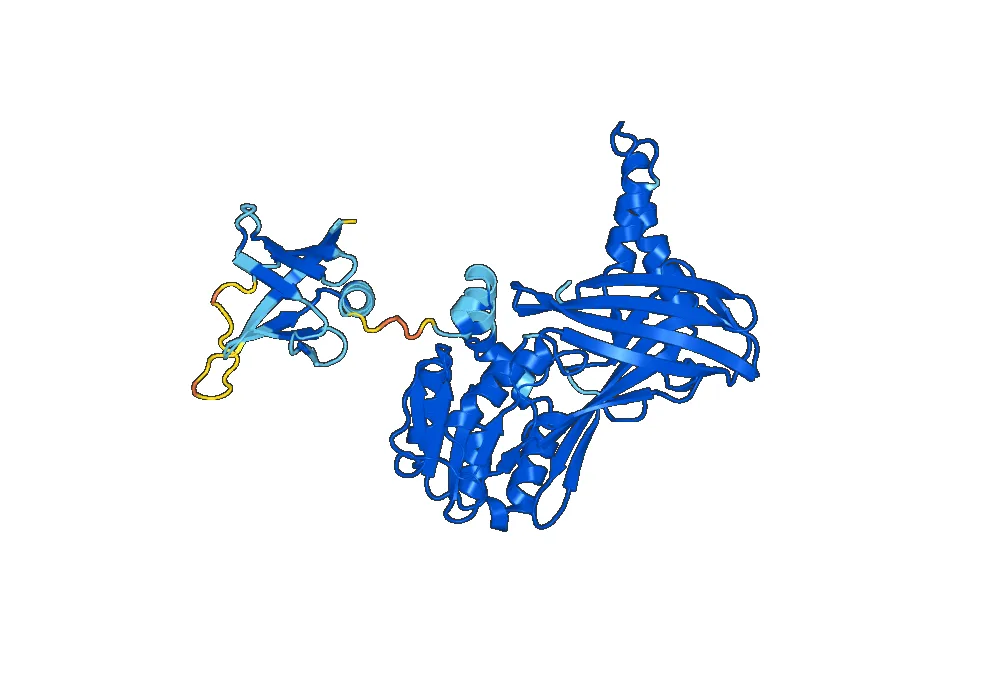
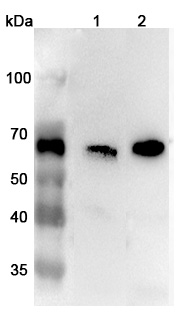
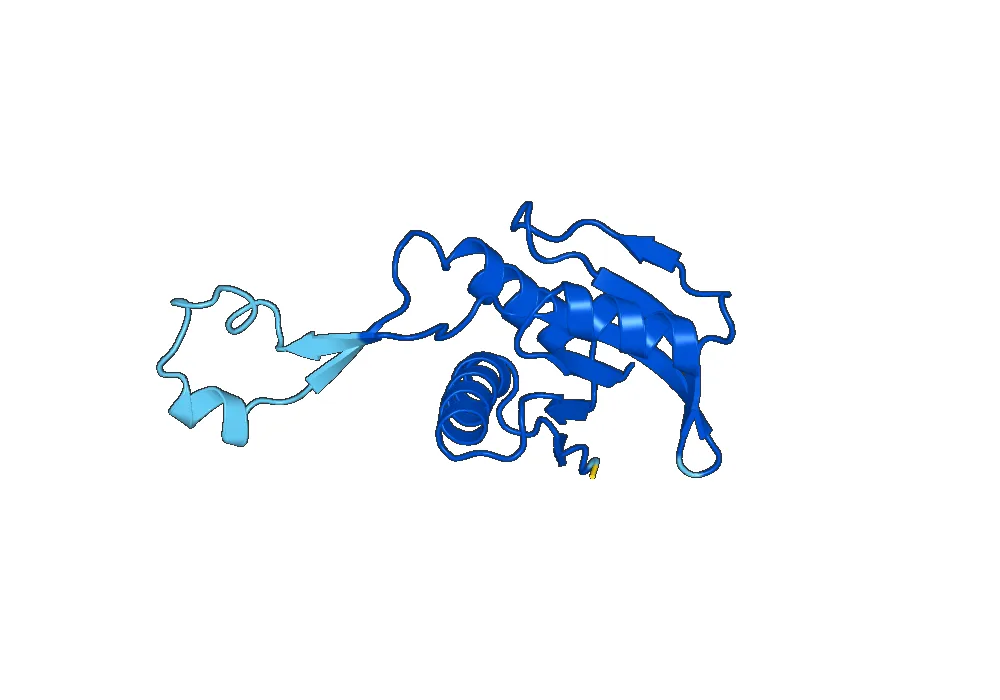
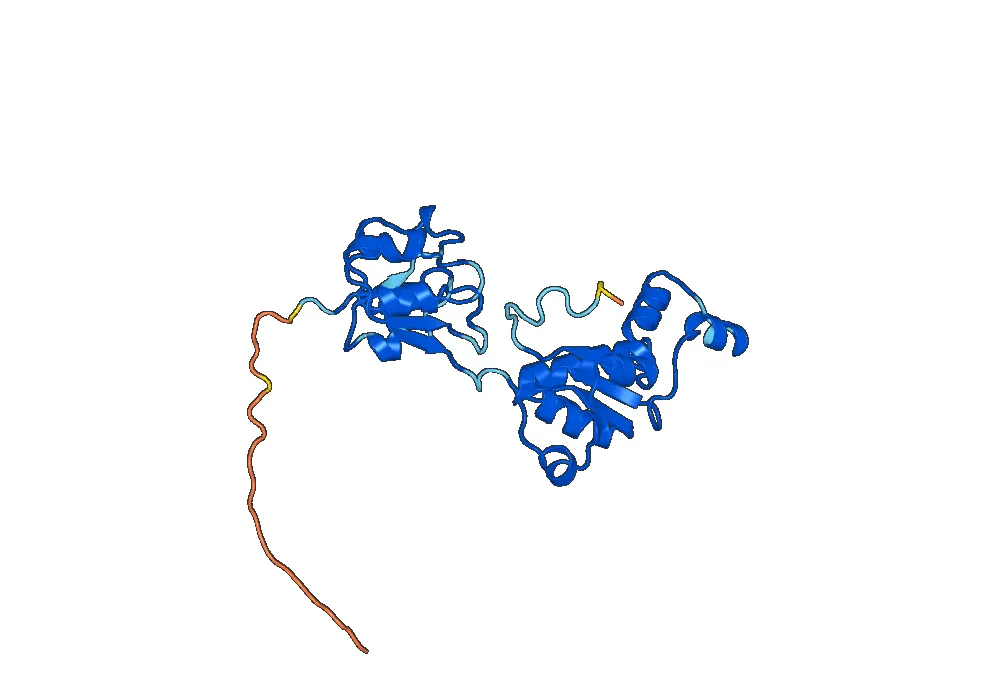
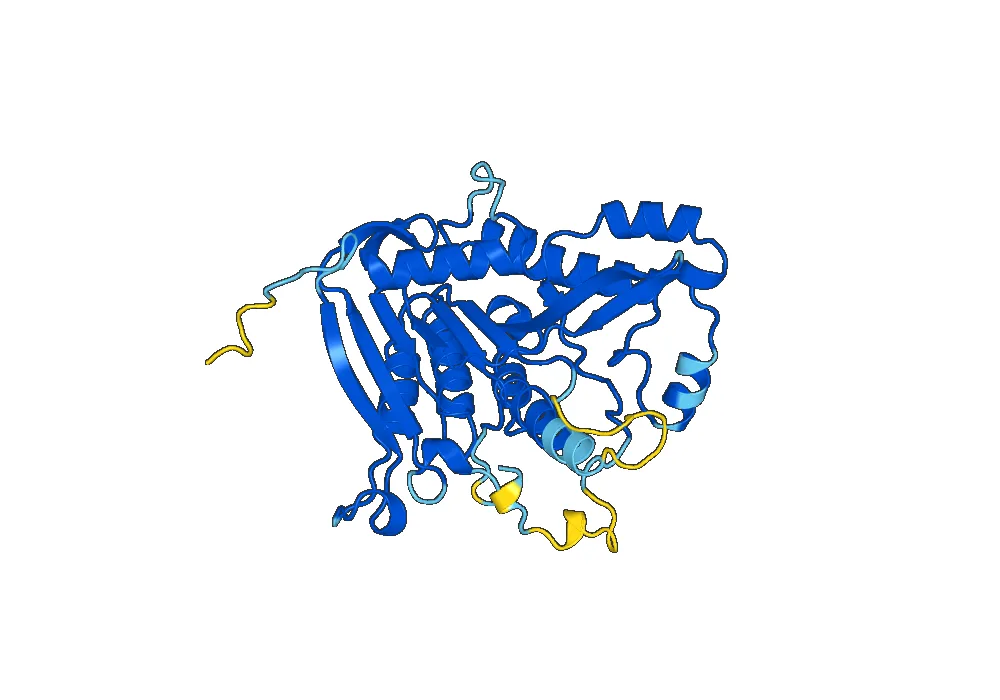
Recombinant Human CARM1 Protein is a 60 kDa protein that consists of 608 amino acids. It contains a catalytic domain, a substrate-binding domain, and a nuclear localization signal. The catalytic domain is responsible for the enzymatic activity of the protein, while the substrate-binding domain is responsible for recognizing and binding to its target proteins. The nuclear localization signal allows the protein to enter the nucleus, where it carries out its function.
Activity of Recombinant Human CARM1 Protein
The main activity of Recombinant Human CARM1 Protein is the methylation of arginine residues on target proteins. This process involves the transfer of a methyl group from S-adenosylmethionine (SAM) to the arginine residue, resulting in the formation of monomethylated or dimethylated arginine. This methylation process can have different effects on the target proteins, such as altering their stability, activity, or interaction with other proteins.
Recombinant Human CARM1 Protein has been shown to methylate a variety of target proteins, including histones, transcription factors, and RNA-binding proteins. By methylating these proteins, CARM1 can regulate gene expression, protein-protein interactions, and RNA processing, ultimately impacting various cellular processes such as cell growth, differentiation, and apoptosis.
Application of Recombinant Human CARM1 Protein
Recombinant Human CARM1 Protein has been widely used in both basic research and drug development. Its ability to methylate a variety of target proteins makes it a valuable tool for studying the role of arginine methylation in different biological processes. For example, researchers have used Recombinant Human CARM1 Protein to study the role of arginine methylation in transcriptional regulation, DNA damage response, and cancer progression.
In addition to its use in basic research, Recombinant Human CARM1 Protein has also been investigated as a potential therapeutic target. Several studies have shown that CARM1 is overexpressed in various types of cancer, including breast, prostate, and lung cancer. This overexpression has been linked to increased tumor growth and drug resistance. Therefore, targeting CARM1 with specific inhibitors could potentially be a promising strategy for cancer treatment.
Furthermore, Recombinant Human CARM1 Protein has been used in the development of diagnostic tools for various diseases. For example, CARM1 has been shown to be a potential biomarker for prostate cancer, and its detection in blood samples could aid in early diagnosis and monitoring of the disease.
Conclusion
In summary, Recombinant Human CARM1 Protein is a 60 kDa protein that plays a crucial role in regulating gene expression and protein function through the process of arginine methylation. Its structure consists of a catalytic domain, a substrate-binding domain, and a nuclear localization signal. Its main activity is the methylation of arginine residues on target proteins, which can have various effects on their function. Recombinant Human CARM1 Protein has been widely used in basic research, drug development, and diagnostic tools for various diseases. Its potential as a therapeutic target makes it a promising protein for future research and clinical applications.


There are no reviews yet.