Introduction to Recombinant Human CAVIN1 Protein
Recombinant Human CAVIN1 Protein, also known as Caveolae-associated protein 1, is a key structural protein that plays a crucial role in the formation and maintenance of caveolae, which are small invaginations on the plasma membrane of cells. This protein is encoded by the CAVIN1 gene and is found in various tissues such as adipose tissue, skeletal muscle, and heart muscle. Recombinant Human CAVIN1 Protein is produced through recombinant DNA technology, making it a valuable tool for scientific research and potential therapeutic applications.
Structure of Recombinant Human CAVIN1 Protein
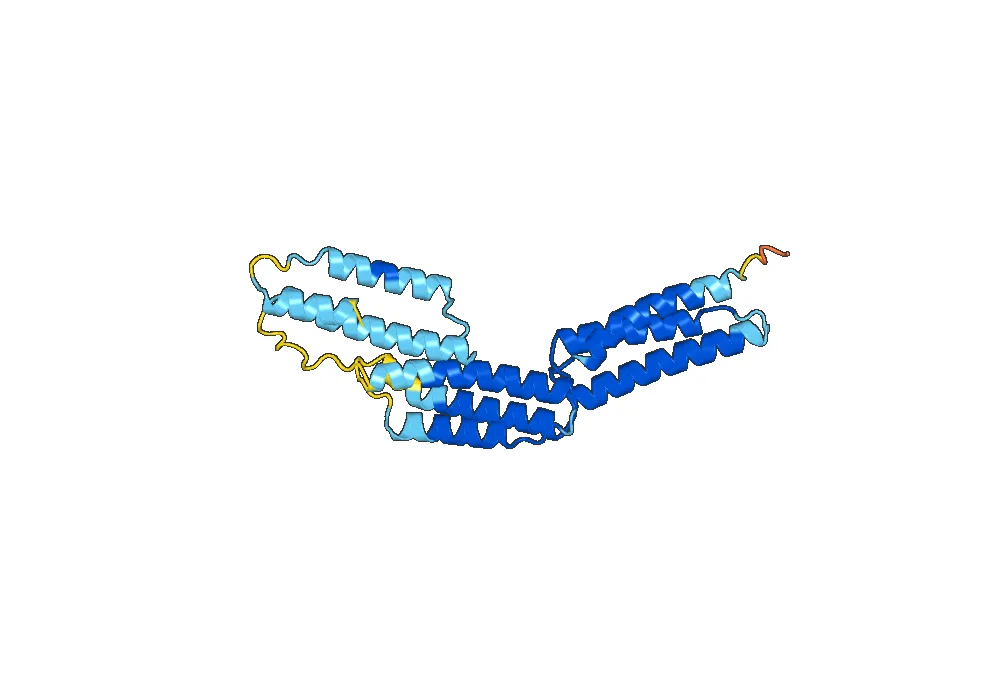
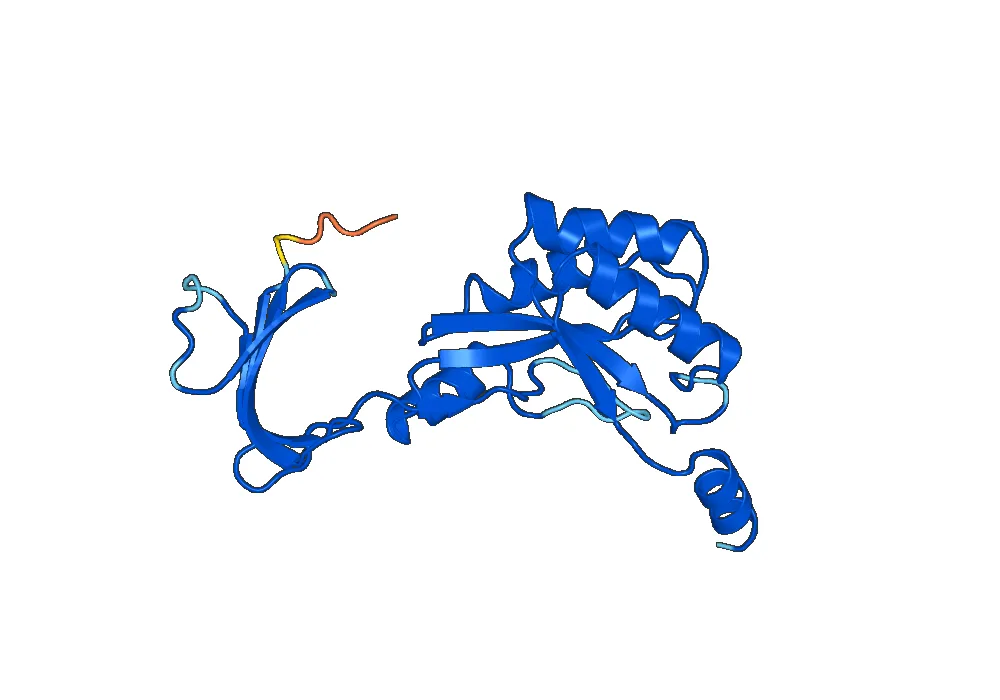
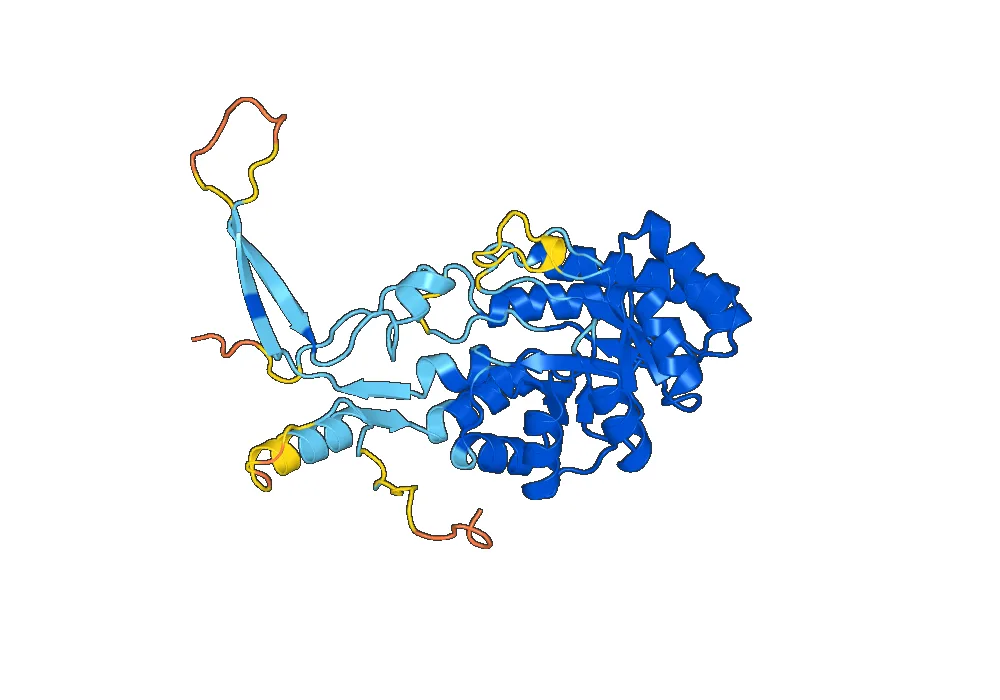
Recombinant Human CAVIN1 Protein is a 45 kDa protein consisting of 399 amino acids. It contains a highly conserved N-terminal caveolin-binding domain (CBD) and a C-terminal coiled-coil domain, both of which are essential for its function. The CBD of CAVIN1 binds to caveolin, a major component of caveolae, and the coiled-coil domain interacts with other CAVIN proteins to form a stable complex that is crucial for caveolae formation.
Studies have shown that the structure of Recombinant Human CAVIN1 Protein is similar to that of other CAVIN proteins found in different species, indicating its evolutionary conservation and importance in cellular function. Additionally, the recombinant form of this protein is highly pure and stable, making it an ideal tool for structural and functional studies.
Activity of Recombinant Human CAVIN1 Protein
The primary function of Recombinant Human CAVIN1 Protein is to regulate the formation and maintenance of caveolae, which are important structures involved in various cellular processes such as signal transduction, endocytosis, and lipid metabolism. This protein is also involved in the regulation of lipid droplet formation and adipocyte differentiation. Studies have shown that CAVIN1-deficient cells exhibit a significant reduction in caveolae formation and impaired lipid metabolism, highlighting the crucial role of this protein in cellular function.
Recombinant Human CAVIN1 Protein has also been shown to interact with other proteins involved in caveolae formation, such as cavin-2, cavin-3, and cavin-4. These interactions are essential for the proper assembly and stability of caveolae. Additionally, studies have demonstrated that Recombinant Human CAVIN1 Protein can also modulate the activity of other signaling pathways, such as the insulin and TGF-β signaling pathways, further emphasizing its role in cellular function.
Application of Recombinant Human CAVIN1 Protein
Recombinant Human CAVIN1 Protein has various potential applications in scientific research and therapeutics. Its ability to regulate caveolae formation and lipid metabolism makes it a valuable tool for studying the role of these processes in different cellular functions and diseases. Additionally, the interaction of Recombinant Human CAVIN1 Protein with other signaling pathways makes it a potential target for therapeutic interventions in diseases such as obesity, diabetes, and cancer.
Moreover, Recombinant Human CAVIN1 Protein can also be used for the development of diagnostic assays for caveolae-related disorders. Its highly specific binding to caveolin and other cavin proteins makes it a potential antigen for the detection of caveolae-related diseases. The recombinant form of this protein also allows for easy production and purification, making it a cost-effective tool for research and diagnostic purposes.
Conclusion
In summary, Recombinant Human CAVIN1 Protein is a key structural protein involved in the formation and maintenance of caveolae, with crucial roles in cellular function and potential therapeutic applications. Its structure, activity, and potential applications make it an important tool for scientific research and the development of diagnostic assays. Further studies on this protein could provide valuable insights into
There are no reviews yet.