Introduction
Recombinant proteins are proteins that are produced through genetic engineering techniques, where specific genes are inserted into host cells to produce large quantities of a desired protein. One such protein is Recombinant Human CC2D1A, which has gained significant attention in the field of biotechnology due to its unique structure, diverse functions, and potential applications.
Structure of Recombinant Human CC2D1A
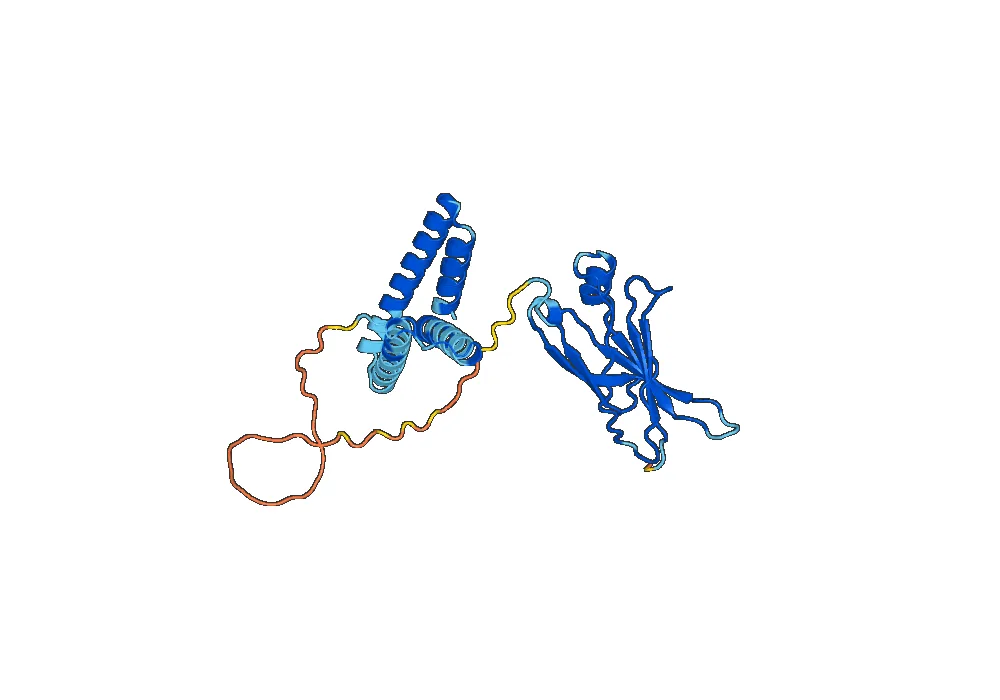
Recombinant Human CC2D1A is a 150 kDa protein that belongs to the CC2D1 family of proteins. It is composed of 1315 amino acids and is encoded by the CC2D1A gene located on chromosome 19 in humans. The protein consists of several domains, including a coiled-coil domain, a sterile alpha motif (SAM) domain, and a C-terminal domain. These domains play a crucial role in the protein’s structure and function.
Activity of Recombinant Human CC2D1A
Recombinant Human CC2D1A is a multifunctional protein that is involved in various cellular processes. It is primarily known for its role in the regulation of cell growth and differentiation. The protein has been shown to interact with several signaling pathways, including the Wnt and Notch pathways, and modulate their activity. Additionally, Recombinant Human CC2D1A has been found to regulate gene expression, cell cycle progression, and apoptosis.
Studies have also demonstrated the involvement of Recombinant Human CC2D1A in the immune response. It has been shown to act as an adaptor protein in the T-cell receptor signaling pathway, thereby regulating T-cell activation and proliferation. Moreover, Recombinant Human CC2D1A has been linked to neurological disorders, as it plays a crucial role in synaptic function and plasticity.
Application of Recombinant Human CC2D1A
The unique structure and diverse functions of Recombinant Human CC2D1A make it a promising candidate for various biotechnological applications. The protein has been extensively studied for its potential use in cancer therapy. It has been shown to inhibit tumor growth in several types of cancer, including breast, lung, and colon cancer. Recombinant Human CC2D1A has also been investigated for its role in stem cell differentiation, with promising results in promoting neuronal differentiation.
Furthermore, Recombinant Human CC2D1A has been used as an antigen in diagnostic assays for various diseases. Antibodies against the protein have been developed and used in ELISA and Western blotting techniques to detect its presence in biological samples. This has proven to be a valuable tool in the diagnosis and monitoring of diseases associated with Recombinant Human CC2D1A, such as cancer and neurological disorders.
In addition to its therapeutic and diagnostic applications, Recombinant Human CC2D1A has also been studied for its potential use in biotechnology. The protein has been successfully expressed in various host systems, including bacteria, yeast, and mammalian cells, and can be produced in large quantities. This makes it a valuable tool for protein-protein interaction studies, as well as for the production of recombinant antibodies and other therapeutic proteins.
Conclusion
In conclusion, Recombinant Human CC2D1A is a unique and versatile protein with a wide range of functions and potential applications. Its structure, activity, and involvement in various cellular processes make it a promising candidate for cancer therapy, stem cell differentiation, and diagnostic assays. With further research and development, Recombinant Human CC2D1A has the potential to revolutionize the field of biotechnology and contribute to the advancement of human health.


There are no reviews yet.