Introduction
Recombinant Human CD141/THBD protein, also known as Thrombomodulin (THBD), is a glycoprotein that plays a crucial role in the regulation of blood coagulation and inflammation. It is encoded by the THBD gene and is primarily expressed in endothelial cells, which line the inner surface of blood vessels. Recombinant Human CD141/THBD protein is produced through recombinant DNA technology, making it a valuable tool for research and therapeutic applications.
Structure of Recombinant Human CD141/THBD Protein
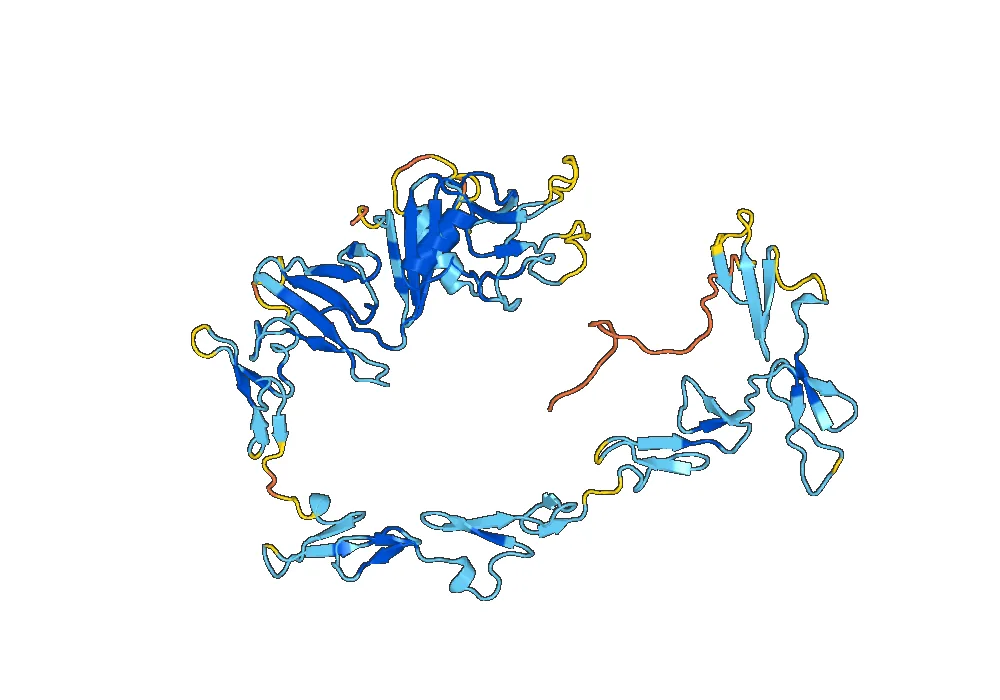
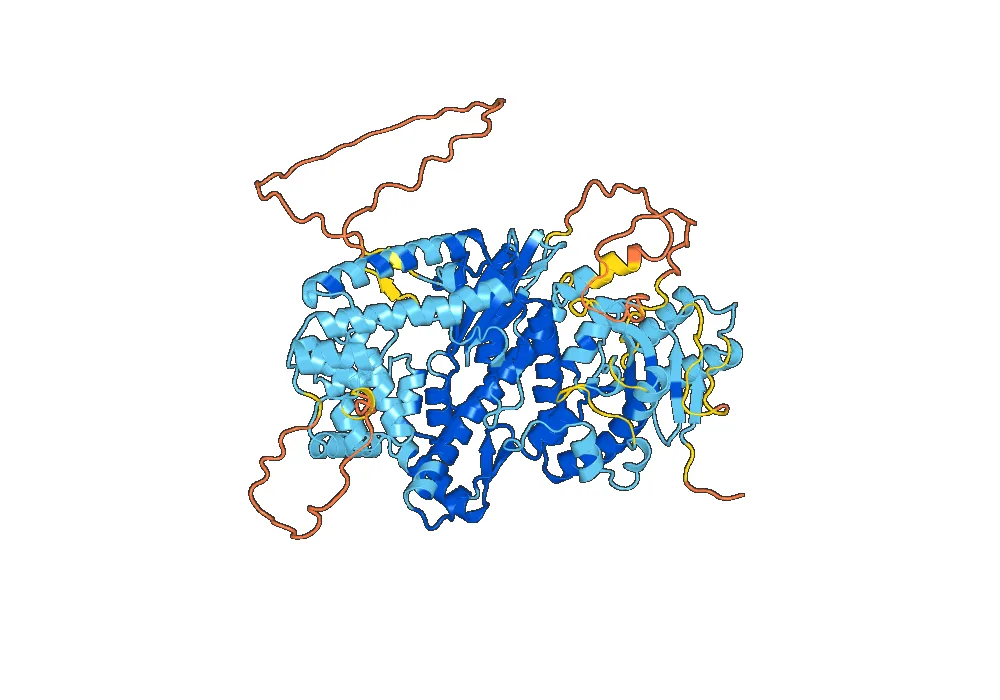
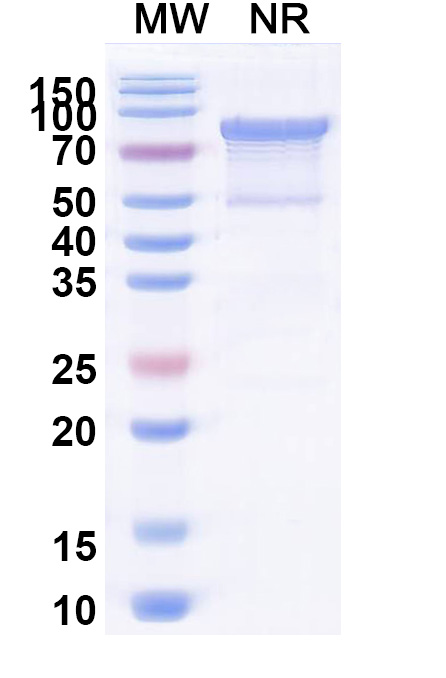
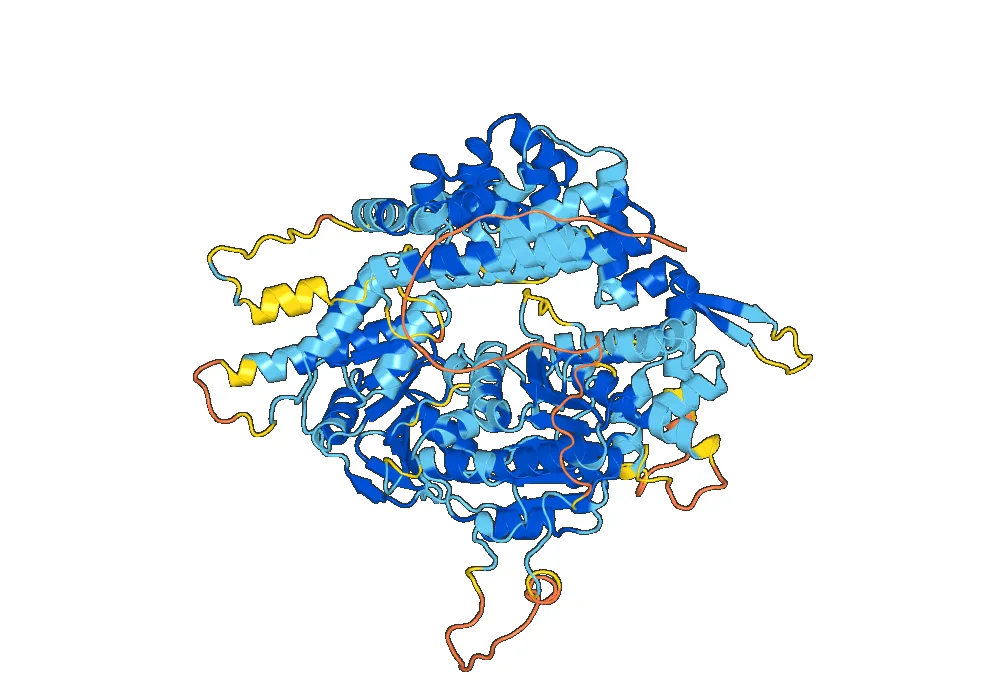
Recombinant Human CD141/THBD protein is composed of 557 amino acids and has a molecular weight of approximately 74 kDa. It consists of five domains: an N-terminal lectin-like domain, six epidermal growth factor (EGF)-like domains, a serine/threonine-rich domain, a transmembrane domain, and a C-terminal cytoplasmic domain. The lectin-like domain is responsible for binding to carbohydrates, while the EGF-like domains are involved in protein-protein interactions. The serine/threonine-rich domain contains multiple sites for post-translational modifications, such as glycosylation and phosphorylation, which are important for the protein’s function.
Activity of Recombinant Human CD141/THBD Protein
The primary function of Recombinant Human CD141/THBD protein is to regulate blood coagulation. It acts as a cofactor for thrombin, a key enzyme in the coagulation cascade, by binding to it and altering its substrate specificity. This results in the conversion of protein C to activated protein C, which inhibits coagulation by inactivating factors Va and VIIIa. Recombinant Human CD141/THBD protein also plays a role in the fibrinolytic system by binding to and activating plasminogen, which breaks down blood clots.
In addition to its role in coagulation, Recombinant Human CD141/THBD protein has anti-inflammatory properties. It inhibits the adhesion of leukocytes to endothelial cells, preventing their migration into tissues and reducing inflammation. It also has a protective effect on endothelial cells, promoting their survival and preventing damage from inflammatory processes.
Application of Recombinant Human CD141/THBD Protein
Recombinant Human CD141/THBD protein has various research and therapeutic applications due to its diverse functions. In research, it is used as a tool to study the coagulation and fibrinolytic systems, as well as the role of inflammation in various diseases. It can also be used to investigate the effects of post-translational modifications on protein function.
In a therapeutic setting, Recombinant Human CD141/THBD protein has been used as a treatment for sepsis, a life-threatening condition caused by an overwhelming immune response to infection. It has also been investigated as a potential therapy for other inflammatory diseases, such as acute lung injury and acute respiratory distress syndrome.
Furthermore, Recombinant Human CD141/THBD protein has been studied as a potential biomarker for various diseases, including cardiovascular diseases, cancer, and autoimmune disorders. Its levels in the blood have been correlated with disease severity and progression, making it a promising candidate for diagnostic purposes.
Conclusion
In summary, Recombinant Human CD141/THBD protein is a multifunctional glycoprotein that plays a crucial role in regulating blood coagulation and inflammation. Its structure, activity, and diverse applications make it a valuable tool for research and a potential therapeutic agent for various diseases. Further studies on this protein may lead to a better understanding of its functions and potential for clinical use.
There are no reviews yet.