Introduction
Recombinant Human CD156b/ADAM17 is a protein that plays a crucial role in cell signaling and is involved in various physiological and pathological processes. This article will provide a comprehensive description of the structure, activity, and applications of this recombinant protein.
Structure of Recombinant Human CD156b/ADAM17
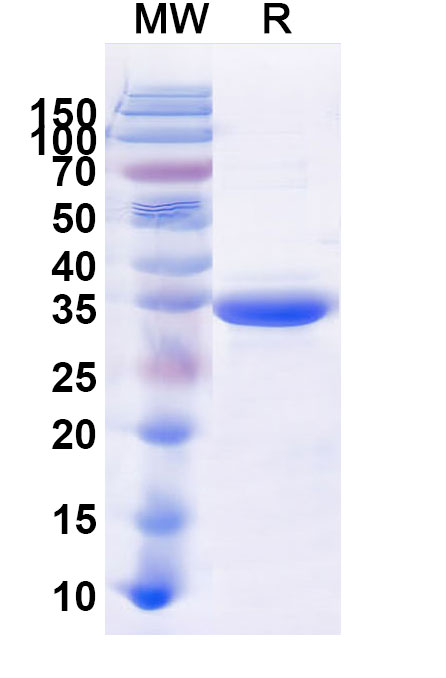
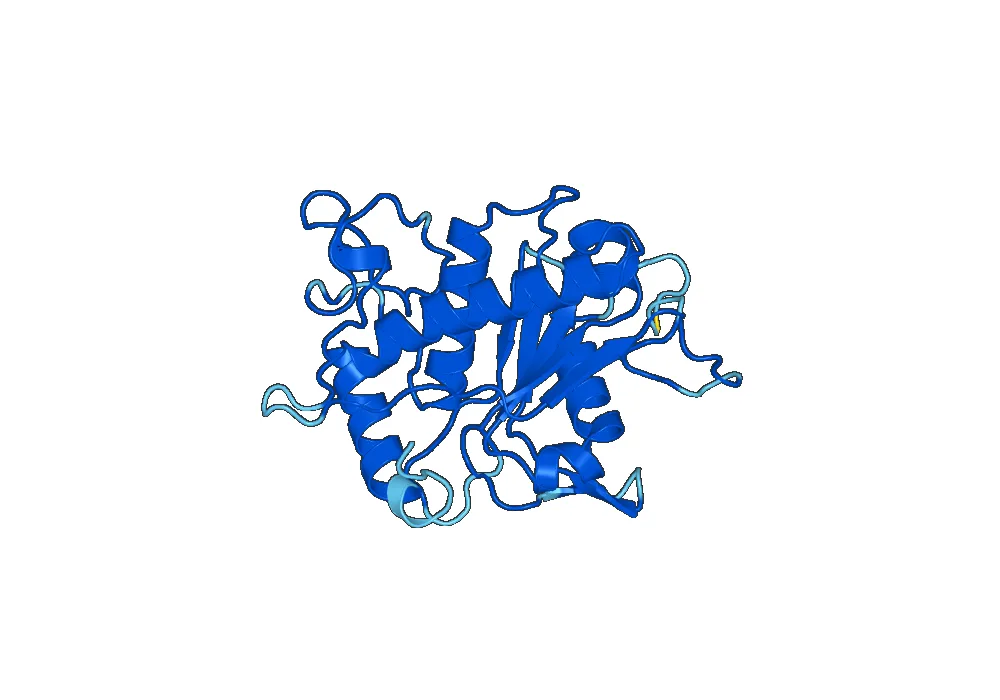
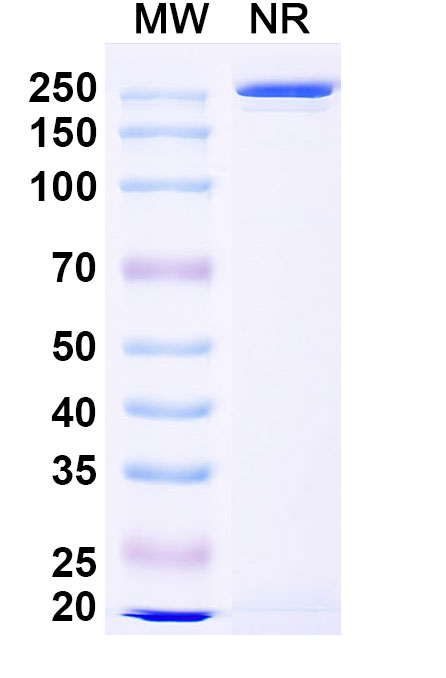
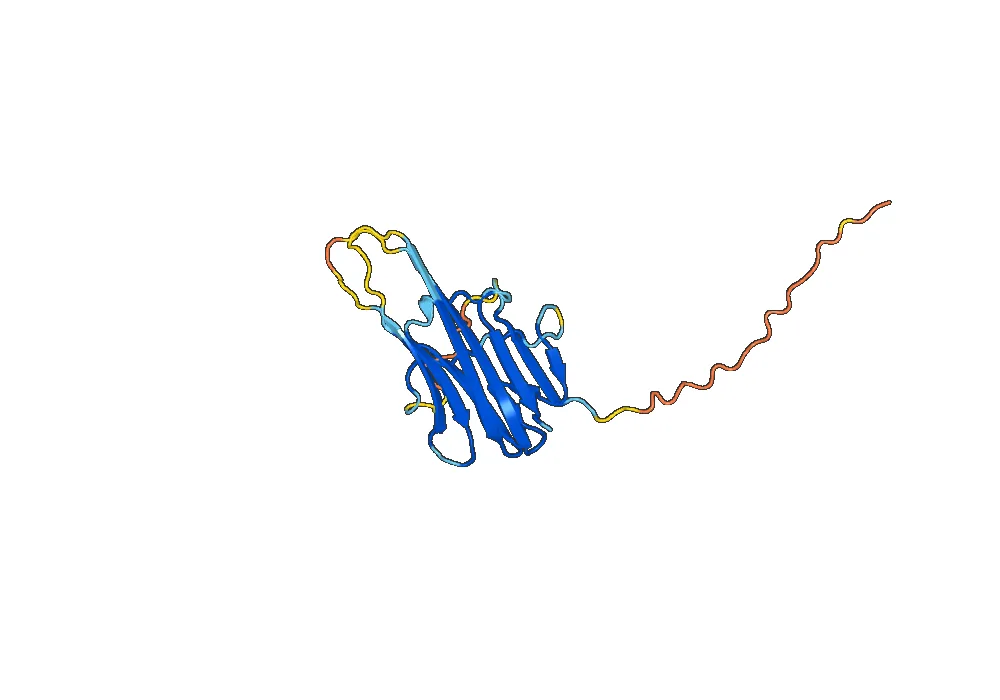
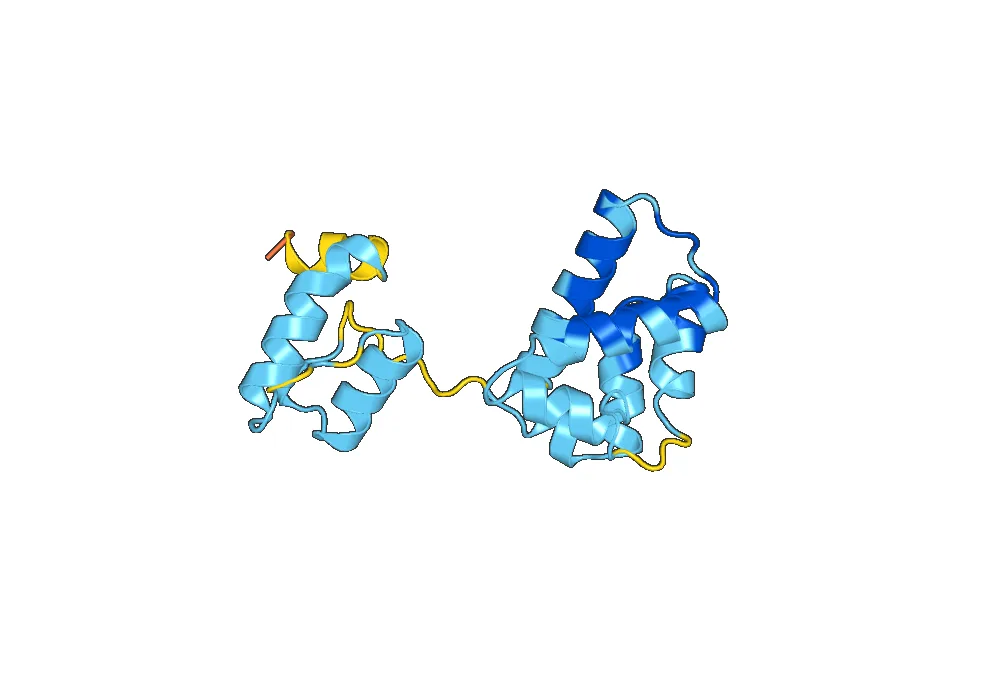
Recombinant Human CD156b/ADAM17 is a type I transmembrane protein that belongs to the ADAM (A Disintegrin And Metalloproteinase) family. It is also known as tumor necrosis factor-alpha converting enzyme (TACE) due to its ability to cleave and release the pro-inflammatory cytokine TNF-α from the cell surface. The protein is composed of several distinct domains, including a pro-domain, a metalloprotease domain, a disintegrin domain, a cysteine-rich domain, an epidermal growth factor-like domain, and a transmembrane domain.
Activity of Recombinant Human CD156b/ADAM17
Recombinant Human CD156b/ADAM17 has multiple functions in various cellular processes. Its main activity is the cleavage of membrane-bound proteins, also known as shedding. This process is crucial for the regulation of cell signaling, as it allows the release of soluble forms of membrane-bound proteins, including growth factors, cytokines, receptors, and adhesion molecules. CD156b/ADAM17 is involved in the shedding of numerous substrates, such as TNF-α, TNF receptors, transforming growth factor-alpha (TGF-α), epidermal growth factor (EGF), and Notch ligands.
In addition to shedding, CD156b/ADAM17 also has proteolytic activity, which is essential for the processing and activation of certain proteins. For example, it cleaves and activates the precursor forms of TNF-α and TGF-α, which are inactive until they are released from the cell surface. This proteolytic activity is also involved in the activation of various signaling pathways, including the EGFR/ERK pathway, which plays a crucial role in cell proliferation and survival.
Applications of Recombinant Human CD156b/ADAM17
The unique structure and activity of Recombinant Human CD156b/ADAM17 make it a valuable tool for various research and therapeutic applications. One of its main applications is in the study of cell signaling and its role in disease processes. CD156b/ADAM17 is involved in various pathological conditions, including inflammation, cancer, and neurodegenerative diseases. Therefore, understanding its activity and regulation can provide valuable insights into the underlying mechanisms of these diseases.
Moreover, CD156b/ADAM17 has potential therapeutic applications due to its ability to regulate cell signaling. Inhibitors of CD156b/ADAM17 have been developed and are currently being investigated for their potential use in the treatment of inflammatory diseases, such as rheumatoid arthritis and psoriasis. In addition, CD156b/ADAM17 inhibitors have shown promising results in preclinical studies for the treatment of cancer, as they can block the activation of signaling pathways involved in tumor growth and metastasis.
Furthermore, the shedding activity of CD156b/ADAM17 has been exploited for the development of diagnostic tools. Soluble forms of membrane-bound proteins, released by CD156b/ADAM17, can be detected in body fluids and used as biomarkers for various diseases. For example, elevated levels of soluble TNF receptors have been associated with inflammatory conditions, and measuring their levels can aid in the diagnosis and monitoring of these diseases.
Conclusion
In summary, Recombinant Human CD156b/ADAM17 is a multifunctional protein with a crucial role in cell signaling and disease processes. Its unique structure and activity make it a valuable tool for research and therapeutic applications. Further studies on this protein can provide a better understanding of its functions and potential for the development of novel treatments for various diseases.


There are no reviews yet.